5 takeaways:
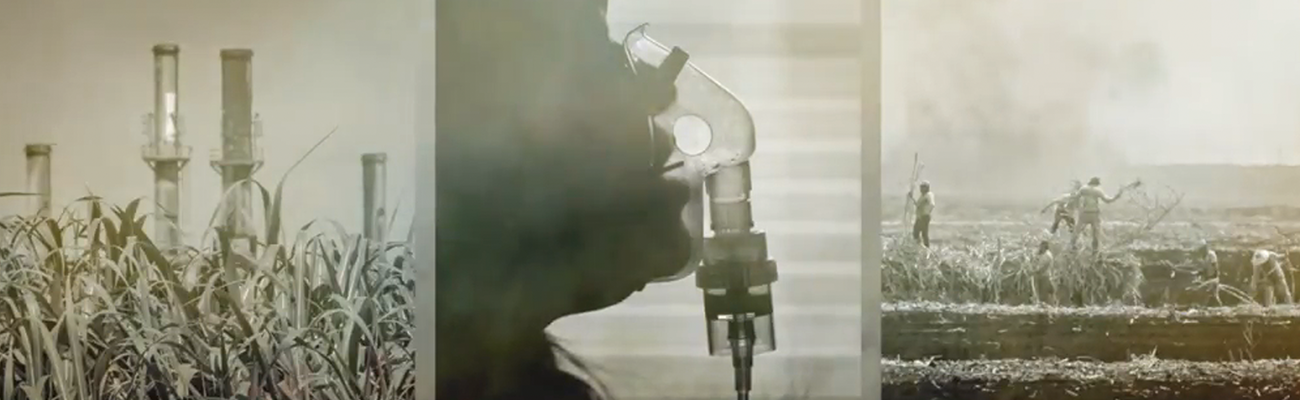
➀ Carefully analyze mixed signals. For years, some Palm Beach County, Florida residents complained of health problems related to the burning of sugar cane fields, said Lulu Ramadan, the former Palm Beach Post investigative reporter now working for the Seattle Times. Sugar cane companies insisted that because the government hadn’t fined them, those burns weren’t affecting air quality. But after a class-action lawsuit was filed, some reporting revealed that the only government air monitor in the region was malfunctioning. “Sometimes the EPA will flag monitors because they’re not producing accurate readouts and they’ll remove them from an official list which means they can’t be used to hold polluters accountable when they violate the Clean Air Act,” Ramadan told NPF Widening the Pipeline fellows. [Transcript | Video]
➁ Get help in identifying the kind of data you need. After partnering with ProPublica, Ramadan says journalists relied on scientists and public health researchers to decide how to collect data for the “Black Snow” investigative reporting project. They opted for “Purple Air” sensors, the most accurate of the low-cost sensors on the market, used by the EPA in rural areas and tribal communities where there is no federal air monitoring.
➂ Respect the community you’re investigating. Ramadan says the early stage of the project primarily was spent building connections with members of the community most affected by the clouds of smoke. “There was a lot of trust-building that needed to happen…” she said. “We couldn’t swoop in and do exactly what had been done to this community time and time again, which is people come in, get a sound bite and leave.”
➃ Use all the data collection methods you can find. Text bots helped Ramadan’s team collect real-time information from people living in areas affected by sugar cane smoke. “We did phone banking, we went out into the community, and we consulted with our experts, set up our Purple Air sensors, we collected data, we wrote and edited and rewrote and re-edited. But we really relied on people in the community to tell us when burns were happening, when they were bad burns, when they were really impacting the community, when they were happening close to schools, close to daycares, close to the hospital.”
➄ Make sure your data is bulletproof by sharing your methodology with experts in advance. Earning the trust of your expert researchers is also crucial. “They were so excited about the project that they wanted to act as informal advisors,” Ramadan says. She shot cellphone photos to make sure she placed the sensors properly, and once the data was collected and analyzed the team ran their findings past the advisors months before publication. This helped them prepare for having their findings dismissed as being non-scientific. “We had our academics come out and say, ‘Well actually, they didn’t come up with this methodology. We did. This is methodology that we use and that the EPA uses.’”
The Widening the Pipeline Fellowship is sponsored by the Evelyn Y. Davis Foundation, Bayer, J&J and Twitter. NPF is solely responsible for the content.