5 takeaways:
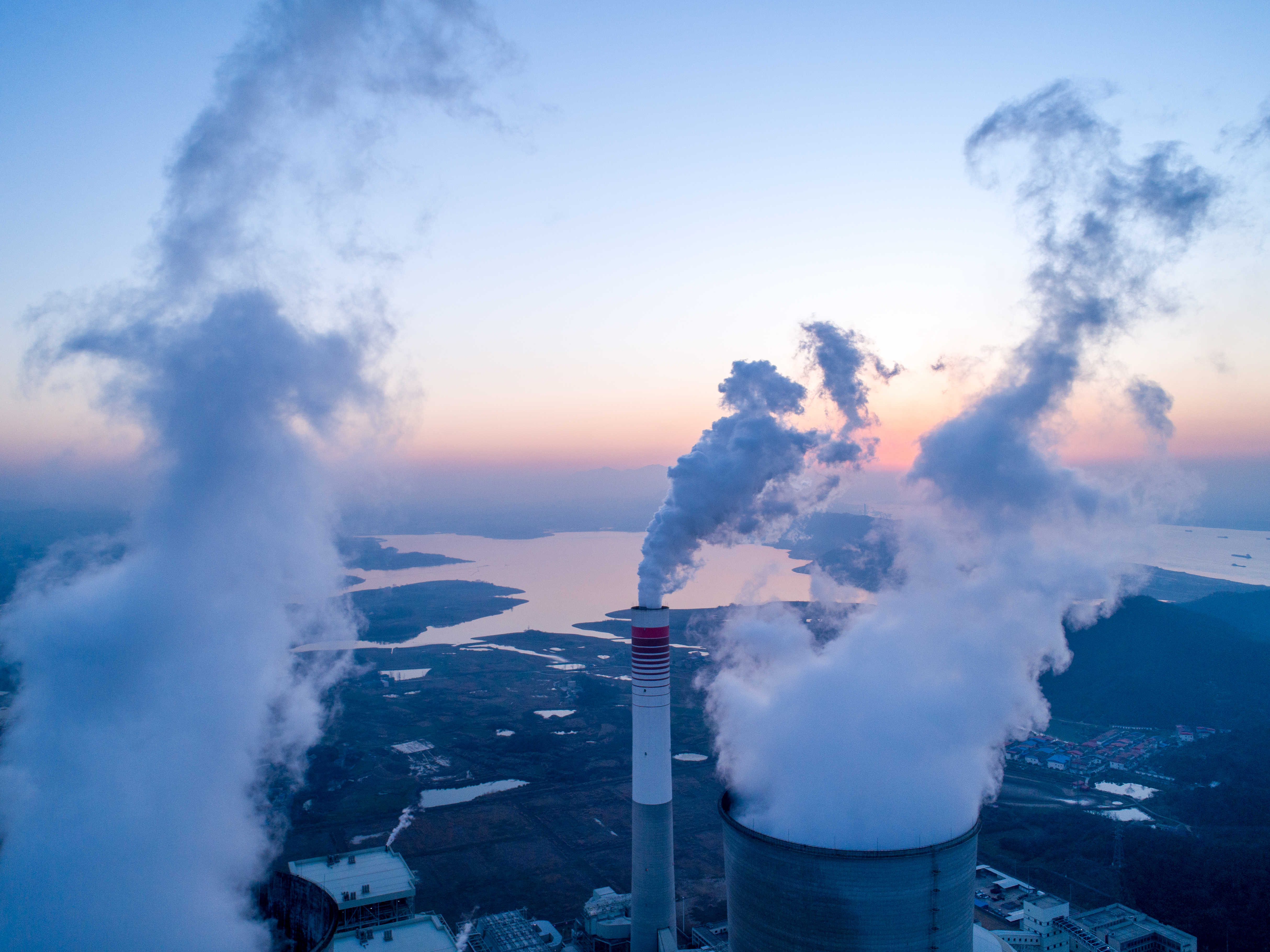
➀ Carbon emissions are still growing. The nations that are part of the U.N. Framework Convention on Climate Change so far have not reduced carbon emissions to levels necessary to keep the planet from overheating. The week before negotiators descended on Glasgow, Scotland, for the 26th UN Climate Change Conference of the Parties, the U.N.’s “Emissions Gap Report 2021” concluded that countries are not making substantial progress on the promises they made in Paris in 2015. The report concluded that “global carbon dioxide emissions are bouncing back to pre-COVID levels, and concentrations of GHGs in the atmosphere continue to rise.” Daniel Quiggin, a senior research fellow in the Environment and Society Programme at the U.K.-based think tank Chatham House, said, “We’re way, way, way off target.” Above all else, that should be the focus of reporters covering the conference, he said.
➁ COP can be covered from afar. Neela Banerjee, the supervising climate editor for NPR, has never covered a COP climate conference in person but finds plenty of ways to do it from a distance. “No single reporter or team of reporters can get their arms around it,” she said. “But the main thing is to identify the big issues going in.” Chief among those is the fact that the world is falling short in reducing its emissions and that there will be a push to offer more ambitious goals going forward. A second key issue, she said, is the severe effects of climate change on people from developing nations. Reporters should seek out those voices, she said. “If you’re doing this remotely, you’re probably getting tons of emails from all sorts of organizations. Take them up on it. Especially try to find people who are from developing nations who are going to be feeling the disproportionate effects of climate change.”
➂ Reporters – even those new to the beat – have plenty of resources. Banerjee’s organization makes available its “NPR’s Climate Guide,” a tip sheet for journalists, compiled by its editors. Climate Science Rapid Response Team is a match-making service that will connect climate scientists with lawmakers and reporters. The Climate Communication/SciLine Quick Facts offers a collection of resources on climate change, extreme weather-related events and their effect on society. Say you’re a reporter on deadline covering flooding in your hometown. SciLine is one way to quickly get up to speed on whether and why climate change is a culprit. “All you need is a line or two in there putting this in the context of climate change,” Banerjee said. “Very often people don’t know how to do that.”
➃ Be careful of framing the issue in ways that understate the reality of climate change. Michael Grunwald, a veteran journalist and author, lives in Miami and said that every couple of months journalists pop into town to do a climate change story and find some isolated flooding to illustrate it. He understands their impulse, but it fails to convey the magnitude of the threat. “The reason Miami is important is because … we might drown if we don’t do stuff,” Grunwald said. “But they come and show that there’s some puddles in the Whole Foods parking lot. And they say, ‘See, climate change is a disaster.’ And I think people naturally say, ‘If that’s the disaster of climate change, it doesn’t really look that bad.’” Grunwald said reporters need to help poke through he said/she said debates. “One thing journalists are pretty good at is distinguishing the rhetoric from the reality,” he said. “And climate is an area where there are these gigantic gaps.”
➄ Negotiators are constrained in what they cover, so some topics – such as the growing use of biomass for energy – aren’t directly on the COP26 agenda. Nevertheless, environmental groups will try to focus attention on the growing use of biomass – such as wood pellets – for energy production, disputing the current EU practice that considers it carbon neutral. While that carbon accounting practice is coming under increasing scrutiny, it’s not likely to be part of the Glasgow negotiations, said Mary S. Booth, director of the Partnership for Policy Integrity. “This is all baked in and done, and the discussions about how this accounting is done are in a totally different venue. … So to the extent that bioenergy … is discussed at COP, my sense is that it’ll be in the periphery – like the side events and the discussions with negotiators that are happening outside the actual negotiations themselves.” Instead, negotiators are scheduled to focus on the Paris agreement’s “Article Six,” which deals with carbon trading mechanisms. (A briefing on that topic is here.)
Speakers:
Neela Banerjee, Supervising Climate Editor, NPR
Mary S. Booth, Director, Partnership for Policy Integrity
Michael Grunwald, Author and Journalist
Daniel Quiggin, Senior Research Fellow, Environment and Society Programme, Chatham House
This program was funded by the David and Lucile Packard Foundation. NPF is solely responsible for the content.