5 takeaways:
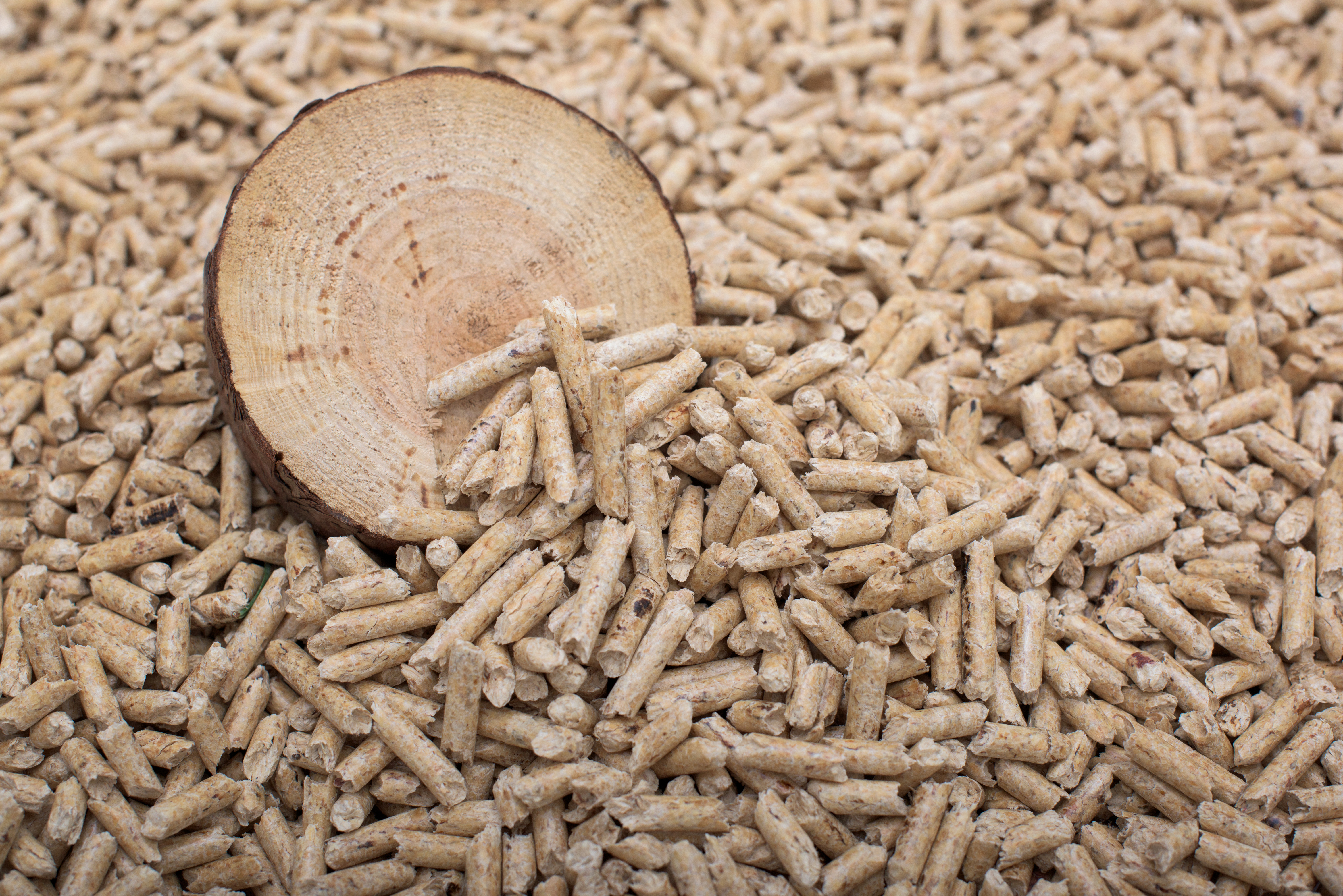
➀ Wood pellet industry brings better-paying jobs—along with pollution and hazards. The plants are located in low-income communities where a bigger paycheck typically trumps concerns about health or environmental hazards, said Sherri White-Williamson, environmental justice policy director, North Carolina Conservation Network. But the plants have been fined for violating air-quality rules, and the effects of air pollution on workers and neighbors, the ability of local authorities to respond to accidents, and the continuing deforestation go unaddressed, she said. “If you get a job that’s paying you $11, $12, $15 an hour, that’s considered excellent employment around here,” she said. “But then the community is recognizing that they’re seeing a lot more death and disease.”
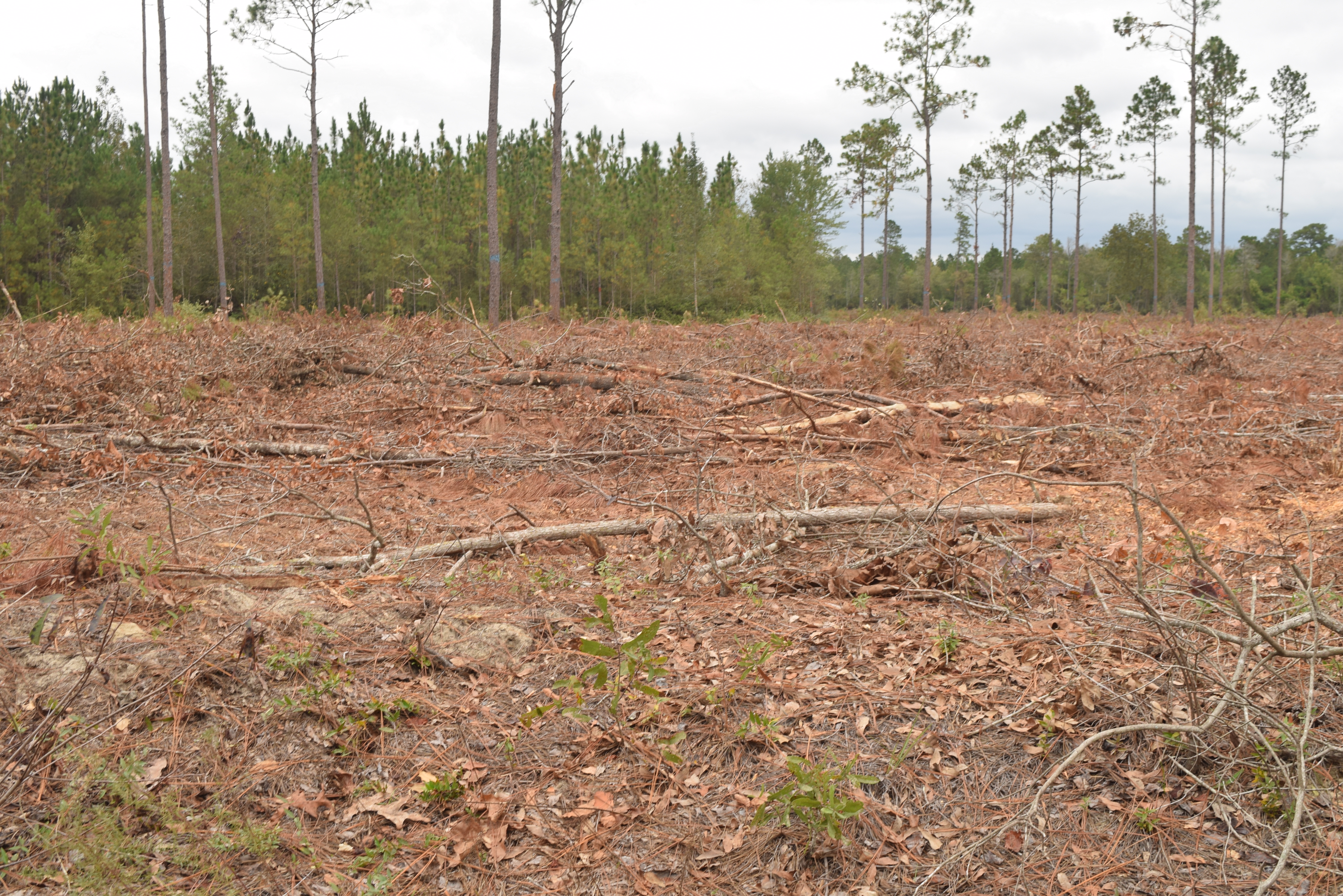
➁ North Carolina’s own energy plan does not consider wood biomass to be clean energy. The local utility, Duke Energy, changed its mind a decade ago about burning wood instead of coal to meet the state’s clean-energy mandate, said Derb Carter Jr., attorney for the Southern Environmental Law Center. Eventually, they concluded that there was not enough residual wood product from tree limbs and other bio “waste” and opted for solar energy instead. “The next word we got from northeast North Carolina is big clear cuts in the swamp, whole trees being processed at this wood pellet mill,” Carter said. “So we went down and investigated that with some of the organizations we worked with, verified that was what was going on. And in fact, the primary emphasis then, as it is now, is utilizing whole trees to supply the biomass.”
➂ A “perverse” carbon accounting rule makes it desirable to burn U.S. wood in the U.K. and Europe, where the carbon doesn’t count. “When the burning occurs in the U.K. and Europe, and the harvesting occurs over here, what you get is this perverse accounting,” Carter explained. When a plant converts from wood to coal, the carbon emissions from the coal are eliminated from the nation’s carbon ledger, but the carbon emissions from the cutting, processing and shipping of the wood in the United States are not counted. “When they flip the switch and go to wood, it’s zero.”
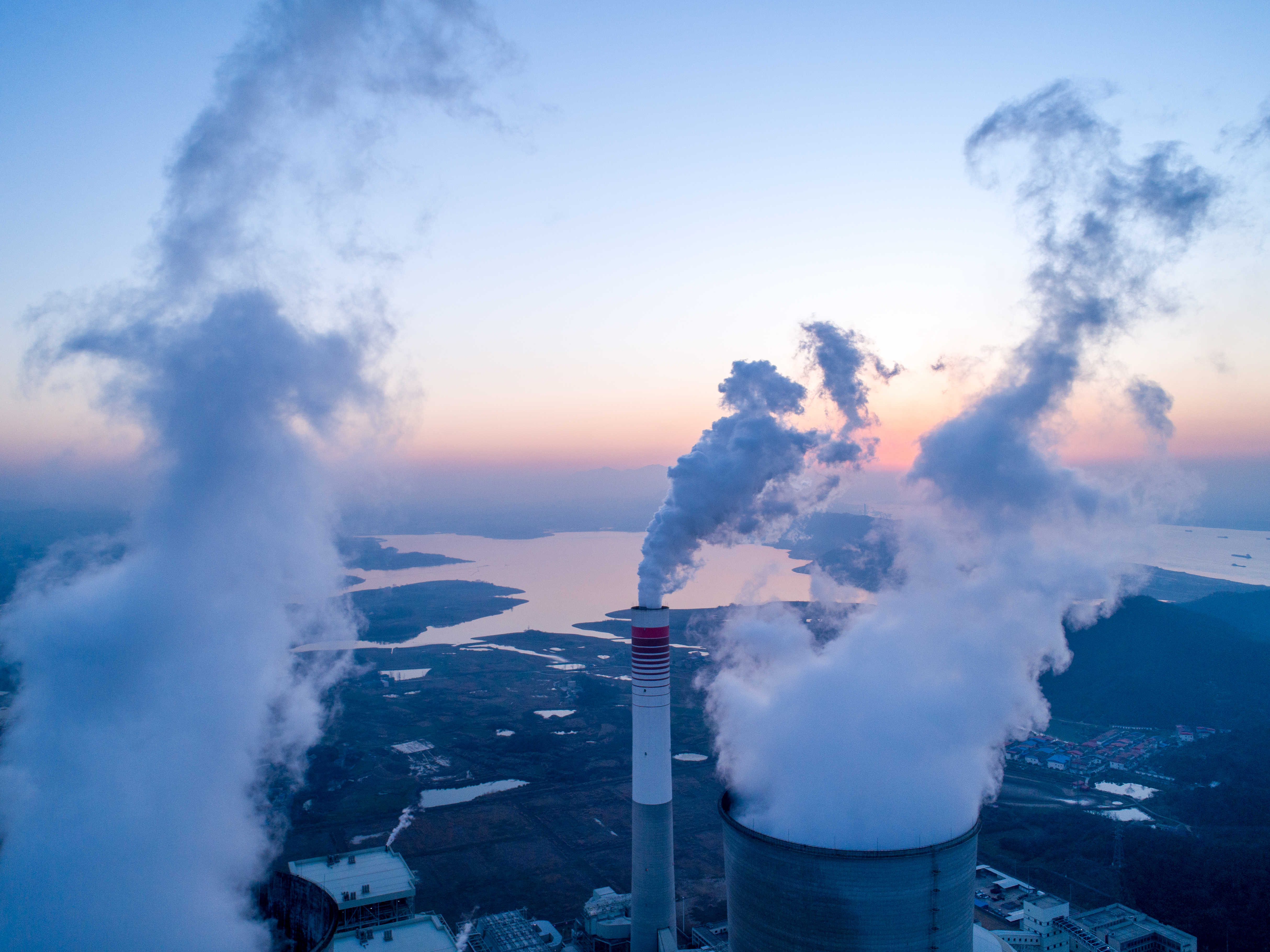
➃ The U.K.’s Drax electricity plant, powered by U.S. wood, is the largest biomass burner in the world. The plant converted from coal to wood but was still responsible for 13 million to 16 million tons of carbon emissions in 2019, according to a report from Chatham House, a British research institute. This makes it less likely that the U.K. will achieve its climate targets, the report concluded. “Drax is getting subsidized by the UK at a billion dollars a year to burn wood pellets…” Carter said. “That money could be going to solar, and wind, and other sources that are truly renewable and would enable us to make actual progress in terms of reducing climate change.”
➄ North Carolina was a biodiversity hotspot, but deforestation is taking a toll. “This region, the south Atlantic coastal plain was recently added as a world biodiversity hotspot,” meaning it has at least 1,500 plant species found only in that region, Carter said. But it has lost 85% of its original natural forest. Europeans, who are accustomed to logging being done by permit only, are often unaware that there are no rules preventing logging on private land in the United States.
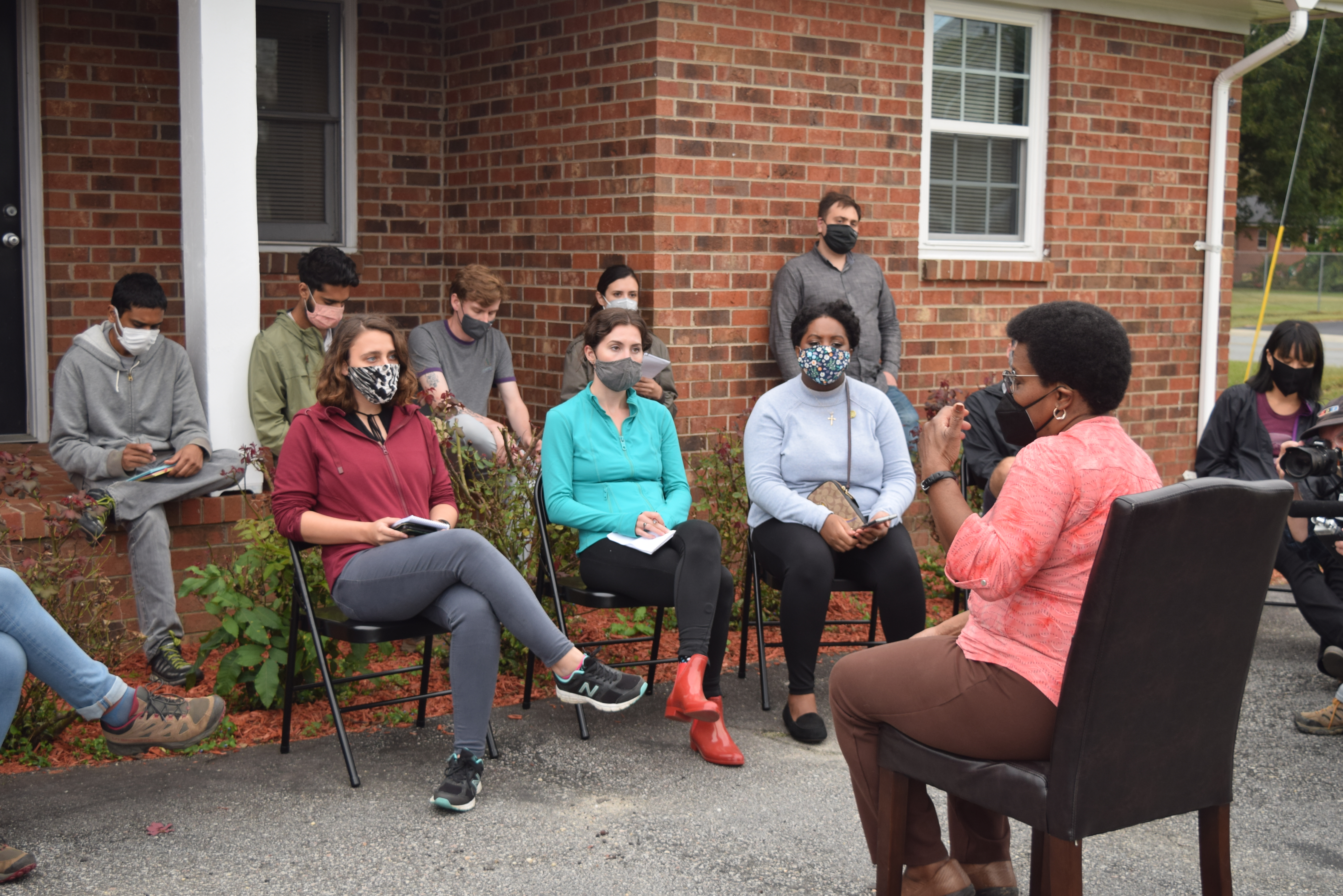
Speakers:
Derb S. Carter Jr., Senior Advisor and Attorney, Southern Environmental Law Center
Sherri White-Williamson, Environmental Justice Policy Director, North Carolina Conservation Network
This program was funded by the David and Lucile Packard Foundation. NPF is solely responsible for the content.