5 takeaways:
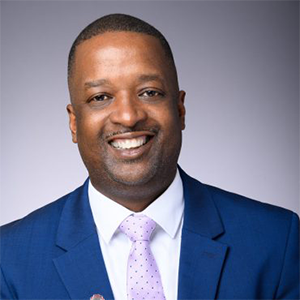
➀ Working longer is a numbers game stacked against people of color. Think of it in terms of our global competition, advised Gary Officer, President and CEO of the Center for Workforce Inclusion. He told Living Longer fellows that the U.S. ranks far below Asian economies that invest a much higher percentage of their GDP into workforce systems. And because our workforce will be predominantly older in the coming years, people over 50 will be the highest single segment in the workforce. But as Officer highlighted, African Americans are highly concentrated in the top and bottom 10 occupational categories where jobs are likely to disappear, versus the sectors primed for long-term growth, like technology and finance. [Transcript 1 | Transcript 2 | Video 1 | Video 2]
➁ Technology simply can’t solve the problem. No matter how much artificial intelligence is touted, there’s no way it can erase human nature, Officer said. In many workplaces, people hire younger versions of themselves, or young bosses hire people who can relate to their interests and activities. “So the future of work and the future of preparing our older people for what’s to come is going to require investment, an understanding of their value and a culture that recognizes the value of being older and what older people can add to the workforce of the future.”
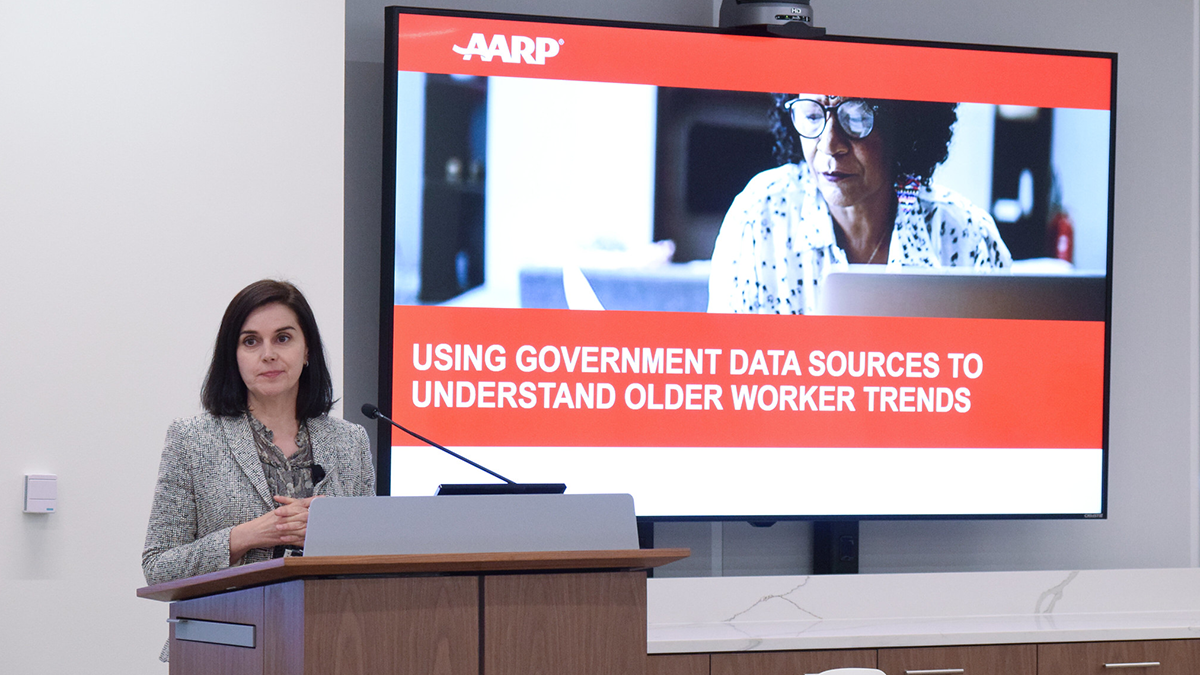
➂ Older workers took a harder hit due to COVID. Like others studying the impact of the pandemic, economist Julia Pollak of ZipRecruiter acknowledges some upward trends. The unemployment rate has fallen, and the jobs that are returning post-COVID are often more flexible and offer the possibility of working from home. But Pollak says the labor force participation rate for older workers above age 65 has fallen, as has the overall rate for Black women. The poverty rate for older Americans has increased, as has child poverty, even with more access to tax credits. “And if everyone was just retiring and enjoying the fruits of their labor and kicking back and playing golf, that would be fine,” Pollak said. “But we know that’s not the case. Retirement is a luxury that many workers cannot afford in this economy.”
➃ Returning to work when you’re older is nearly impossible. Pollak said the re-employment rate for older workers who lost their jobs due to the pandemic is less than 30%. That number is a 15-percentage point decline since a pre-pandemic survey. And education does not protect older workers, said Peter Gosselin, the former Pro-Publica journalist who investigated the job losses of older IBM employees and who himself was laid off late in life. “We found 58% of those with high school educations experience damaging layoffs or involuntary separations and those with college educations, 55%.” He urged Living Longer fellows to go beyond the numbers to amplify the stories. “I think the aim should be to cover the roles of aging and older people in society and since they don’t have large roles right now cover how they’re shunted to the margins, to their detriment, to society and the economies and to our ability to appreciate the poignancy of human behavior.”
➄ A salute to the “Ultimate Older Worker.” UK native Officer paid tribute to Queen Elizabeth II, whose passing occurred days before the fellowship program. Except for physical limitations, Officer said she didn’t appear to be diminished. Right up until the end, Queen Elizabeth kept up with current issues and engaged with leaders. “And so for me, one of her legacies is really about what it means to age, stay current, and remain relevant. She’s a standard bearer for what aging and employment means.”
This program is sponsored by AARP. NPF is solely responsible for the content.