Journalists may be resilient by nature – often running toward danger, reporting on traumatic events and continuing to work.
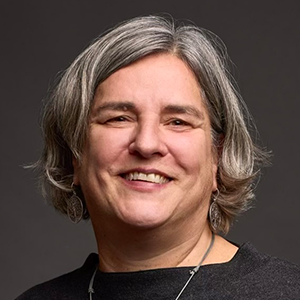
But resilience is like a spare tire in your car, said psychologist Gretchen Schmelzer: “You should have one … but you shouldn’t be driving around on the donut all the time.”
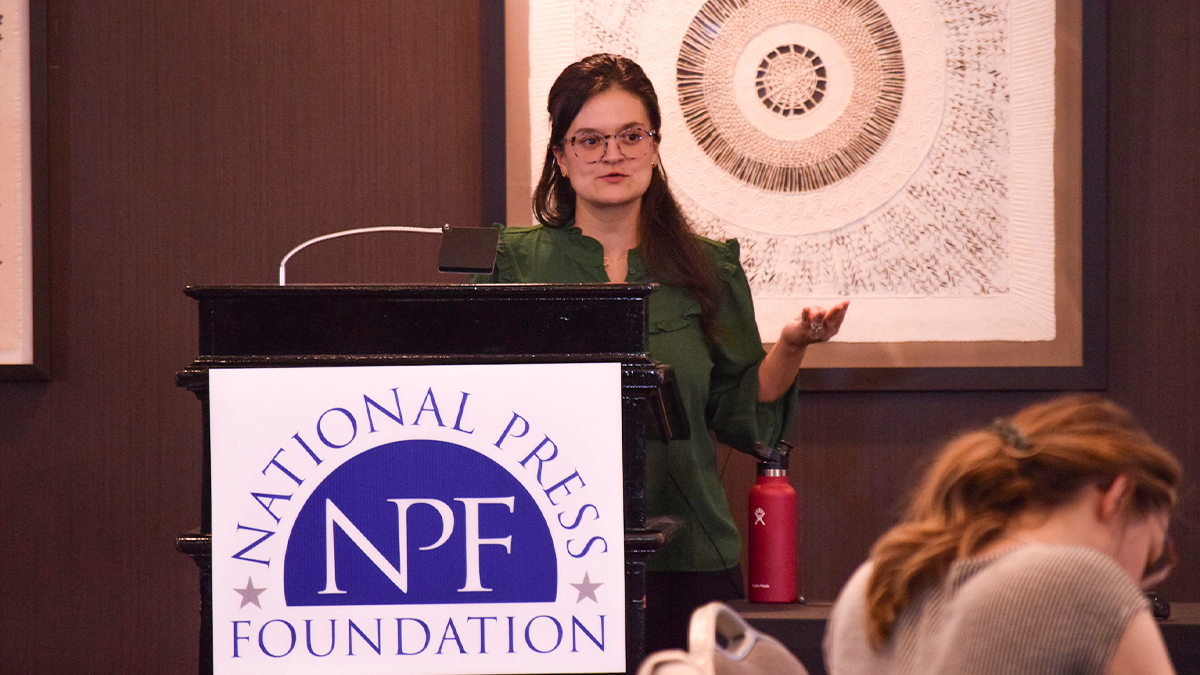
Schmelzer, co-founder of the Center for Trauma and Leadership, spoke to NPF and RTDNA fellows at the Crime Coverage Summit in Philadelphia, and Melissa Kaiser, a licensed social worker at MelKai Consulting, spoke to Crime Coverage Summit journalists in New Orleans.
Schmelzer told journalists that they should think of themselves as needing maintenance, just like someone competing in the Tour de France, and should know who on their team can make them stronger and in what ways.
“Who is the person you call when you need somebody to tell it to you straight? Or who’s the person you call when you just need somebody to make you feel better? Who are those people? … What are some practices or activities that ground us?”
Newsroom leaders should ask their people, “How will I know you need help?” rather than making assumptions.
Kaiser, who worked as the Human Trafficking Navigator with the North Dakota Human Trafficking Task Force, said that journalists who cover crime and social workers share a lot of “commonalities.”
“When your actions or your daily experiences at work expose you to trauma, you’re going to have a reaction to that … How has the work changed you?”
She said it’s important for journalists to be self-aware of what they’re taking in, what they’re bringing home, and their own warning signs for when it’s too much.
One way of coping is to stop glamorizing overwork and cultivate hobbies and friendships outside of the profession, Kaiser said, which can help set boundaries between work and your personal life.
Read Schmelzer’s full transcript here.
Read Kaiser’s full transcript here.
Crime Coverage Summit 2024: Beyond ‘If It Bleeds, It Leads’ was sponsored by Arnold Ventures and hosted by NPF and RTDNA. NPF is solely responsible for this content. If you are a journalist who covers mental health issues, apply for the $10,000 Mattingly Award by March 4.