When ensuring that good journalism finds the largest audiences, the work doesn’t stop at publication.
Yet for print and digital journalists, finding outside broadcast platforms to amplify their reporting often requires perfecting a new set of skills.
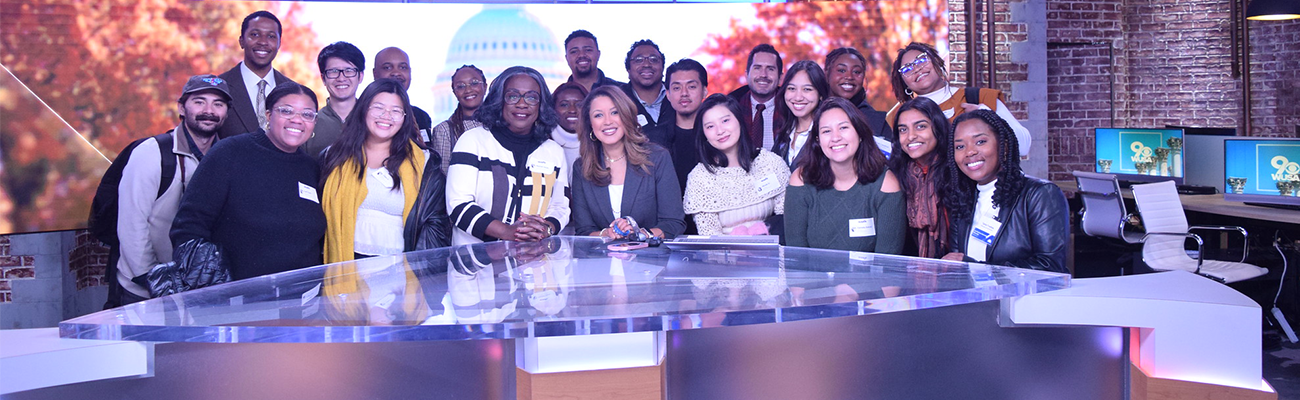
Kirstin Garriss, a veteran broadcast reporter and creator of the Substack and TikTok series Here’s the Deal with KG, shared best practices with the National Press Foundation’s Widening the Pipeline program.
As in reporting, persistence pays dividends
“The biggest thing to do when it comes to trying to land that first media hit is to proactively pitch yourself. And constantly do it. The first email likely won’t get a response; the second email might not get a response.
“Keep going, keep pitching. And find out who are those producers, who are the people booking guests,” Garriss said. “Definitely go to LinkedIn, social media. I’ve talked to several booking producers who say they want to hear from reporters. They’re looking for you guys and they’re always looking for … new talent who can come in and be part of a roundtable or again, do a solo interview.”
To that end, think about how you can pitch yourself as an expert.
Keep your bosses in the loop
The process should always start with securing permission from immediate editors.
“Always get permission first. Most companies are totally fine with it because again, you being on TV or the radio elevates their profile and very few people pay. So there’s a gift and a curse there. You won’t get any money, but it’s more exposure.”
Practice, practice, practice
If you’re a print reporter, “talking on TV or doing radio – very different skillset. You want to practice that,” Garriss said.
“I don’t want you to memorize your answers, but recording yourself, answering some questions can help you kind of figure out what are my things. What are my facial expressions? Am I an eyebrow person that every time I say something, one eyebrow goes up to the left? Take a breath.”
She also recommended timing how long it takes you to answer a question.
“On TV, it’s all about quick, quick and concise.”
‘One sentence, one thought, one breath’
Many people tend to ramble when they’re excited or nervous – this can be especially true for journalists who know a lot about a topic.
Garriss suggests a mantra: “One thought, one sentence, one breath.”
“How do I just complete a thought? Take a pause. It’s OK. It feels weird to you, but it looks fine on TV, I promise.”
Access the full transcript.
This fellowship is funded by the Evelyn Y. Davis Foundation and the John C. and Ethel C. Eklund Scholarship Fund. NPF is solely responsible for the content.