New year, no escape from the dilemmas of the news industry.
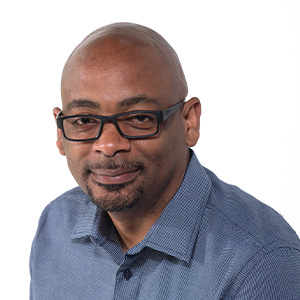
“In 2026, we have a pretty existential challenge with AI,” said Michael McCarter, who became USA Today’s interim editor in chief after Caren Bohan’s December departure. “Especially when it comes to photo and video, things that look so real, it’s hard to differentiate … so we have to own our relationship with our audiences, so that we have to find that connective tissue.”
The most important part of that relationship is accuracy.
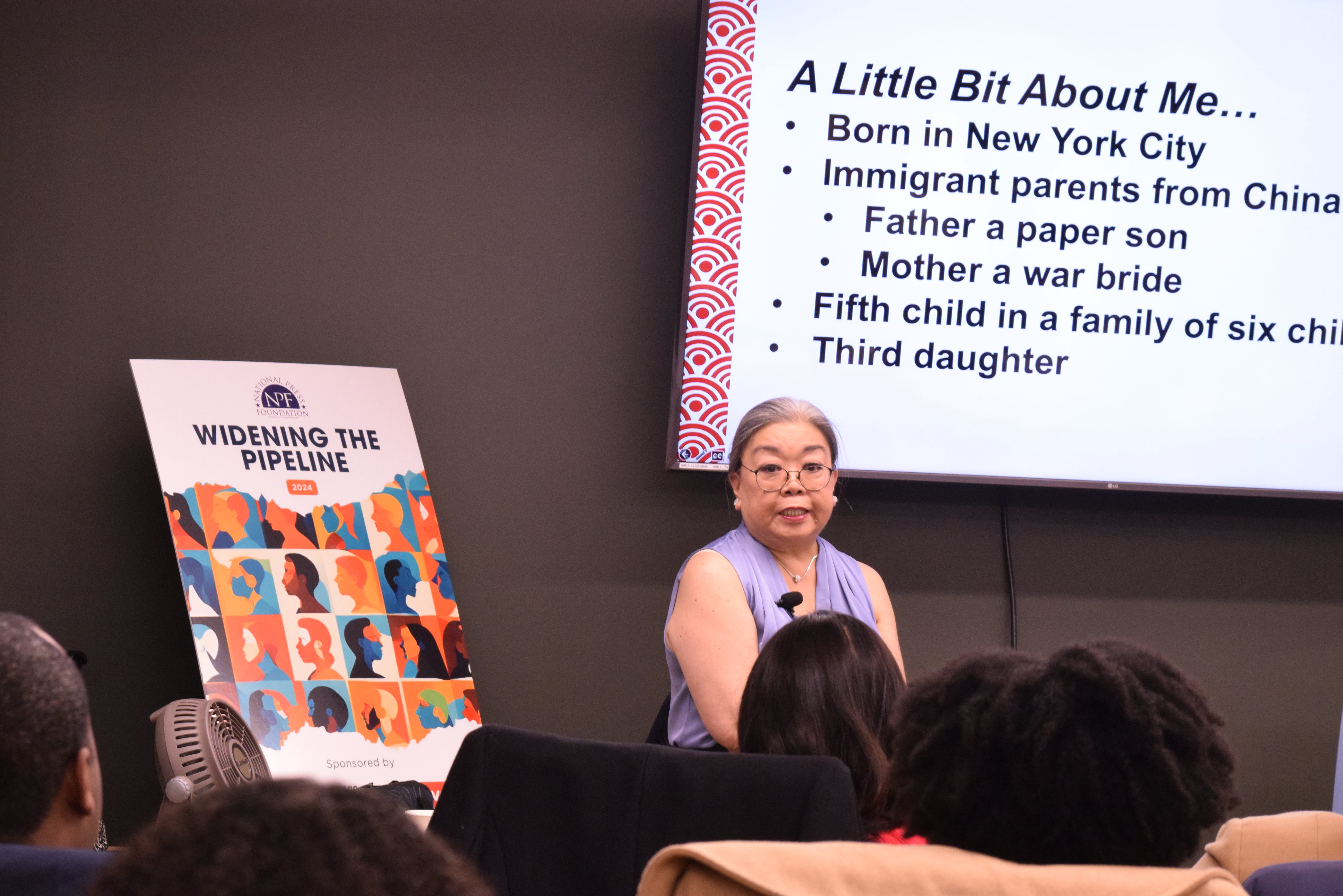
“Every time you make a mistake, you are peeling off a layer of people’s trust,” the former standards editor told National Press Foundation’s Widening the Pipeline fellows.
That’s a challenge for all journalists. For USA Today, “we need to be fast and first,” McCarter said.
In addition to the focus on breaking news, McCarter will push exclusives rather than commodity news.
“If you want to know what the score of the football game is tomorrow night, there are probably 10,000 places that have it. If you want to know why the wide receiver on the Philadelphia Eagles acted like he was disinterested … that takes a reporter doing exclusive reporting and having the right sources,” he said. “That’s nothing that AI can pull out for you and that makes you distinctive and that makes you also valuable. If you can get something that’s distinctive, people will pay for that.”
McCarter said many journalists, including himself, realize too late in their careers that journalism is a business.
“I was in it for the journalism, not really understanding that this is a business,” he said. “The business has to remain viable” to support quality reporting.
“The core never changes,” he said. “And that is the storytelling, the truth telling, the facts forward journalism. That doesn’t change. And AI can’t replace you talking to someone else.”
Amid growing reliance on artificial intelligence, McCarter affirms that trust and the relationship between journalists and their audience is something AI can not take over.
“People come to us because they trust us,” he said. “They’ll come to us because they know that we are vetting everything that we publish and that we have verified everything that we publish.”
The former USA Today vice president of ethics and opinion also discussed his path to leadership and shared advice during a time of extreme industry disruption.
What advanced McCarter’s career from the photo desk to the C suite was his willingness to adapt.
“I said yes to Shreveport when I didn’t know where it was and had never heard of it before,” said McCarter, who first worked as an assistant photo editor at the Shreveport Times and later served as executive editor of the Evansville Courier & Press. “I said yes to Evansville. They asked me, ‘Do you want to be the editor in Evansville?’ And I said, ‘Absolutely. Where is Evansville?’ because I had never heard of it before.”
For McCarter, flexibility is essential to growth in an industry where fixed career paths are increasingly scarce.
“I try to be where I am most valued and most relevant,” he said. “I wouldn’t say go into copy editing because that’s just not an expanding role right now, but they’re valuable. … Try to make sure you’re keeping up with the industry trends and know where things are going, and then pick what you like and try to be the best at that you can.”
Being able to adjust and learn through new positions and challenges is key to developing new skills and playing a greater role in leadership and decision making.
“Learn as much as you can,” he said. “I say yes to a lot of things.”
Access the full transcript here.
This fellowship is funded by the Evelyn Y. Davis Foundation and the John C. and Ethel C. Eklund Scholarship Fund. NPF is solely responsible for the content.