5 takeaways:
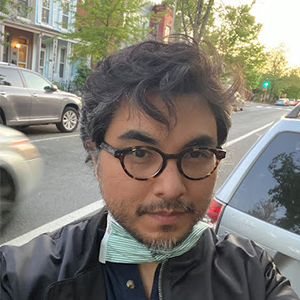
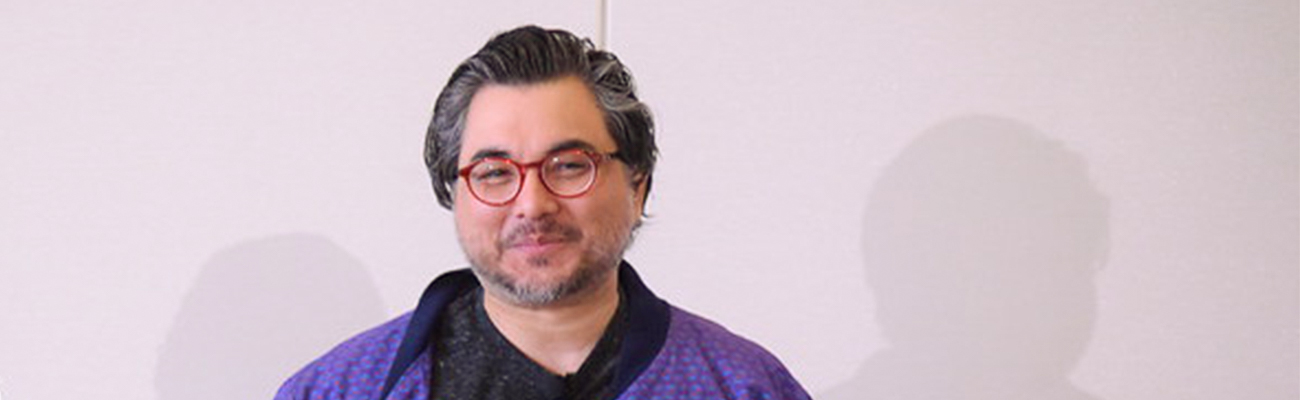
➀ Be ready to leverage events in the news. Kenichi Serino, Deputy News Editor for the PBS Newshour, told Widening the Pipeline fellows about his stint as a South Africa-based freelancer, after that country’s racist apartheid system was abolished. In 2013, after a Paralympian named Oscar Pistorius shot and killed his girlfriend, Serino was able to produce a steady stream of stories – as long as there was a Pistorius-related angle. “So, did they want to do a story about housing? Absolutely. Because why? Pistorius lived in an almost all-white-gated community, it’s in Pretoria. Very, very, very normal. Did I want to do it about white South African men and gun culture? Yeah. Why? Because Pistorius was a gun nut. I did stuff about how mainstream conversations didn’t really affect the black majority. Why? Because, this is a white Paralympian, who shot his blonde model girlfriend and the whole world went completely apeshit over it, and really, it didn’t affect …the majority of people in South Africa.”
➁ Know your audience. Really. Serino also worked in South African newsrooms forced to shift their coverage priorities under a new political regime. It was a difficult pivot. “Even though I was in a newsroom that was majority Black, and I was working in a country that was majority black, we still ran into this problem of who we were writing for. This imagined blank slate was still very much this white audience, right? I banged my head against all this stuff and had some fights with copy editors and won some, lost some, won some, then found that I’d lost some.”
➂ Digital reporting can offer freedom from established formats. The national broadcast television audience is older, whiter and more wealthy than the general U.S. population of America, Serino said. But because he produces content for the digital platform, Serino can think beyond that audience. “Digital, in that way, can be very emancipatory in that you are not bound by what the normal audience for your publication.”
➃ Never give up on a good story idea. Trust your instincts when pitching story ideas –it will eventually pay off, Serino said. “The worst thing in the world isn’t to write something and not be compensated enough for it. For me, the worst thing is to conceive a good idea and have it die inside of you.”
➄ Don’t get carried away by creativity. When chasing fresh story angles, keep your hands on the reins, Serino said. “Is there a risk of making a Frankenstein monster out of a story where you’re just trying to cram something that doesn’t quite fit under a news hook? And it’s always a danger, but the job is to figure that out, right? I mean, sometimes it doesn’t work. “If you can convince your editor, whose job it is to listen to you at least a little bit, then you must convince an audience or a reader of that, or a listener of that in the same way, right?
The Widening the Pipeline fellowship is sponsored by the Evelyn Y. Davis Foundation, Bayer AG, J&J and Twitter. NPF is solely responsible for the content.