Ray Suarez was the first Latino to work at ABC Radio as a producer and writer. He was the first Latino on-air correspondent for CNN in Los Angeles, the first Latino correspondent for the NBC TV station in Chicago, the first Latino correspondent for the PBS NewsHour, and more. Yet “in the eyes of no small share of the viewing audience of the supposedly liberal NewsHour viewing audience, I was just an affirmative action hire,” he said.
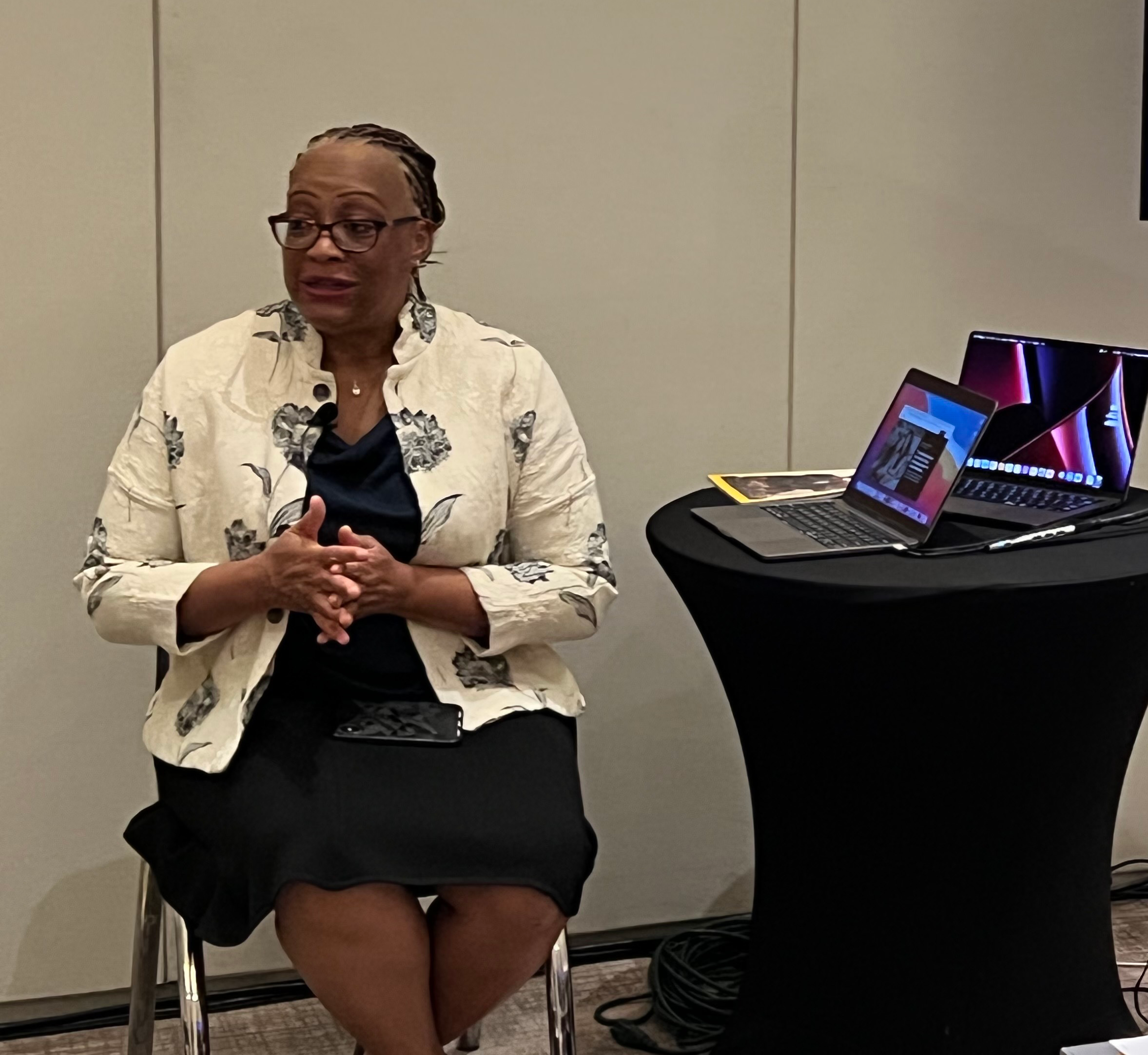
Suarez spoke with NPF’s Widening the Pipeline fellows on March 20, 2022, about enduring discrimination in the news business and how journalists of color can overcome it. A transcript of his remarks is here.
Five highlights:
1. Latinos are underrepresented in newsrooms – and TV and movies, according to a General Accounting Office report requested by Rep. Juaquin Castro, D-Texas. This “renders 18.7% of the country, more than 62 million people, absent from the culture, makes them very simply not key players in the stories America tells itself about itself,” Suarez said.
2. The diminished finances of the news industry and the democratization of technology continue to put downward pressure on journalists’ wages, narrow the pipeline for journalists of color, and threaten the careers of older journalists. Suarez recommends young journalists watch “On the Waterfront” for a sobering look at the labor economics of journalism, in which there are more aspiring workers than jobs. “I don’t want to scare you too bad, but this is kind of where things are going. The rise in contingent labor is a really big part of how some of the most-read websites get on, how some of the most-seen video gets screened and streamed, how some of the most-heard podcasts are created.”
3. The battle over “objectivity” in journalism is especially tricky for journalists of color. White male journalists are assumed to be free of bias and know about all topics, thus prepared to cover any topic, whereas journalists of color are expected to both represent their communities and scrutinize for bias when they do, he said. “The idea that you need certain people to cover certain stories is a trap,” Suarez said. For decades, injecting one’s “authentic voice” into reporting was a career risk for journalists of color. “If you got known as someone who injected your opinion into your reporting, who slanted stories, who didn’t quote people that you thought were not on the right side of an issue, that would actually harm your career. Now that’s kind of being renegotiated … That this creates a problem for someone like me, who had to ferociously code switch, get the Brooklyn streets out of my on-air self in order to be able to rise in the ’80s and ’90s. To play the game under the rules that existed then as I was trying to play it and find out now in my 60s that the rules have changed, making that deracinated self less valued by a business that suddenly wants some OG urban, primitive, original ethnic ghetto me that they wouldn’t have wanted when I was a kid. So you’re caught between two stools when the music stops.”
4. There are community expectations that are as unfair and misguided as any that will originate in your newsroom. In Los Angeles and Chicago, Latino community leaders either implied or told Suarez that “they expected me to take it easy on the bad news and spend a little bit more time pumping up the good news… demonstrating their own misunderstanding of the very meaning of news itself and why I had my job in the first place and what my job was,” he said.
5. Suarez offered 10 tips for journalists of color aiming to succeed in the news business. Number one: “Modesty is an admirable trait but not always useful in a news organization.” Number two: “Don’t be a pushover, but don’t be a jerk either. Leave that to other people in the newsroom.” Also, share, keep your temper, and don’t suffer in silence. His advice is here.
You may also like: Redefining the Narrative.
Speaker:
Ray Suarez, Former NPR and PBS Newshour Correspondent; Host, Economic Hardship Reporting Project Podcast
This fellowship is sponsored by the Evelyn Y. Davis Foundation, Bayer AG, Johnson & Johnson and Twitter. NPF is solely responsible for the content.