5 takeaways:
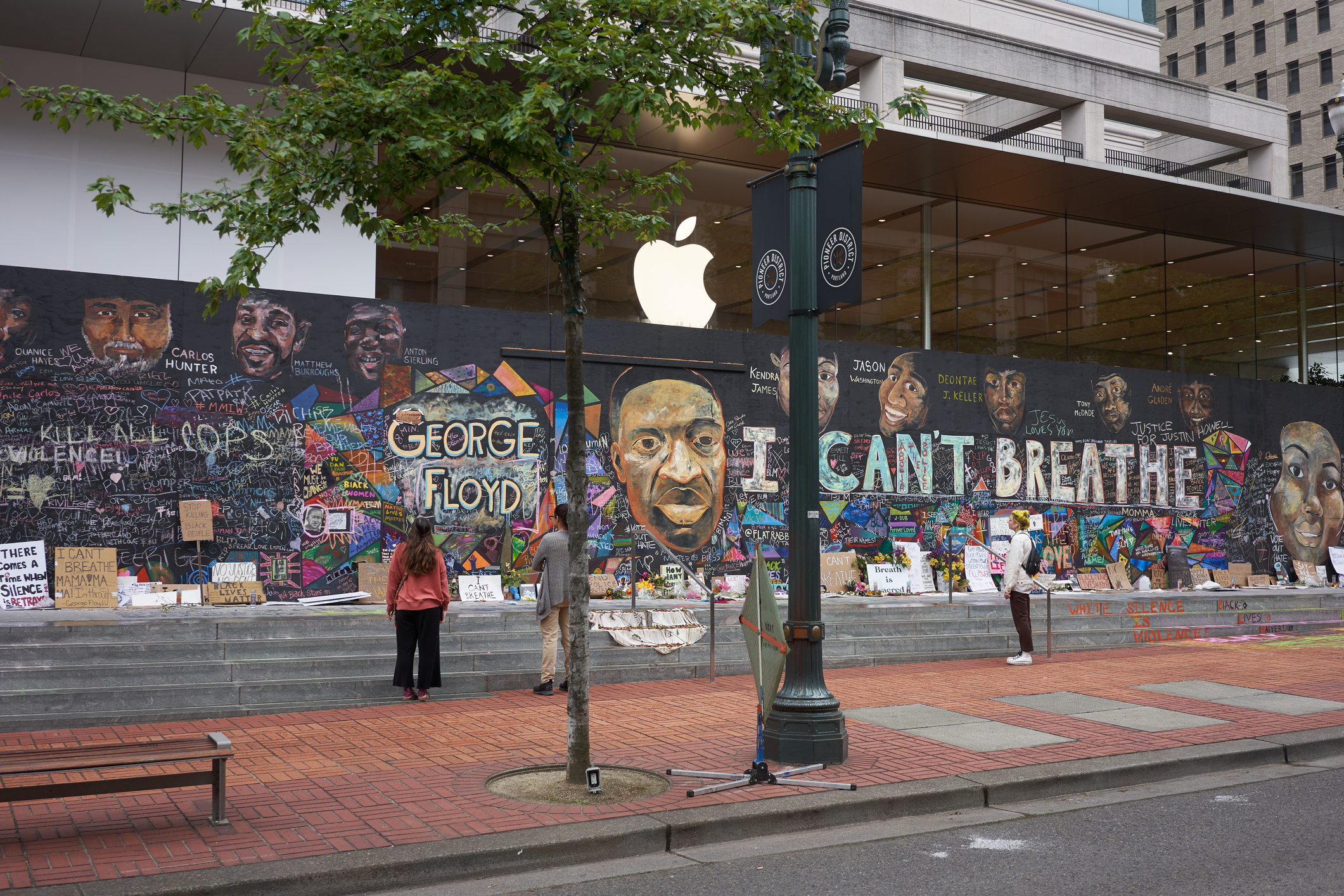
➀ Challenge conventional wisdom used by police. Libor Jany, who helped the Minneapolis Star Tribune win the Pulitzer Prize for its coverage of the 2020 police murder of George Floyd, said the protests that erupted in the Twin Cities and elsewhere dominated their coverage the first few days. But then the newsroom decided to move away from what he called “protest porn coverage” about what was burning, where and begin to explain how Floyd’s death came about. That meant reporting on ingrained police culture. Jany and his colleagues focused on one precinct targeted by protesters. “Why did this particular precinct burn down? What provoked that much anger and grief and trauma that would prompt people to take to the streets like that and protest outside of the building and then eventually lead to burning it down?” he asked. Reporters found that the precinct was staffed by older police officers who practiced an outdated form of heavy-handed “I am the law” policing.
➁ Cultivate police-beat sources well before the crisis hits. In the George Floyd case, one of Jany’s most important tips came from inside the department. “Plant the seeds early on in your career or on the beat,” Jany said. “You attend countless night-time civilian board meetings just to get some face time with this commissioner or this activist. You go to award ceremonies and graduation ceremonies just to be seen by some department officials. And the hope is, down the road, that they will trust you enough to pick up the phone and call you with this sort of tip.”
➂ Seek crime data from more than the usual suspects. At The Marshall Project, data expert Weihua Li uses the FBI’s Uniform Crime Report and National Incident-Based Reporting System – sources that all criminal justice reporters should tap. But she has broken crime stories with other sources as well: labor and economics data from the Bureau of Labor Statistics to track police officer retirements (they weren’t as widespread as many had claimed); voting records to see how many felons voted (most who could have voted didn’t); and U.S. Census Bureau data to explore incarceration rates (down over the past decade). “The criminal justice system is part of the society,” she said. “Which means criminal justice data exist in other general datasets as well.”
➃ Cover how consent decrees and political pressure are forcing police departments to change. Annie Sweeney of the Chicago Tribune covers one of the biggest ongoing crime stories in the country: court-mandated reforms changing the way the Chicago Police Department does business even as the city is seeing a spike in violent crime. Her go-to sources: citizens who can describe their encounters with police; federal court officials and monitoring reports; state court officials who prosecute violent crimes; Chicago Police Department officials overseeing efforts to reduce crime and improve police tactics; and the mayor and 50 City Council members responsible for overseeing the police. “Be skeptical if they say they have made progress,” Sweeney said.
➄ Track crime statistics but be aware of their limitations. Ted Gest, a longtime reporter who leads Criminal Justice Journalists, said reporters need to be careful when reporting on crime statistics. The numbers might hide the real stories. In 2020, for example, homicides were up nationally but other crime categories – such as robbery – were down. Another problem is that crime data come from reports submitted voluntarily by police departments. “A lot of police departments don’t even bother to report to the FBI,” Gest said. “And so you get these incomplete figures.” He suggests reporters also tap into the National Crime Victimization Survey, for which the Bureau of Justice Statistics interviews a representative sample of people about whether they were crime victims in the previous year.
Speakers:
Ted Gest, President, Criminal Justice Journalists
Libor Jany, Reporter, Minneapolis Public Safety, Star Tribune
Weihua Li, Data Reporter, The Marshall Project
Annie Sweeney, Reporter, Criminal Justice Team, Chicago Tribune
This program was funded by Arnold Ventures. NPF is solely responsible for the content.