When reporting about workplace mental health, journalists must recognize what employees need in terms of support. There are no “one size fits all” solutions, and successful companies must be responsive to America’s evolving workplace scenario.
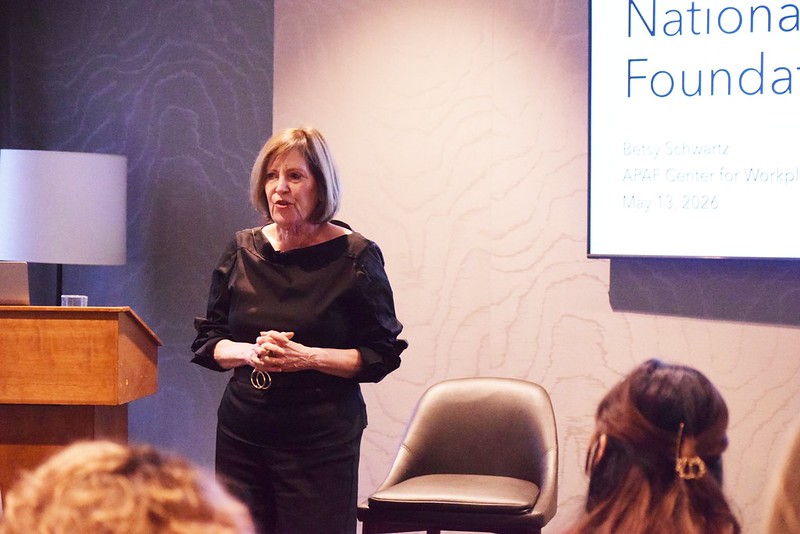
NPF Covering Workplace Mental Health fellows received expert guidance from Christi Venable, a corporate wellness strategist with Smile Therapy Services LLC. Her presentation helped fellows recognize the elements of a quality employer mental health support strategy.
“Workplace mental health is not just one story, right? It’s thousands of stories hiding inside turnover reports, exit interviews, disability claims, and quiet resignation of workers who stop asking for help because no one came the first time.”
Through her work with clients including Microsoft, Aetna and the DC Government, Venable explored these key issues:
- Poor workplace mental health has a significant financial impact on companies, costing an estimated one trillion dollars annually in lost productivity.
- Burnout is a widespread issue, with 76% of U.S. workers reporting at least one symptom in the past year.
- The concept of “presenteeism”—employees being physically present at work but mentally absent and unproductive—is a major and costly problem, even more so than absenteeism.
- Traditional corporate mental health resources, like Employee Assistance Programs (EAPs), are often insufficient because they are reactive, had low session limits, and involved cumbersome processes to access care.
- A major driver of employee mental health issues is toxic workplace culture, and bad managers had a more significant negative impact on an employee’s mental health than any other factor.
- Men’s mental health is a particular area of crisis, with men having a higher rate of successful suicide attempts than women, which she attributed to a lack of emotional management skills.
After unpacking the data, Venable offered a powerful takeaway for the journalists.
“Behind every statistic is a person whose life was made harder by a system that failed them,” she said. “The wellness gap, it really isn’t a secret, but are we actually talking about it? And so you guys can really help break the silence on that.”
Access the full transcript here.
This program is sponsored by the Luv U Project, with associate sponsor the American Psychological Association. The National Press Foundation is solely responsible for its content.