Nearly half of America’s private sector workforce—more than 62 million people—work for small businesses. But when it comes to the impactful decisions about infrastructure and policy, many of those employees and owners have little or no input.
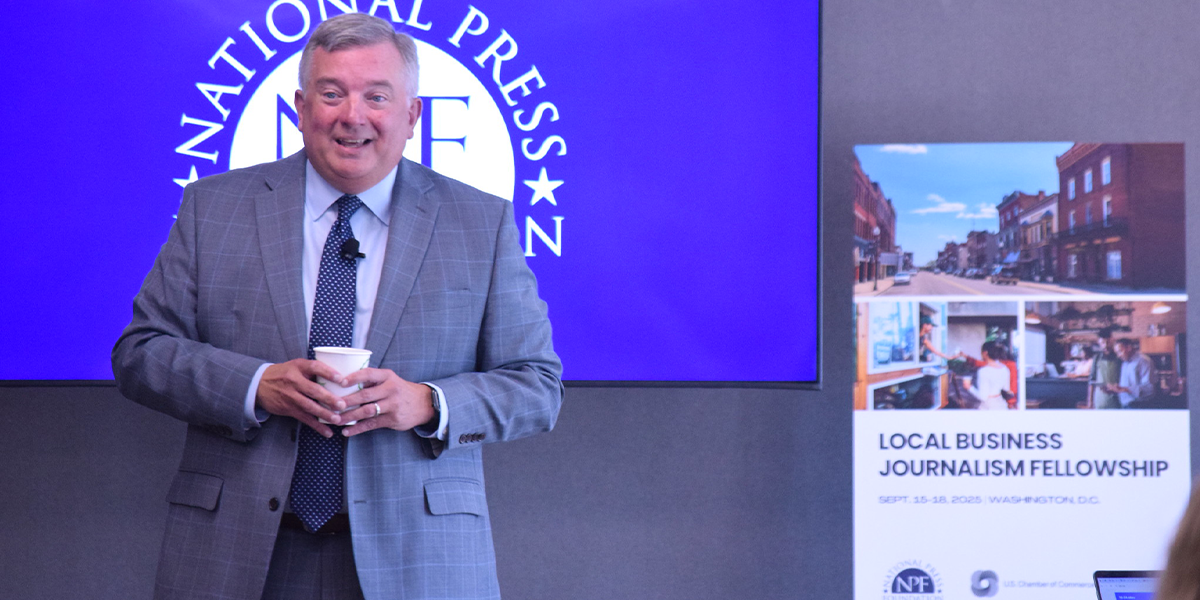
As a former small business owner himself, John Arensmeyer sought to change that reality by launching the Small Business Majority, a nonprofit network of 85,000 small businesses and 1,500 partner organizations such as local chambers of commerce and business support organizations. His nonprofit provides resources like policy education, technical and logistical support for small businesses.
“We really see it as our role is to provide the forum for them to express their views, share their stories with policymakers and … make sure that they’re educated about policies,”Arensmeyer told National Press Foundation Local Business Journalism fellows, noting that small businesses are responsible for two-thirds of net job growth in the U.S, and that 80% of them employ fewer than 10 employees (many of whom are self-employed).
Here are key takeaways from his session:
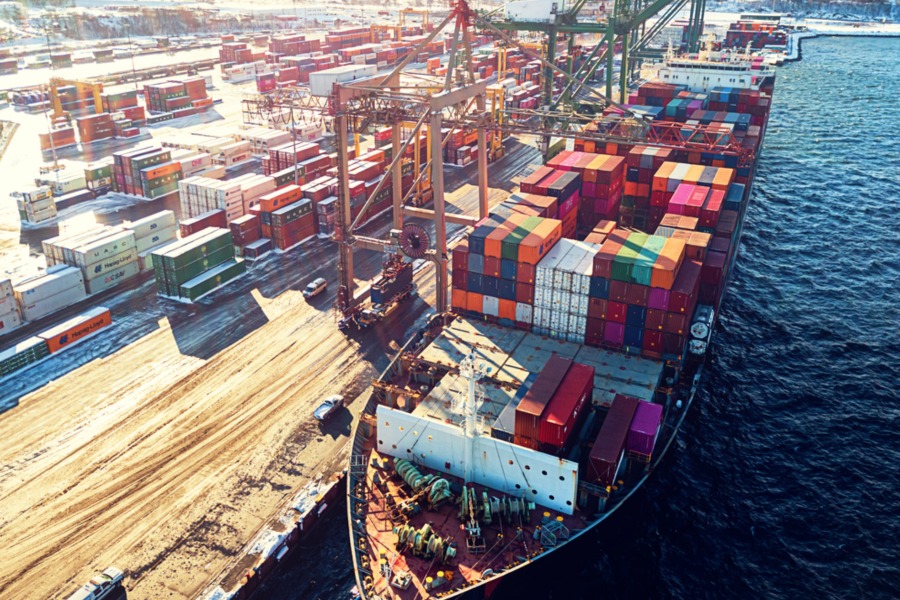
Tariffs: Big Pain Point for Small Businesses
Arensmeyer said 84% of small business owners his organization surveyed are concerned about the impact of tariffs on their business.
“Small businesses report they’ve taken on considering a number of steps, including price increases and delaying business expansion. Sixty percent of businesses note higher costs due to increases in tariffs, with most saying costs have gone up between 10 and 25 percent.”
More to the point, one-quarter of small businesses surveyed import goods from other countries, and nearly half buy American supplies from entities that use imported products.
“This is huge. You’re talking about businesses coming out of the pandemic that have thin margins, and this is really creating big problems and they have no choice in many cases but to pass the costs onto customers or close their doors.”
Larger Businesses Can Absorb Shocks Smaller Ones Can’t
Most small companies can’t even begin to think about lobbying the Trump administration or a particular industry for support, Arensmeyer said. And a proposed bill on Capitol Hill that might provide funding and relief may come too late for many owners who’ve already been battered by supply chain disruptions.
“Most small businesses would love to buy domestically. The economy has changed. Supply chains have changed in the last 20 years, and either these products are in short supply and very expensive or they don’t exist at all.”
Infrastructure is More Than Bricks and Bridges
“Healthcare, childcare, monopoly issues,” Arensmeyer said. “Small business issues intersect with virtually every policy issue out there.”
Access the full transcript here.
This fellowship is sponsored by the U.S. Chamber of Commerce as part of a journalism training and award program. NPF is solely responsible for its content.