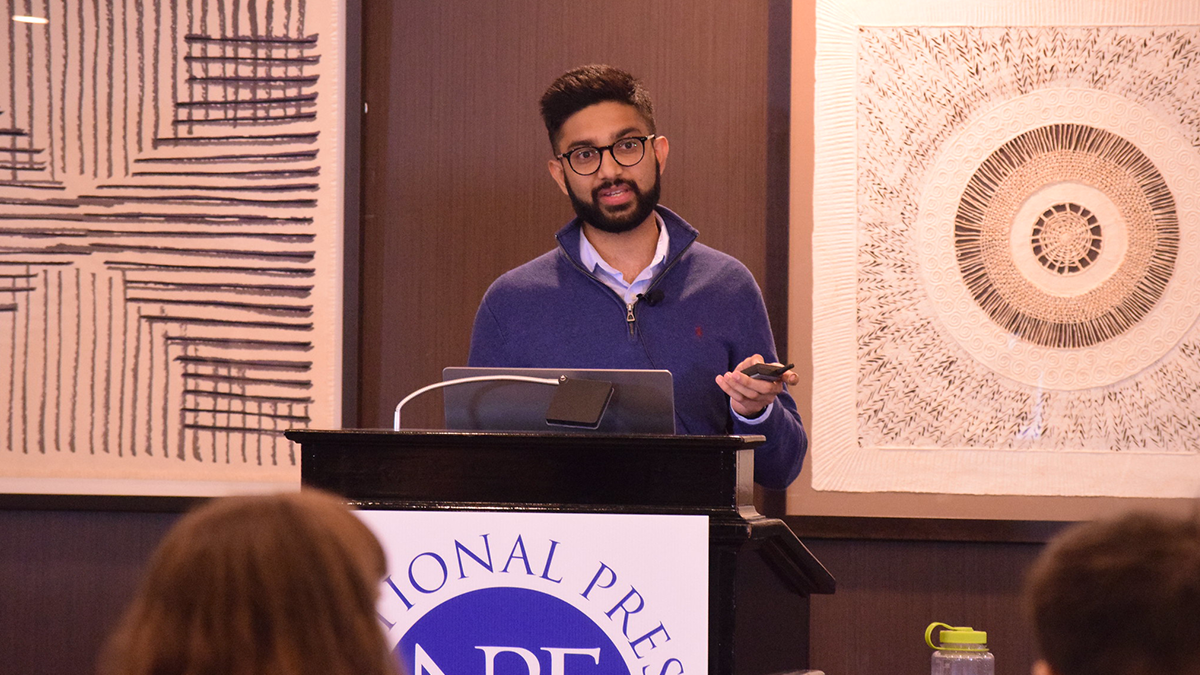
As America’s COVID emergency response strategy winds down, there’s still the specter of what’s known as long COVID to confront. Research into the lingering effects of the virus on patients is evolving, and some clinicians even doubt it’s a real ailment. Even less is known about long COVID in children. Dr. David Miller and Dr. Amy Edwards work at the University Hospitals COVID Recovery Clinic in Cleveland, one of only about a dozen such centers in the U.S. specializing in long COVID research in children. They explained the complications around understanding long COVID’s effects on children to NPF’s Future of the American Child fellows. [Transcript | Video]
6 takeaways:
➀ Long COVID is not just one thing.
Long COVID manifests as a cluster of symptoms that can vary in seriousness. Although many patients with long COVID experience fatigue or dizziness, there is no single definitive symptom. making it difficult to diagnose. “It makes it much harder for people to explain what’s going on with them and it makes the patients feel like they’re relatively crazy,” Miller said. Some long COVID patients experience exertional malaise, meaning they exert themselves and experience exhaustion in the following days.
Many people are quick to brush off fatigue in children as laziness or part of growing. While the Biden administration has listed long COVID as a disability protected under the Americans with Disabilities Act, some doctors “are uncomfortable for some reason making that diagnosis,” Miller said.
➁ Children and adults experience long COVID differently.
Adults with long COVID may experience organ damage, heart failure or pancreatic failure. Children typically don’t. As a result, clinics that treat long COVID in adults often are not useful for children. Long COVID increases the risk of illness or death in adults but not in children. However, both children and adults with long COVID often suffer from fatigue or complications with their automatic bodily processes, like gastrointestinal health and circulation health. “You can’t take adult science and adult medicine and just translate it to children because kids are not little adults,” Edwards said. “They are their own separate species, completely different from adults.”
➂ Varying definitions of long COVID hinder research.
“Because of poor definitions, all the studies that have been done looking at incidents of long COVID are just all over the place,” Edwards said. “You’ll see some that come out with an incidence of 2%, and then some that will come out with an incidence of 75%.”
Studies are also often difficult because it’s unclear who would fall into the control population. Early studies defined the control group as people who were negative for COVID at the time of the study, but many COVID-negative people may just not have been tested or may have been asymptomatic. COVID testing in general is less successful in children, further complicating studies. Many children who test positive for COVID on a PCR test get a negative result on an antibody test. “The current testing that we have for COVID doesn’t perform very well in kids,” Edwards said.
➃ Long COVID in children can have disastrous effects on their long-term development.
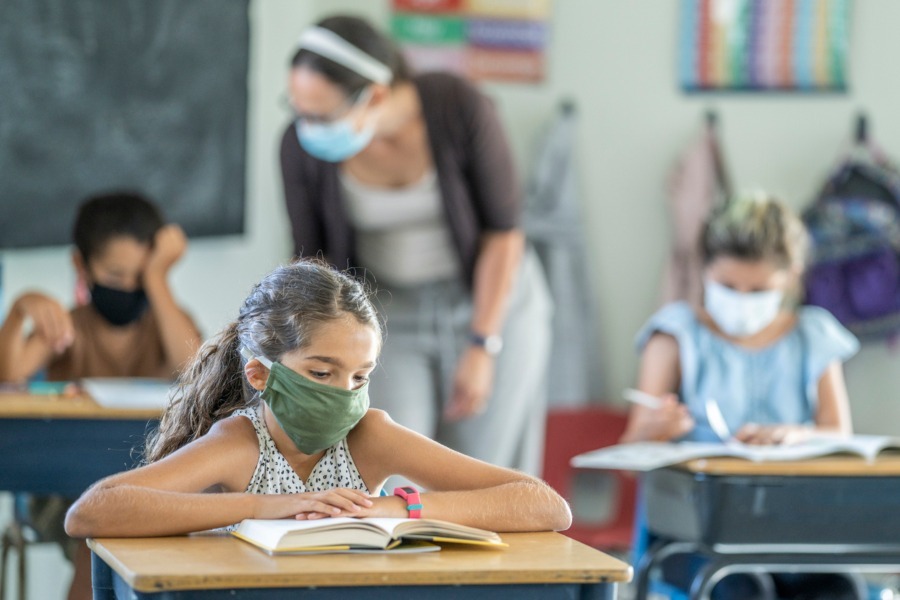
When teens develop long COVID during “the most formative years” of their lives, they miss out on rites of passage, school sports and other experiences that will inform the rest of their lives. Edwards said 75% of children in her clinic report disruption to their school or after-school activities from long COVID. “They’re missing these activities because they’re too busy being sick and dizzy and tired,” she said. “And if they do try to push to do these activities…they will crash and spend the next two days in bed because they spent all their energy for their week on that one day, and then they’re done.” Edwards said she currently has at least two patients with long COVID worried about losing their college athletic scholarships due to their symptoms. Without accommodation, it may also be difficult for children with long COVID to attend school, sometimes rousing suspicion from truancy officers and Child Protective Services.
➄ Treating long COVID is difficult logistically and financially.
Treatment for long COVID is often time-consuming for both physicians and families. “We can’t get paid really to treat these kids,” Miller said. “We can bill insurance, but I spent four hours the other day with one kid, and I can’t bill insurance for four hours a time. It’s not going to pay.” Families of children with long COVID may also take on financial burdens in the form of rehabilitation programs, treatments for related conditions caused by long COVID, like complications from blood clotting, or lifestyle changes for their children.
➅ Currently, only privileged patients receive care for long COVID.
Anecdotally, their University Hospitals clinic primarily sees rich white, high-achieving children, Edwards said. “We are seeing the straight-A students, the scholarship athletes, the teen captains because it’s obvious,” she said. She said parents of wealthy, high-achieving children are more likely to notice potential cases of long COVID in their children. “What about the kids who are medium achievers?” Edwards asked. “What about the kids who are already low achievers?” Parents without ample childcare resources who must work long hours may not notice extreme, abnormal fatigue in their children.
This fellowship is funded by the David and Lucile Packard Foundation, the W.K. Kellogg Foundation and the Heising-Simons Foundation. NPF is solely responsible for programming and content.