5 takeaways:
➀ The world is at a historic inflection point as the world splinters into new blocs – and it’s an epic story. At the turn of the 21st century, the orthodoxy on trade was that increased economic interdependence would bring political integration and liberalization around the world. The post-World War II system is being upended, and though this is being covered by every news organization, the world is still grappling to understand the effects, said Neena Shenai, a nonresident fellow at the American Press Institute. “We’re seeing the effects of the fraying of the post-World War II economic order, the rules-based system that was created really out of the ashes of the Second World War to foster cooperation among great powers to prevent another war, to prevent the beggar-thy-neighbor policies in the 1930s,” Shenai said. [Transcript | Video]
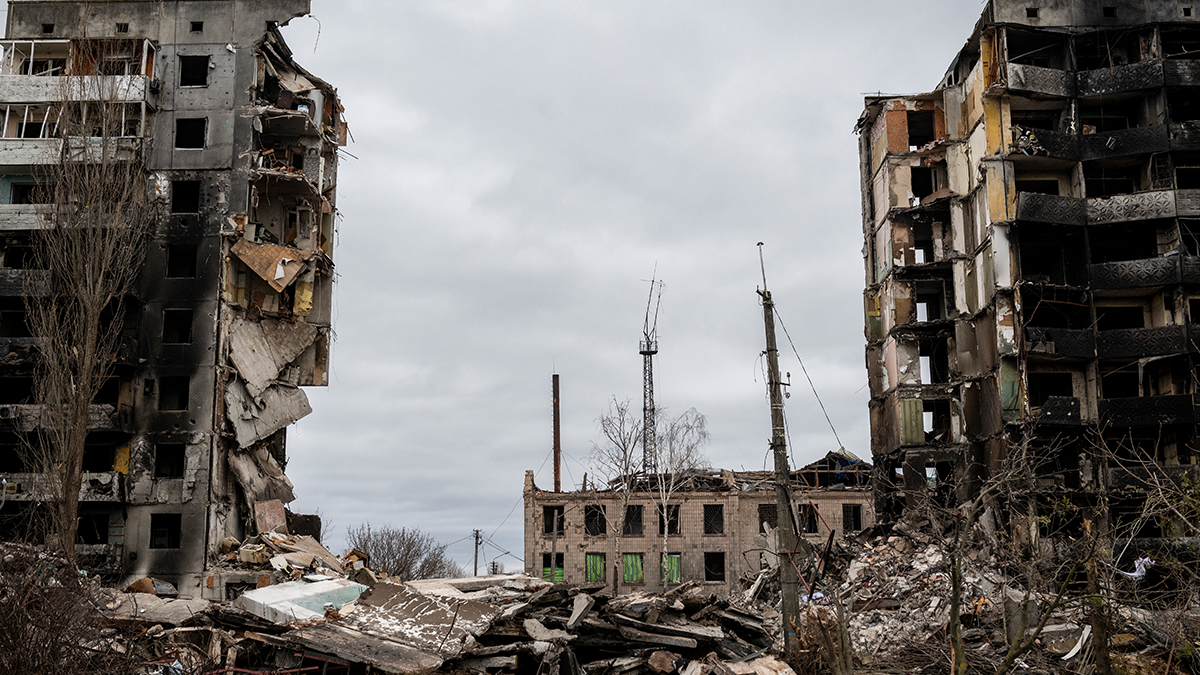
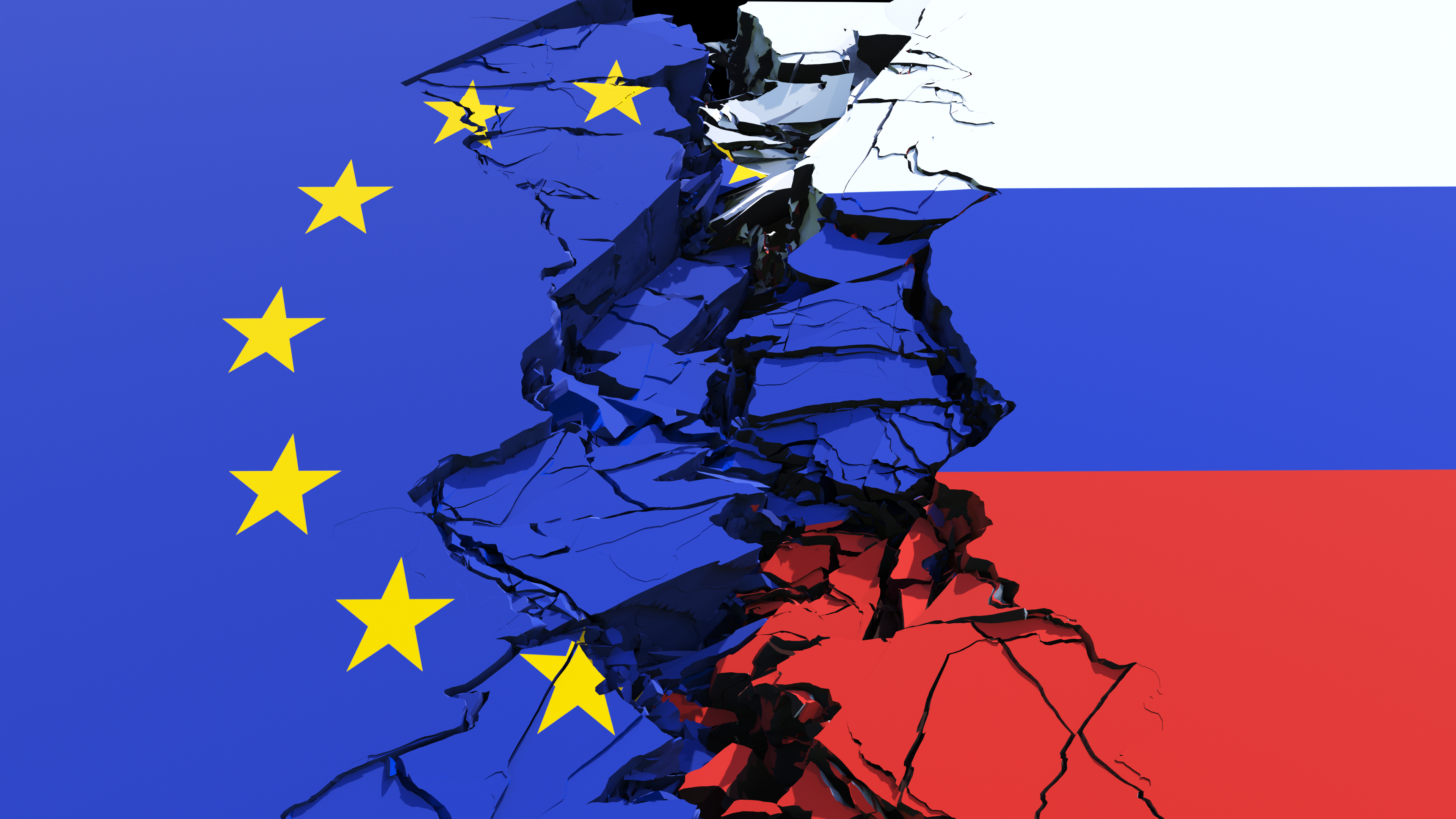
➁ The use of sanctions, secondary sanctions and industrial policy are all producing structural changes in how and where global business is conducted. “We are going to see the use of these tools increasingly because they are the foreign policy tools of choice,” Shenai predicted. As the U.S. and EU ramp up their attempts to punish Russia for its invasion of Ukraine and constrain China from acquiring sensitive dual-use technologies, including advanced microchips, these tools are evolving, Shenai said. And they’re not one-size-fits-all. “Sanctions can be comprehensive. Think Iran. They can be targeted. Think like the Balkans….” Shenai said. “Think of Russia, Venezuela, where there are sectors of these countries or regions being placed under specific types of sanctions. On top of that, there are export controls,” which are being used not just to limit export of sensitive technologies, but to degrade Chinese economic competitiveness.
➂ Beyond the Treasury Dept., a slew of other U.S. government agencies are making news on sanctions, export controls and industrial policy, and journalists need to cover them. Bryce Barros, China Affairs Analyst for the Alliance for Security Democracies at the German Marshall Fund, shared a who’s who of US agencies involved in sanctions and their enforcement. Many journalists might not have heard of them. For example, the Office of Intelligence & Analysis at the Treasury Department collects and coordinates intelligence about who should be sanctioned and who is evading financial sanctions. Commerce’s Bureau of Industry and Security is the agency that held the list of the 31entities that were sanctioned to stymie China’s ability to develop advanced semiconductors, Barros explained. And the Department of Defense and the Committee on Foreign Investment in the United States are also players.

➃ Deglobalization is controversial. And it’s a huge story. Even while the unprecedented economic retaliation against Russia and the pushback against China enjoy broad public support, there are concerns about US and EU overreach, the speakers said. Meanwhile, the EU is implementing its own sanctions policies, with the main goal of keeping its member states united, Barros said. Bloomberg national security reporter Daniel Flatley said these tensions provide excellent fodder for journalists. “There’s a lot of territory to mine in terms of how the sanctions are being used, where they’re falling short, where they’re going too far, how businesses are reacting to them, whether they’re achieving what they set out to achieve,” Flatley said.
➄ Journalists need to separate the sanctions stories from the larger trend stories about economic statecraft. Broadly speaking, there are three kinds of stories, explained Daniel Flatley, national security reporter at Bloomberg News in DC. There are daily stories driven by governments announcing new sanctions or export controls – market-moving stories reporters may have to file in as little as 15-minutes, Flatley said. Journalists need to do their homework and learn about the workings of sanctions to cover those. There are source-driven scoops, which can come from companies affected by government action (since officials in Treasury or the Committee on Foreign Investment in the United States are often prohibited from talking to journalists.) Finally, there is a larger story about economic pressure, including coercion, that is being used by the US, the EU, China and Russia to afflict adversaries, contain rivals, and accomplish their political goals. “The third category is this reaction or context,” Flatley said. “Those are not stories that you’re going to be able to do every day when you’re trying to break news, but every once in a while, you may have an opportunity to step back and look at the cumulative effect of some of these measures and the reaction.”
This program was sponsored by the Hinrich Foundation. NPF is solely responsible for the content.