5 takeaways:
➀ Bioenergy is a vital part of the climate solution, scientists and industry say. Kim Cesafsky, director of sustainability at Enviva, the largest U.S. manufacturer of wood pellets, said the Intergovernmental Panel on Climate Change has included biomass as a key component in limiting warming to 1.5-degree Celsius. (See scenarios in the IPCC report.) The International Renewable Energy Agency claims that bioenergy use must “increase six-fold in order to reach net-zero by 2050,” Cesafsky added. Policymakers in the EU and elsewhere have also incorporated biomass alongside other renewable energy sources in their climate policies. “Wood biomass is being used today as a vital complement to wind and solar to directly displace coal and electricity and combined heat and power generation while also promoting good management and carbon storage in working places,” Cesafsky said.
➁ Not all biomass is good, and not all biomass is bad. Enviva said “good” biomass is made from “low-value wood that is a by-product of a sawmill operation or a planned traditional timber harvest.” The by-products can be distributed from forests as limbs, tops, thinnings, low-value smaller trees or residues like shavings or sawdust. Good biomass also comes from a forest that is returned to the forest after harvest and not from land that will be converted to agriculture or development. (See this slide on “good” biomass.) Environmentalists claim that there isn’t enough “waste” wood for the growing wood-pellet export industry, so critical forests will be cut. Enviva denies this.
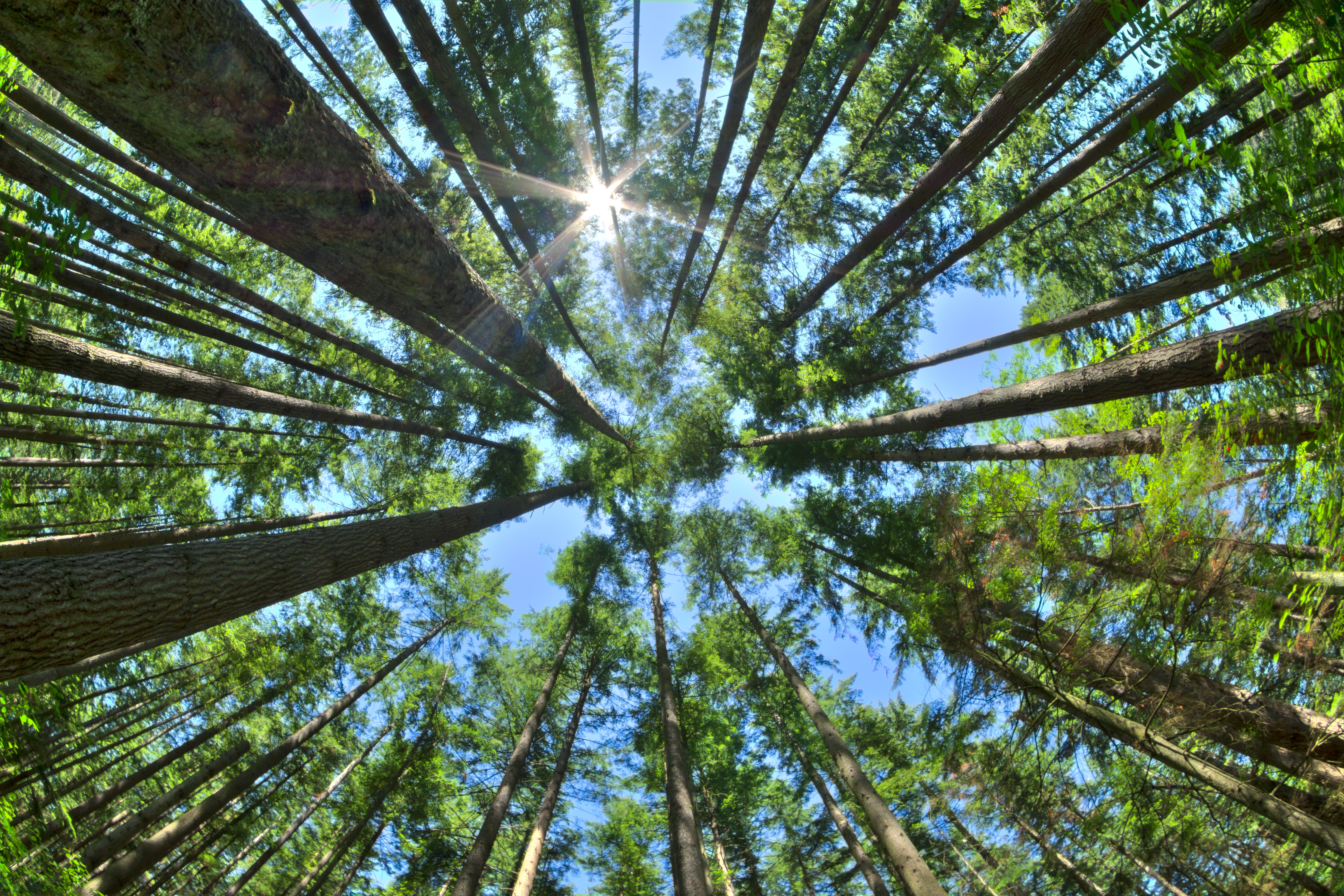
➂ The U.S. Southeast is one of the world’s largest forest regions and supplies 20% of global timber. “The forests in our region are greater than or equal the total amount of forest land in Sweden, France, Finland, Spain, Norway and Germany combined,” Cesafsky said. (See this slide.) The forests are mostly owned by small private landowners who have been harvesting timber from them for well over a century. The southern forests are “arguably our biggest sustainability success story. The climate benefits of biomass are only true if that biomass is sourced from sustainably managed forests or if it’s good biomass,” Cesafsky said.
➃ Biofuel carbon emissions trump fossil fuel carbon emissions. Fossil fuels have been stored underground for 300 million years, and their emissions are one-directional…up into the atmosphere, said Gert-Jan Nabuurs, a professor and researcher at Wageningen University. “There’s no way you can see this as a cycle,” he said. Biofuels are produced from renewable feedstocks. “When wood is burnt, it’s taken up by trees and the growing forests, and that’s a hundred percent different situation,” Nabuurs explained. An EPA report on the economics of biofuel says biofuels can potentially reduce some undesirable aspects of fossil fuel production and use, including conventional and greenhouse gas pollutant emissions and dependence on unstable foreign suppliers. Demand for biofuels could also increase farm income, the report said.
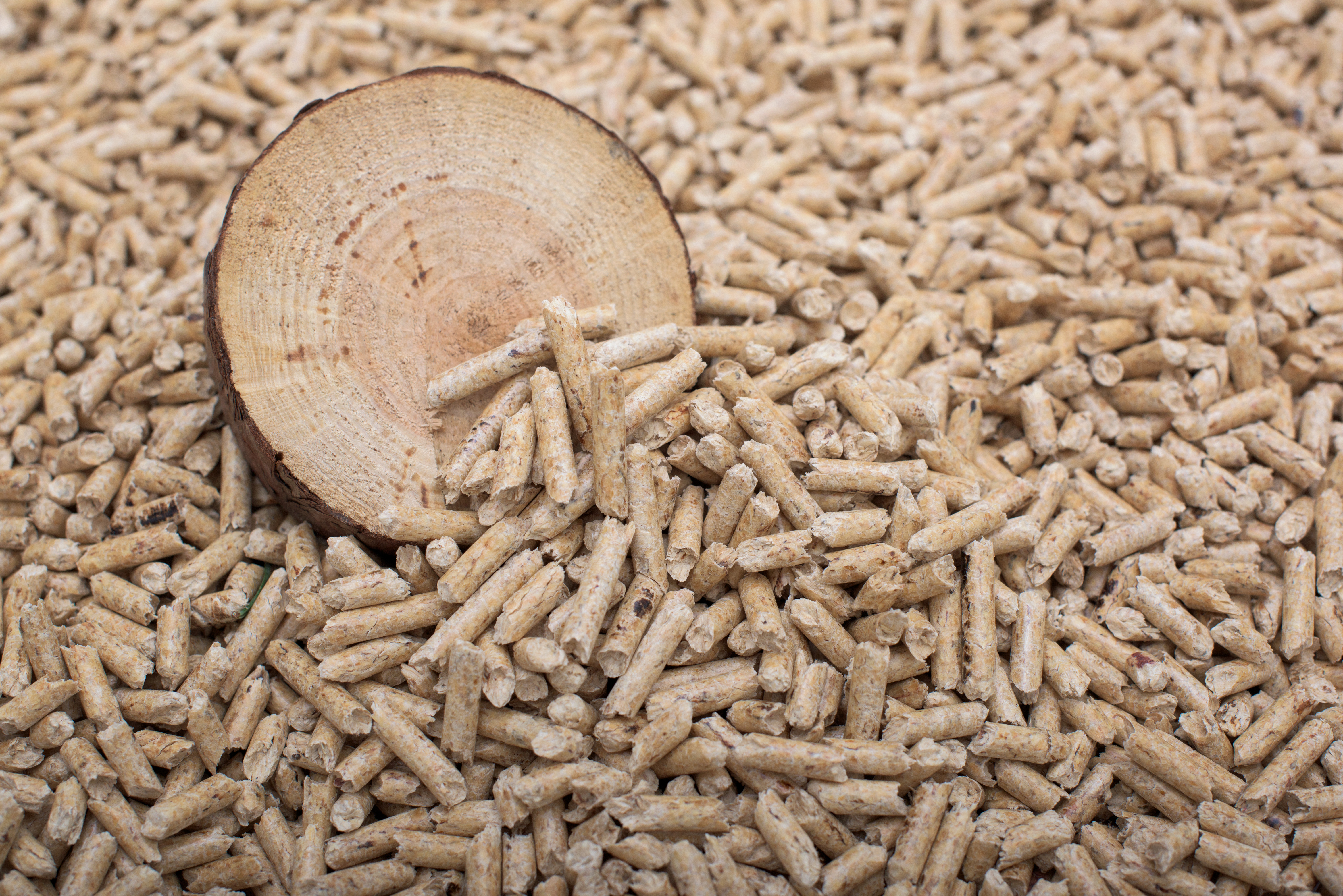
➄ The wood pellet production process begins with sourcing wood in the U.S. Southeast. These working forests provide one-fifth of the wood used globally each year, according to this presentation slide. Yana Kravtsova, vice president of environmental affairs and chief compliance officer at Enviva, said the wood then goes to Enviva’s 10 facilities to be sized and dried. “Essentially, we take water out of wood. And then what about the bark we have from low-value wood? We use it as fuel, so we don’t waste anything at our facilities,” Kravtsova said. After the chips are dried, they are sliced into a smaller size before going through a pellet press. The pellets are then transported to storage facilities at Enviva’s port terminals until there is enough volume to bulk ship it on cargo to customers. “No chemical use at all at any part of our process…Like all manufacturers in this country, we are heavily regulated,” Kravtsova said.
Speakers:
Kim Cefasky, Director of Sustainability, Enviva
Yana Kravtsova, Vice President of Environmental Affairs, Chief Compliance Officer, Enviva
Gert-Jan Nabuurs, Professor and Researcher, Wageningen University
This program was funded by the David and Lucile Packard Foundation. NPF is solely responsible for the content.