During this era of anti-diversity initiatives and attempts to erase historical contributions made by non-white Americans, journalists of color can often feel the added challenge of how or when to lean into their lived experience.
University of Kansas assistant professor Melissa Greene-Blye definitely understands that conundrum. During her 20 years as a broadcast journalist, her identity as a member of the Native American Miami Tribe of Oklahoma was often questioned due to her blonde hair.
“I did literally have one news director in the Southwest solicit my resume reel, got it, reviewed it and said, ‘Oh, I cannot hire you out here. The Natives would go nuts.’ ” Other newsroom managers held pre-conceived, often incorrect ideas about Native American identity and expected her to conform.
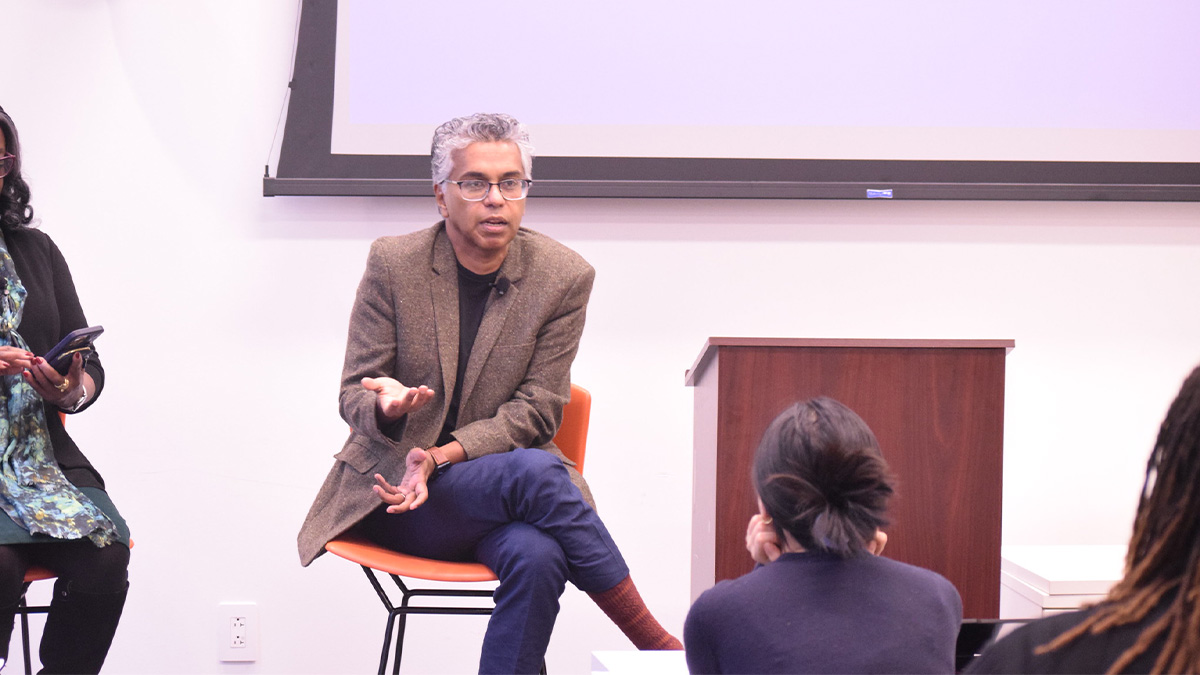
Years later, as director of the University of Kansas Center for Indigenous Student Media, Greene-Blye shared her powerful message about leveraging one’s lived identity as a journalist of color with NPF Widening the Pipeline fellows.
At the university, she helps Native American students and early-career journalists embark on a path into media careers where traditional outlets have failed to accurately cover Indigenous communities, fueled by a combination of fear, ignorance and a reliance on harmful stereotypes.
“My work is my way of, I hope, helping that next generation not feel like they have to make those decisions and silo their identities in the ways that I so often felt like I had to in order to succeed,” she said. Greene-Blye is also a board member with the Indigenous Journalists Association, which has produced several guides to help in that endeavor, including the Indigenous Identity Reporting Guide and the Tribal Nations Media Guide.
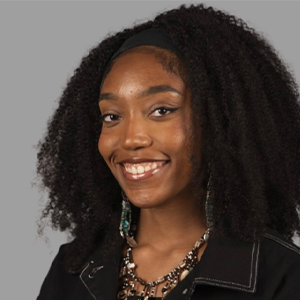
Greene-Blye was joined by one of the 2026 Indigenous Journalists Association Fellows, who echoed her message of authenticity and persistence. Lauryn Callis is a Muscogee (Creek) and Cherokee Afro-Indigenous storyteller, filmmaker, and graduate student at the University of Kansas. Her work centers on Black and Native histories and community-based storytelling.
Callis related the concept of “visual sovereignty,” which she defined as the right and responsibility for communities to control their own narratives and represent their full humanity, including joy and humor, not just trauma. She also made the case for relationality in journalism, emphasizing building trust and genuine connections over transactional interactions.
For Callis, who embodies both Black and Native American lived experience, there’s one immutable bottom line for journalists of color.
“Don’t be afraid to be yourself. I just always emphasize being who you are at your core, no matter what environment you’re in, because you carve out the lane for yourself. And then also when it comes to reporting, I say focus the most on relationality because like I said, we are taught in these molds to present ourselves a certain way, very structured. But if that’s not who you are at your core, people, like I said, will feel that energy.”
Access the full transcript here.