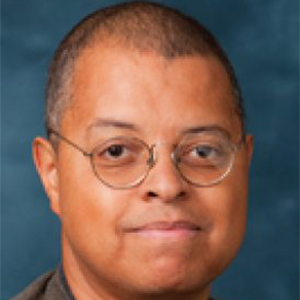
In the 2000 presidential election, Democrat Al Gore won the popular vote, but George W. Bush won the electoral college vote after taking Florida by fewer than 600 out of 6 million votes. It was this historic event that led political scientist and statistician Walter Mebane to develop election forensics, or “eforensics,” just a few years later. He has since dedicated his life to the research method that answers the question: is an election outcome accurate?
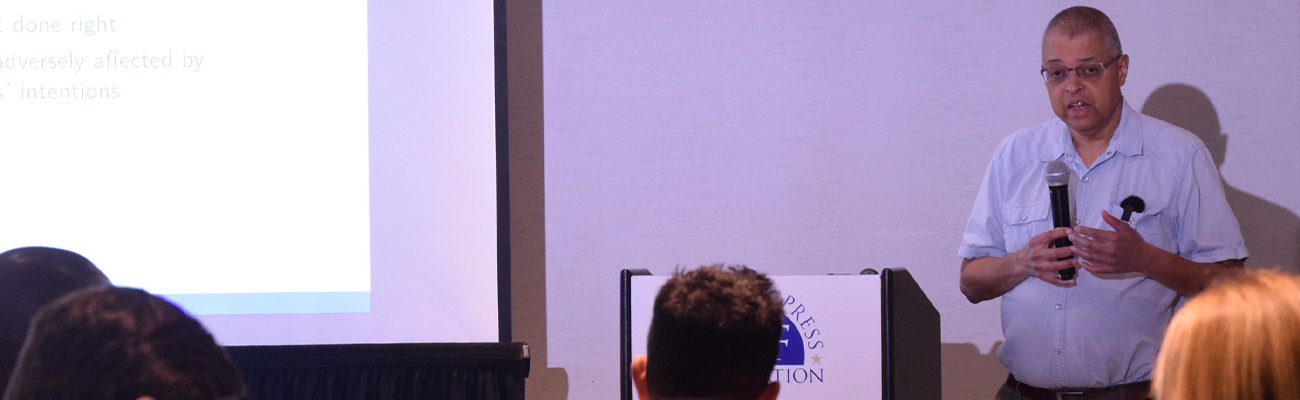
“Election forensics is using statistical methods to determine whether the results of an election accurately reflect the intentions of the electors,” professor Mebane told NPF’s 2024 Election Fellows.
Procedural Fraud vs. Realized Fraud
He explained two main categories of election fraud: procedural and realized.
Procedural fraud is already heavily researched because it’s easily observable. Mebane, who has analyzed about 600 elections in the U.S. and around the world, said it can involve anything from assassination attempts to long lines at voting centers — actions that interrupt the flow of the democratic process.
Mebane takes issue with the focus on procedural fraud, however. He believes that observances of procedural frauds cannot determine whether an election outcome is accurate because there is no way of knowing if those frauds changed the actual vote count.
In response, Mebane developed the term “realized fraud,” which he defines as a situation where the election outcome is a result of “malevolent distortions of the voters’ intentions.” Mebane believes this definition is better suited for fraud research because it focuses on the end results of elections.
At the precinct level, eforensics estimates how many votes were “fraudulent.” The only data it uses is the count of the number of eligible electors, registered voters, the number of votes cast and the votes cast for a particular candidate.
For instance, Mebane found in the 2004 presidential election, there was a .04 increase in eforensics frauds in Ohio in precincts near megachurches.
“The things to ask about any of these methods … is one, have they adjusted for basic political variables … and second, is the method able to discriminate frauds, from strategic behavior, from lost votes – which could be voter suppression or the election wasn’t close enough to make me participate in it – many methods don’t do that.”
Mebane encourages journalists to “sharpen” their questions of people who allege fraud to ask for evidence – and, on the other hand, when there is no evidence of fraud, to explain the election audit process.
Access the full transcript here.
This program is funded by Arnold Ventures. NPF is solely responsible for the content.


 Reload document
 Open in new tab