A top Secret Service official appealed for the public’s help in thwarting incidents of mass violence, as a recent study concluded that at least three-quarters of attackers exhibited troubling behavior noted by family members, co-workers and other associates before they struck.
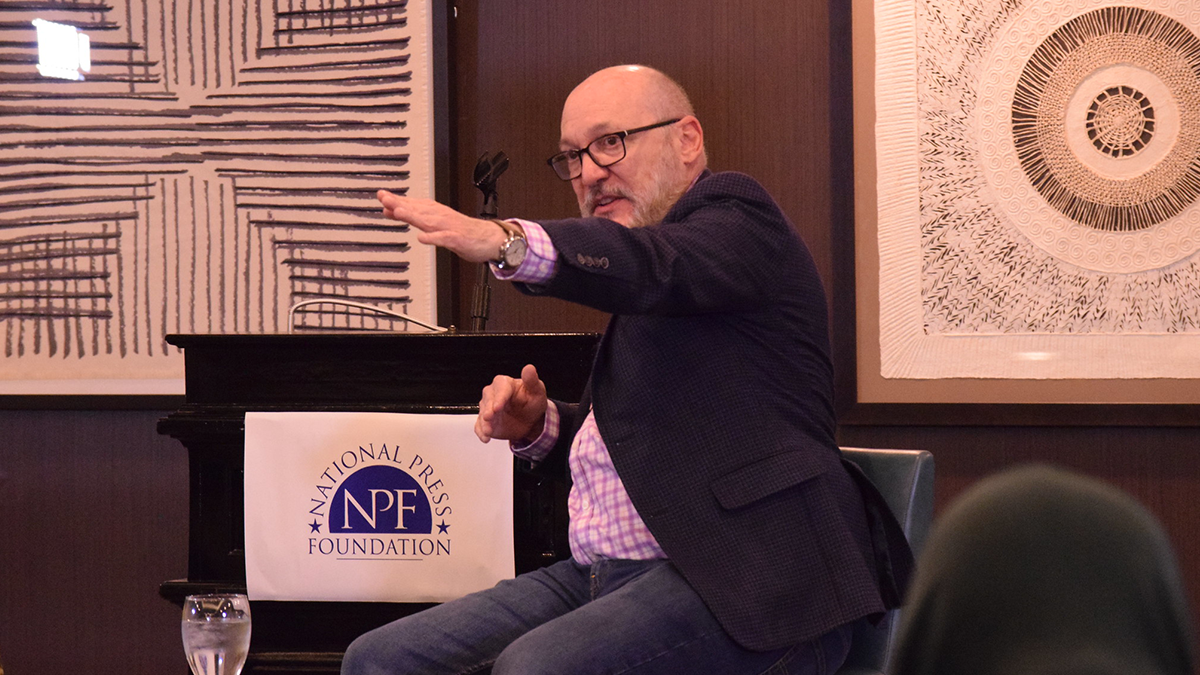
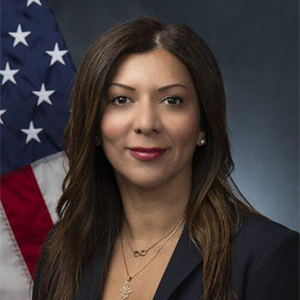
Dr. Lina Alathari, director of the National Threat Assessment Center, told the National Press Foundation’s Paul Miller Reporting Fellowship class that additional community training was needed to prompt intervention by family members, mental health professionals and law enforcement authorities when made aware of threatening behavior.
Alathari referred to a five-year study of 173 mass violence incidents released this year by the National Threat Assessment Center that also found one-third of attackers were prohibited from obtaining firearms under federal law but acquired them through fraud, theft or transactions avoiding background checks.
The Secret Service official’s remarks come less than a month after a U.S. Army reservist killed 18 people in Lewiston, Maine, during attacks at a local bar and bowling alley. Authorities later acknowledged that the attacker’s family had reported concerns about the man’s deteriorating mental health and his access to weapons. Members of the attacker’s Army unit reported similar concerns.
FBI Director Christopher Wray has also warned last month of a heightened risk of violence in the U.S., spilling over from the Israel-Hamas war. Wray told a Senate committee that the conflict in the Middle East had “raised the threat of an attack against Americans in the United States to a whole other level.”
The Secret Service report defined incidents of mass violence as causing harm to three or more people.
Just more than half of the attacks reviewed, Alathari said, were driven by grievances related to personal, domestic or workplace problems. Nearly 20% were attributed to motives involving ideology, politics or bias.
The Paul Miller Washington Reporting Fellowship is funded through the National Press Foundation’s Annual Awards Dinner. Reserve your table now. Applications for the 2024 Paul Miller cohort are open. Apply by Dec. 4, 2023.


 Reload document
 Open in new tab