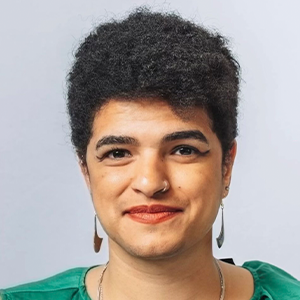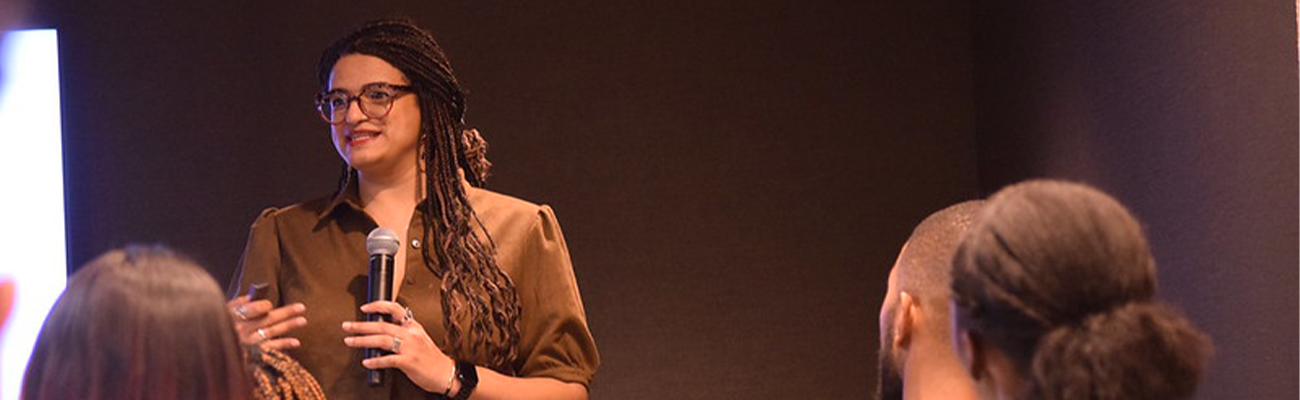
When Jeje Mohamed began working with journalists, she quickly realized that safety is not just physical or digital; it is holistic. She applies this approach when training journalists to assess risk and prioritize mental health.
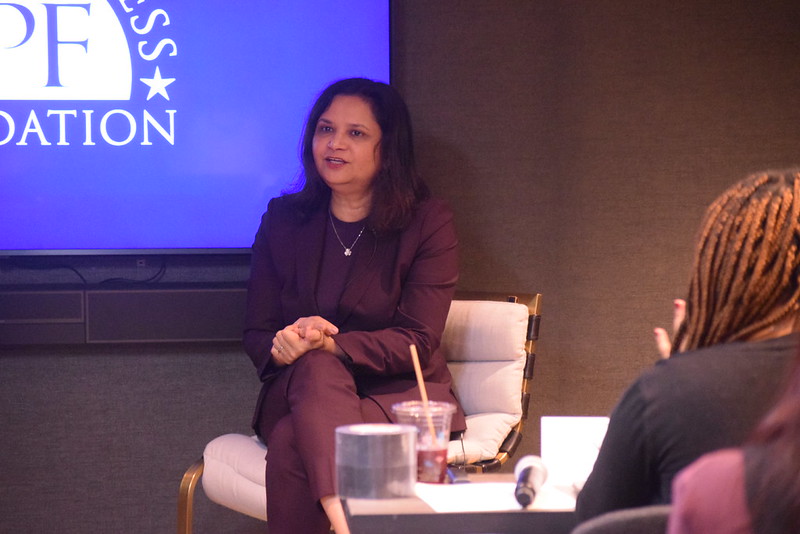
Mohamed, managing partner and co-founder at Aegis Safety Alliance, told 2026 National Press Foundation Widening the Pipeline fellows that digital risks, including doxing, can escalate into physical threats. A journalist’s race, gender, nationality and sexual orientation may have a huge impact on how they are perceived by audiences and dictate the kind of threats they face.
Mohamed recommends conducting proper risk assessments to ensure journalists are prepared. By identifying vulnerabilities and preparing for likely scenarios, journalists can reduce risk and minimize potential harm.
She said such assessments are essential not only for protecting against physical threats and violence but also for preserving mental health. Exhaustion and trauma can impair decision-making skills. Mohamed encouraged fellows to cope ahead of time by identifying personal triggers and sharing them with colleagues to form support systems during stressful assignments.
Watch the full session below, and access the full transcript here.