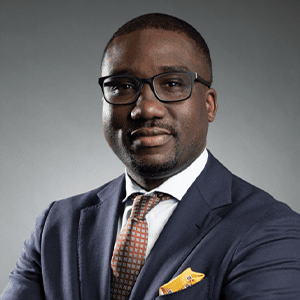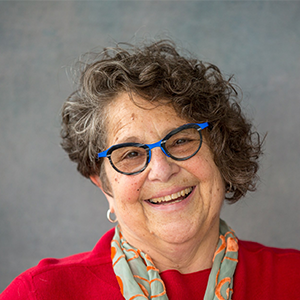
Adults are living longer, which means they’re working longer. In today’s workplace, five generations are coexisting: Traditionalists, Baby Boomers, Generation X, Millennials and Generation Z. Companies need to recognize the value of this diversity, AARP’s Vice President of Global Thought Leadership Jean Accius told Living Longer Fellows as he moderated a panel with Brookdale Center for Aging’s Executive Director Ruth Finkelstein and author Jacqueline M. Baker. [Transcript | Video]
5 takeaways:
➀ Executives should do more than just talk about the value of a multigenerational workforce. “We’ve done some research, surveying over 6,000 C-suite executives from all of the OECD countries and found that 83% of executives value a multi-generational workforce,” Accius said. Yet, 53% don’t include age in their Diversity, Equity and Inclusion policies. Accius said now is the time to ask what policies are in place to nurture inclusion or a successful multi-generational workplace.
➁ Age discrimination stifles economic growth. Age discrimination costs the U.S. economy $850 billion in 2018, an AARP report found. “And if we do absolutely nothing, it’ll be about $3.9 trillion by 2050,” Accius said. Connecting the workplace with the marketplace is important as it can help drive strategy in the workplace and workforce.
➂ Radical flexibility could work for people of all ages. Ruth Finkelstein has been thinking a lot about the concept of radical flexibility in the workplace. It’s more than just a hybrid work environment. It’s asking the employees “When is it good for you to work?” and “When can you never work?” When she offers that advice, employers often say building out the schedule would be too complex. However, Finkelstein says this type of flexibility would ensure there’s talent always working – the grandparent, parent or student – because they would be able to work when it’s best for them and not necessarily at the same time.
➃ Mentor-Mentee pairs can help foster a successful multigenerational workplace. Feeling valued is critical no matter your age, Jacqueline M. Baker, author of “The Unexpected Leader,” said. “I think we have an opportunity to have this reciprocal wheel of value, where people feel valued independently of if you’re 17 or you’re 77.” One way to do this is forming mentor-mentee relationships, Finkelstein said. “There’s a beautiful write-up in The Times of an investigative reporter, a younger journalist who said, ‘Take me under your wing, show me how to do what you do.’ And that reporter said, ‘If you show me how you’re posting on social media and turning these things into visuals so immediately.’” These bonds can happen organically, but institutions can also set structures that help nurture them.
➄ Occupational segregation is a real thing. Finkelstein said that despite societal advances, there are still jobs that are women’s jobs and jobs that are men’s jobs. There are jobs for women who are Black and brown and there are jobs for men who are Black and brown, she said. These jobs sort by skill level, educational requirement, and opportunity for advancement. “And it goes without saying, so I’ll say it anyway, they sort by wages and benefits.” The most important investment society can make is improving the quality of education for all, no matter where someone was born or when they were born, Finkelstein said.
This program is sponsored by AARP. NPF is solely responsible for the content.