The Trump administration’s One Big Beautiful Bill Act (OBBBA) is expected to eliminate health coverage for 10 million people over the next decade.
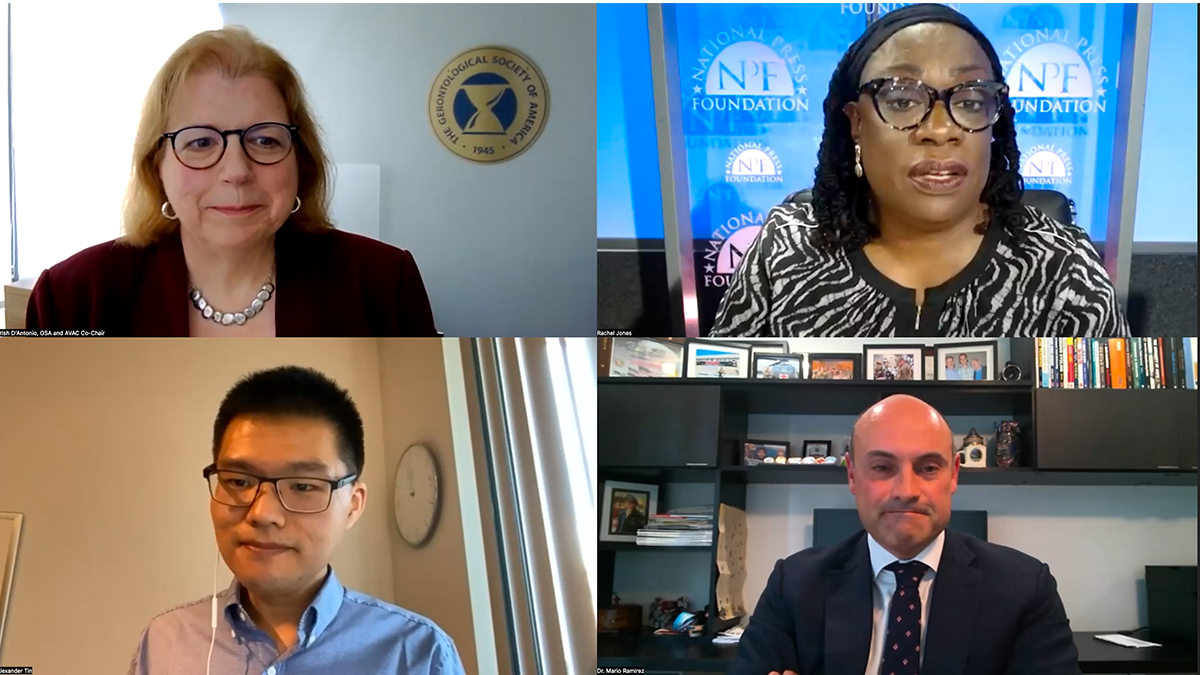
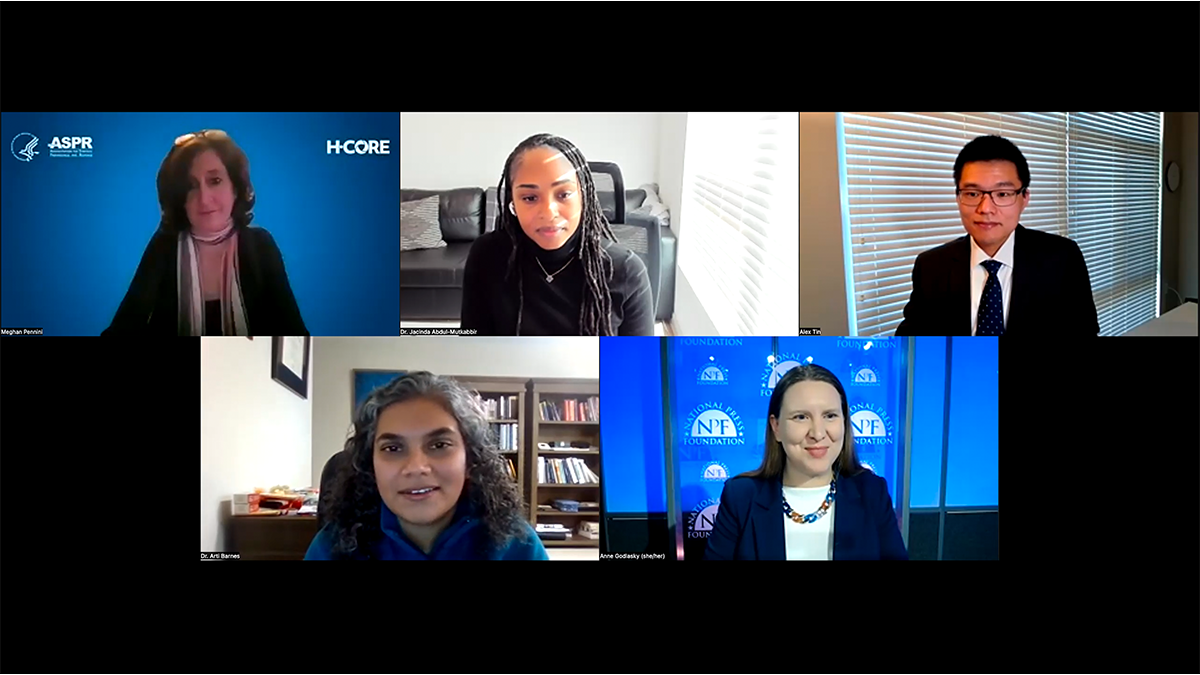
On Sept. 3, the National Press Foundation interviewed experts who shared critical insights about the legislation and provided context for journalists to produce relevant stories about the new policy changes. An estimated 70 million children, older adults, and people with disabilities rely on Medicaid for essential care, and journalists can help communities understand and prepare for possible outcomes of federal health policy shifts.
OBBBA’s Impact on Health Systems Will Differ By State
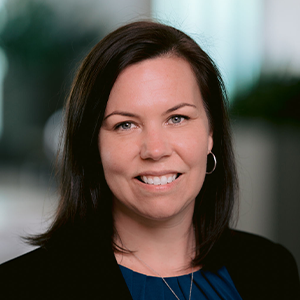
Navigating different rules across states is a key concern, according to Julia Drefke, a public and community affairs executive with Adventist Health, a health system with facilities in California, Oregon and Hawaii.
“While the federal framework is uniform, each state is going to interpret operational requirements to reflect their own regulatory changes, whether that’s through their own Medicaid structure or their payer landscape. So that means that we’ll be dealing with not just one set of changes, but possibly three distinct regulatory frameworks,” she said.
Administrators are bracing for how states will respond to the reduction in the Medicaid federal match.
“States will have different capabilities on backfilling those losses,” she said. “What we’re trying to do is we’re looking at this challenge, making sure that policies don’t pull us in different directions, that we don’t create inefficiency, drive up administrative costs and compromise care.”
Drefke says the OBBBA doesn’t make a distinction between for-profit and not-for-profit Medicaid providers.
“Not-for-profits tend to go into communities that are harder to serve. It’s our mission … so I would say that not-for-profit hospitals and not-for-profit clinics are probably going to be disproportionately impacted through this just because of, generally speaking, the communities that we end up serving through our mission.”
Before joining The Texas Tribune as a Washington correspondent, Gabby Birenbaum reported on policies in the Medicaid expansion state of Nevada. The pivot to a non-expansion state with one of the strictest Medicaid programs in the country required a deeper analysis of what’s at stake in OBBBA policy shifts.
“I think there certainly are concerns, particularly in rural areas where the payer mix certainly is more reliant on Medicaid and in places like the Rio Grande Valley, which has a lot of Medicaid users. But for Texas, I think a lot of the concern is with the Affordable Care Act, because Texas has such a strict Medicaid program, the ACA has really backfilled for a lot of people what would be the expansion population in other states. And so I think that’s an area where hospital systems advocates have an enormous amount of concern.”
Find Stories in Medicaid Work Requirements
A major change in the OBBBA is the mandatory work requirements for adults in the Medicaid expansion population. This would require 80 hours a month of qualifying activities that could be work, enrollment in school or volunteering, with exemptions for pregnant women, individuals with disabilities, and parents with dependent children under the age of 14.
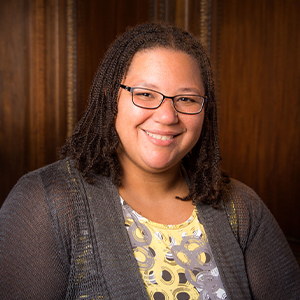
“A key thing to note about the exemptions, we won’t know exactly what the criteria for determining or applying for those exemptions are until CMS releases guidance,” said Akeiisa Coleman, senior program manager with The Commonwealth Fund. “It also increases the cost to administer Medicaid at the state level. So eligibility and enrollment systems have to be updated so that they can do the verification of employment or other community engagement activities, which that in itself is a pretty heavy, big task. ”
Dr. Gary Wiltz contrasted work requirements Kentucky implemented in 2017 with Medicaid expansion in Louisiana in 2016, which led to increased diagnoses and treatments of cancer, hypertension, diabetes and other major health issues.
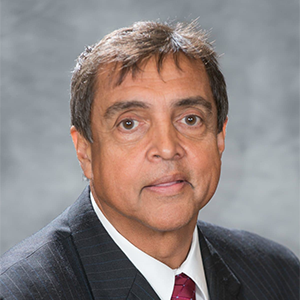
“A lot of you remember when they put those work requirements and knocked a whole bunch of people off the rolls,” said Wiltz, who runs a network of 16 Federally Qualified Community Health Centers in seven parishes in southwest Louisiana. “We don’t have to guess on what the impact is going to be.”
Wiltz said he’s witnessed the unintended consequences of legislation that looks great on paper.
“I’ve seen patients that got kicked off Medicaid in the middle of breast cancer treatment that died. So we know that is going to happen. People with the populations we deal with are complicated. They use burner phones, they’re hard to access … I belong to the National Association of Community Health Centers. We’re serving 34 million people, the largest primary care network in the nation. About half of our funding comes from Medicaid. So it’s going to be a big challenge with unintended consequences.”
Healthcare Issues Journalists Should Follow
A recurring theme among the speakers was that “the devil is in the details,” meaning that many of the effects of the OBBBA on healthcare have yet to play out. Here are areas where they think journalists should be paying attention:
- What Medicaid provides beyond healthcare, such as transportation in rural areas and language assistance. “People don’t fully appreciate the ripple effect of having that coverage provides to our citizens,” Wiltz said.
- The “chilling effect” of immigration enforcement on people seeking care for themselves and their children, even if they have the necessary documentation.
- How SNAP and CHIP cuts will impact health (for instance, Meals on Wheels preventing starvation for aging populations).
- The “gray areas” – for instance, able-bodied people will have work requirements, but how is “able-bodied” defined? What about people with partial disabilities?
- Address verification and what that will mean for homeless people or those with insecure housing.
Regardless of what you follow, talk to as many people on the ground as possible, suggests Birenbaum.
“Every state has a ton of orgs that advocate, particularly in the children’s health space, that I found really helpful to give me overviews of what sort of fight has been at the state level up to this point … hospital organizations have been helpful, associations, free clinics … people who have worked for past governors or state senators, state legislators,” she said. “I’ve just really relied on a lot of the various organizations that have been in Texas, in my case, on the ground, doing the work for years, both in the policy space and in the healthcare space.”
Access the full transcript here.
This webinar was sponsored by The Academy Advisors, an alliance of the Health Management Academy. NPF is solely responsible for the content.


 Reload document
 Open in new tab