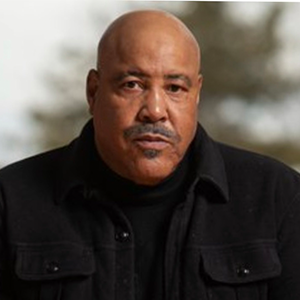
When Murray Pierce arrived in Missoula, Montana, from Cincinnati in 1974, the culture shock was real. He was one of 11 Black football players from Ohio’s all-state high school team who were recruited to play for the University of Montana Grizzlies, and Pierce’s father believed that the experience would “make a man out of him.”
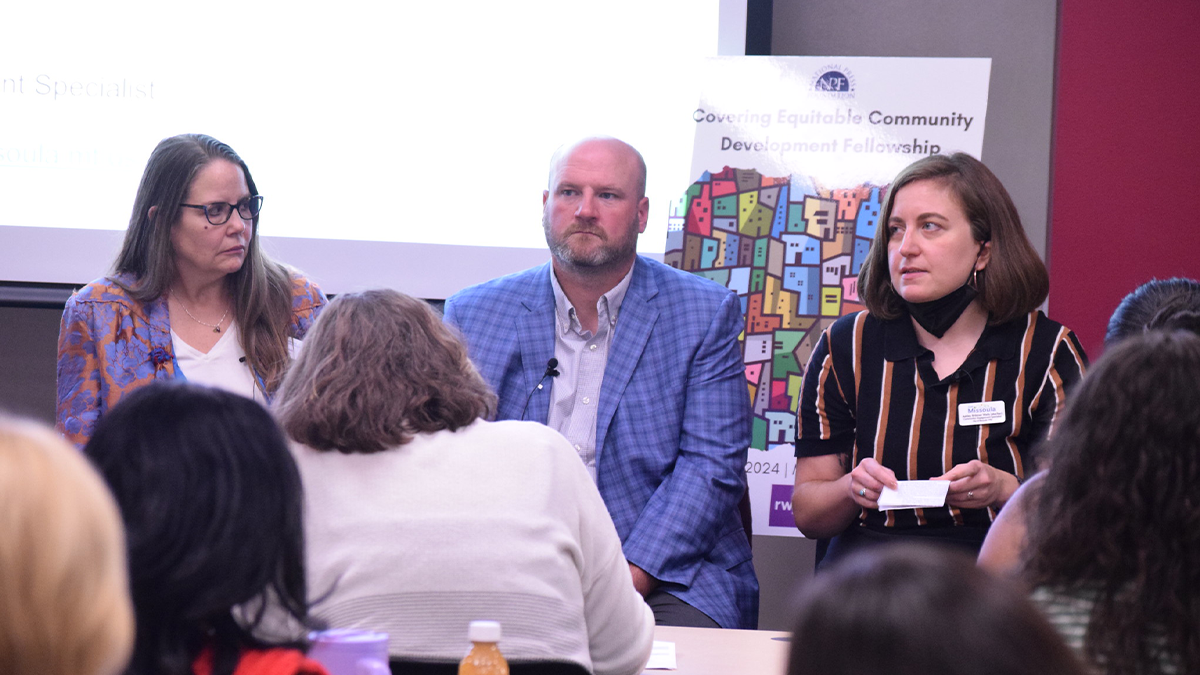
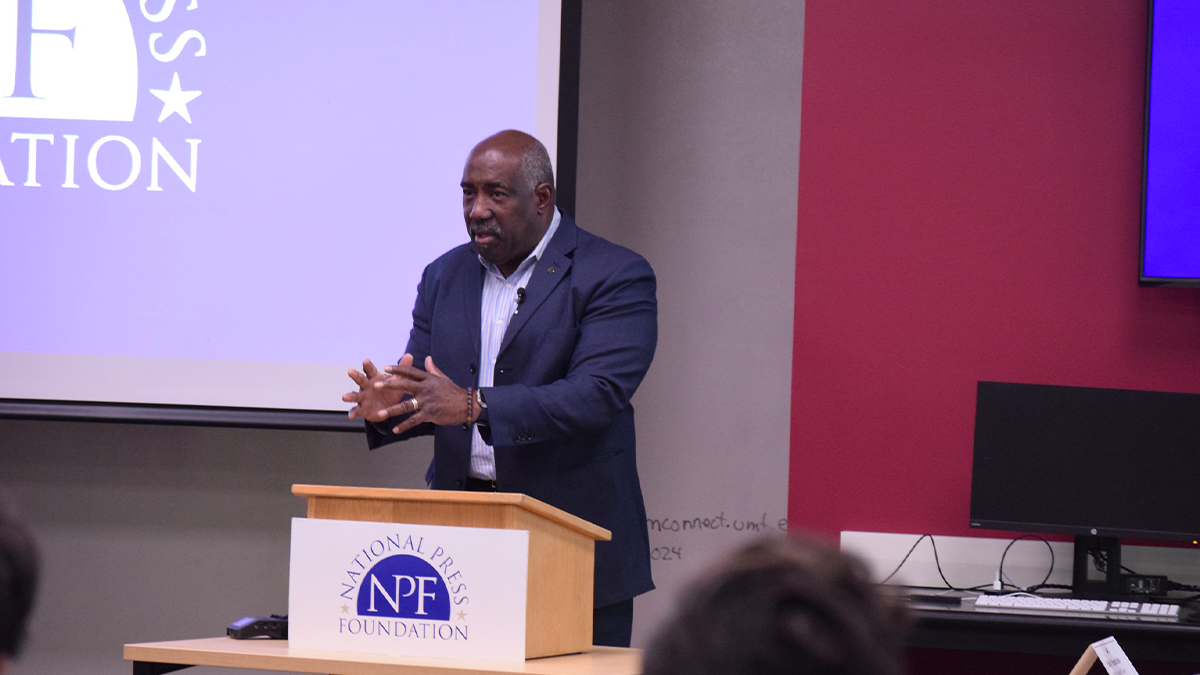
Coming from a Black, German and Jewish neighborhood and attending a predominantly Black high school meant that “a lot of adjustment went on, a lot of unlearning had to happen while I was here, too,” Pierce told NPF Covering Community Development fellows on October 9. His recollections laid the foundation for a discussion about how to center diversity, equity and inclusion when your community’s numbers are small.
According to U. S. Census data, in 2022, 85.3% of Montana’s residents were white, 4.5% were Hispanic, 0.6% were Black, 5.9% were American Indian/Alaska Native and 1.1% were Asian/Pacific Islander. Pierce believes journalists can help communities connect by sharing stories and lived experiences that ease suspicions and uncertainties.
“What I find that we’re fighting against, to a very large degree, is that fear. Find out where that fear comes from, how it manifests itself, how people pretty much internalize that.”
That’s what Pierce and other Black students at the University of Montana had to try to do in 1974, and it created a sense of automatic community.
“Community was incredibly important at that time,” Pierce said. “Back then when there was a lot of negativity, when it was easier to cast aspersions, folks could say what they want to say to your face and walk away and do those things. But we stood proud and strong.”
With the leadership of the late Ulysses Doss, the founder of the university’s African American Studies Department, Pierce and other students carved out a solid identity on campus and in the community. Today, Pierce is director of multicultural affairs at the University of Montana and a co-founder of the Montana Black Collective, a self-described social justice and Black activism organization based in Missoula.
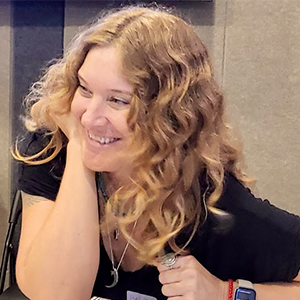
For Heidi Wallace, a white Montanan who grew up on the Fort Peck Reservation in northeast Montana, summers on her grandfather’s farm in Wolf Point were her introduction to the complexity of diverse communities.
“I was immersed in a lot of stereotypes and prejudices towards the Indigenous people in Wolf Point,” Wallace said. “It was a literal physical division of othering in the town. That was one perspective. Then I had the romanticized perspective because I was able to go to powwows and celebrations and see this total other perspective of Indigenous culture.”
“I got these really conflicting perspectives of the indigenous people of Montana. I didn’t have the language to ask questions. I didn’t have the opportunities to build friendships across those group lines. I really feel like that was my driving force for wanting to deepen my understanding about, not only indigenous people in Montana, but people different from me.”
Today, Wallace is the executive director of EmpowerMT, an organization founded at U of M in 1998 by people working toward anti-racism, anti-homophobia and rights for transgender individuals.
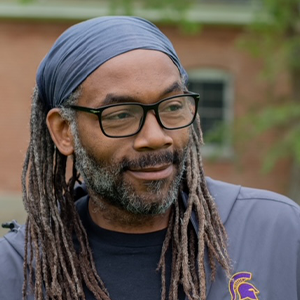
Twenty-five years after Pierce came to Missoula, Rajiem Seabrook arrived from his home in New York City. People like Pierce were important touchstones for him to settle into the community, after an upbringing that merged his father’s upper-middle-class Black background with his mother’s poverty-stricken roots.
“My grandfather and my grandmother and my great aunts and uncles in that side of the family were the Huxtables before the Huxtables knew they were going to be the Huxtables,” Seabrook said. “Literally, the other side of the tracks was my mother’s family who grew up in the South Bronx on Randall Avenue, and grew up in the housing projects, where there were three times as many rats and roaches as there were apartments available and the people within. … I was very dichotomous by nature, choice and design because I had to live in two different worlds and try to navigate that.”
In his current role as director of equity and impact for EmpowerMT, Seabrook said he’s able to leverage his lived experience to form collaborations and engage with residents who aren’t necessarily racist.
“The ignorance back East is by choice because when you walk into a room and you see the diversity in the room, you choose to be ignorant or you choose to be biased, that’s by choice. Whereas places like Montana, due to the siloed geographical location, some of that ignorance is due to lack of exposure and understanding that there’s different ways to look at things and the questions.”
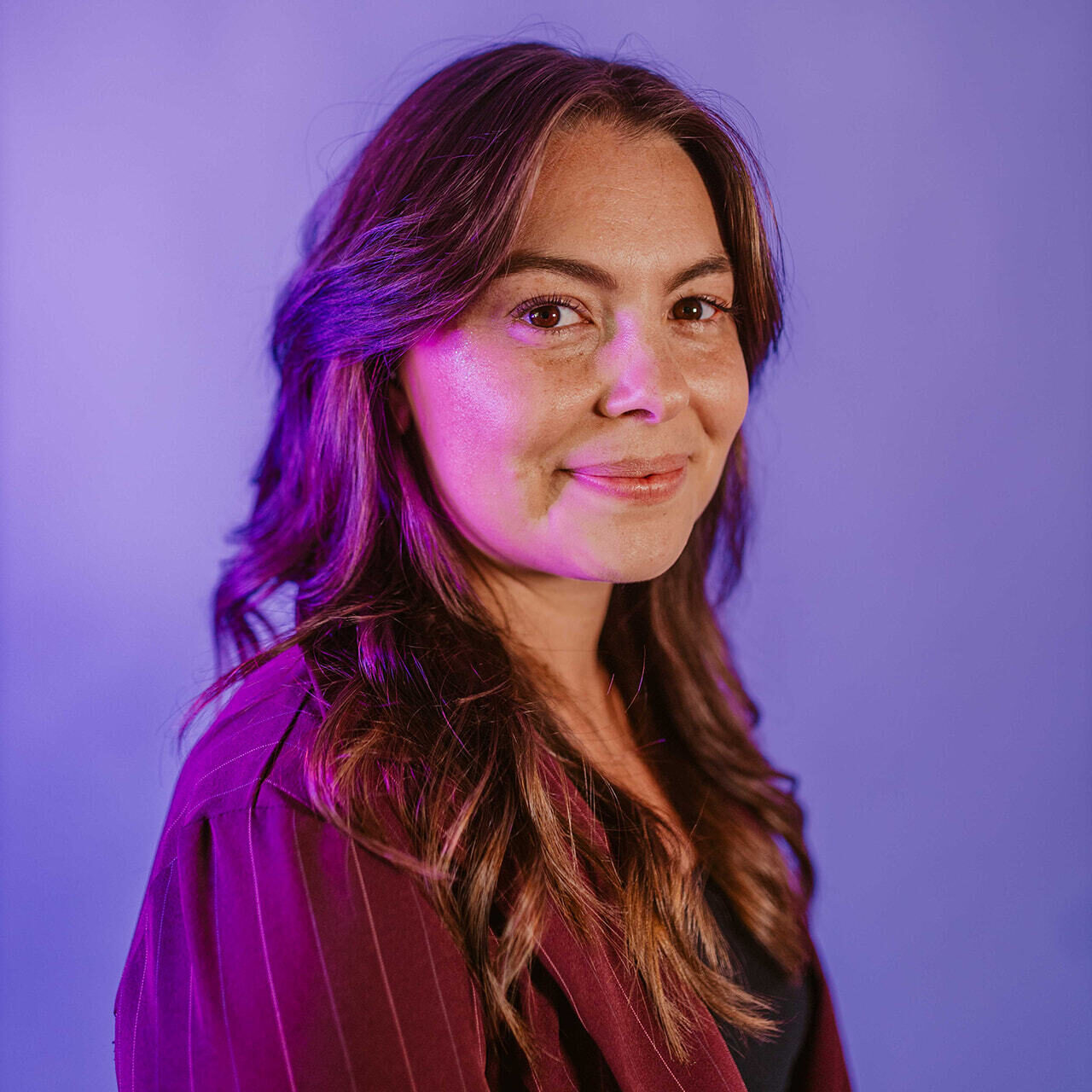
For people like Jess Monis-Hernandez, EmpowerMT’s director of youth engagement, life in Montana has expanded her worldview in unexpected ways as a member of the Hispanic and LGBTQ+ communities. She said she has a new understanding about what it means to feel at home in a new place.
“It’s taken me a while to really understand what does sense of place mean and sense of belonging. I do often feel like a visitor in this space. I’ve been here for almost 10 years, but just trying to find your people constantly, your community, what you feel connected to.”
Monis-Hernandez is grateful for groups like Latino Outdoors and Here Montana, founded by Korean American outdoors enthusiast Alex Kim, that create opportunities for different cultures to interact with nature and learn from each other.
Journalists have a unique opportunity to facilitate that learning, Seabrook said,
“The work just needs to be done, regardless of the lens or the frame that it comes under. We are at a time where you can’t ignore other people. You can’t ignore other people’s narratives. You may try to suppress or try to hush them, through whatever tool or vessel you want to use that type of oppression through, but the work needs to be done because people are tired.”
Even when your community is a metaphorical David facing an imposing Goliath, the work of advocating for equity has to continue, said Chris Young-Greer, director of Racial Justice, Equity and Belonging with the YWCA Missoula.
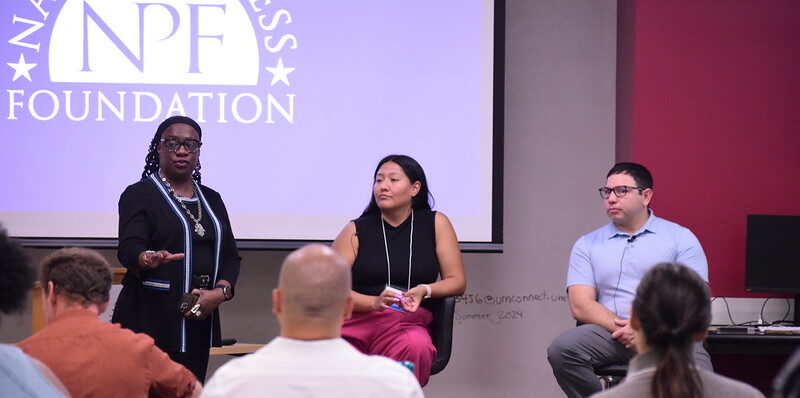
“The fatigue thing is real, of course. What I find that helps me continue to do this work is, yes, there are some days that I just don’t feel like doing this today. But what everyone has shared up here is when I get to that point, this community that we’ve created is also what I fall back on, to where we can sit together and just be in space together and not necessarily talk about how tired we are. But because we are all doing the same work, it is that sense of not being alone in that tired, and in that fatigue, that on some days is exactly what you need to revitalize you to continue to do this work.”
Access the full transcript here.
The Covering Equitable Community Development journalism fellowship was sponsored by the Robert Wood Johnson Foundation. The National Press Foundation is solely responsible for its content.