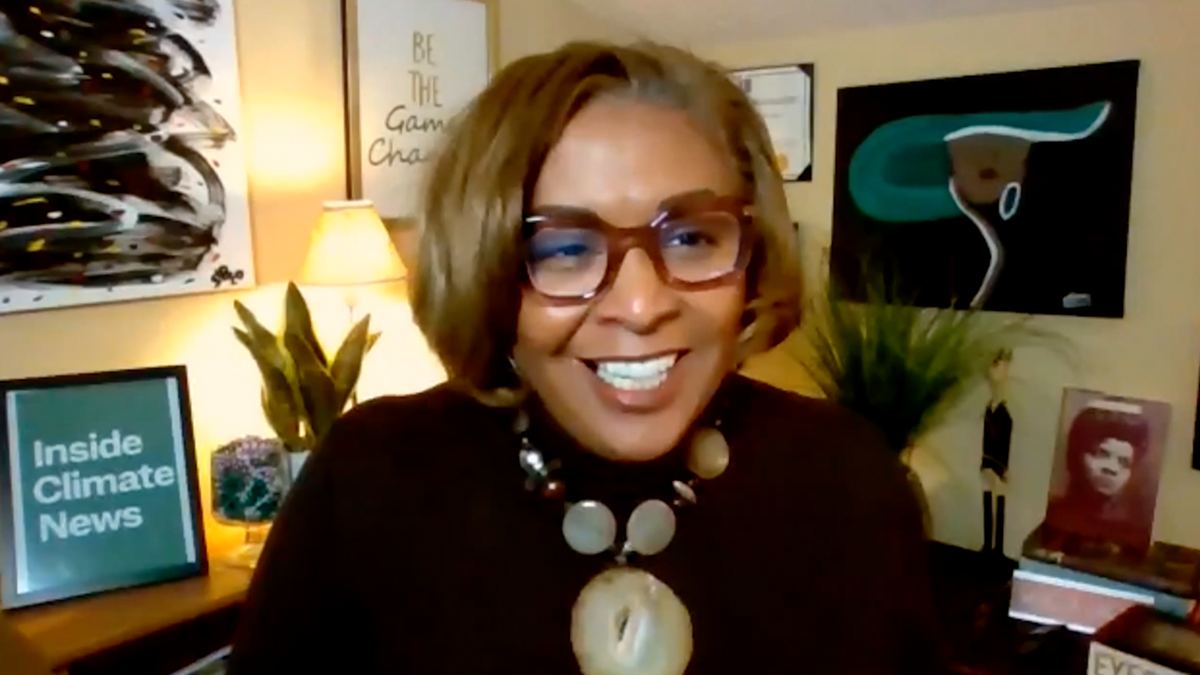
When USA Today National Correspondent Deborah Berry was working on a piece about legendary voting and women’s rights activist Fannie Lou Hamer, she realized she needed to tell as many stories of Civil Rights veterans as she could.
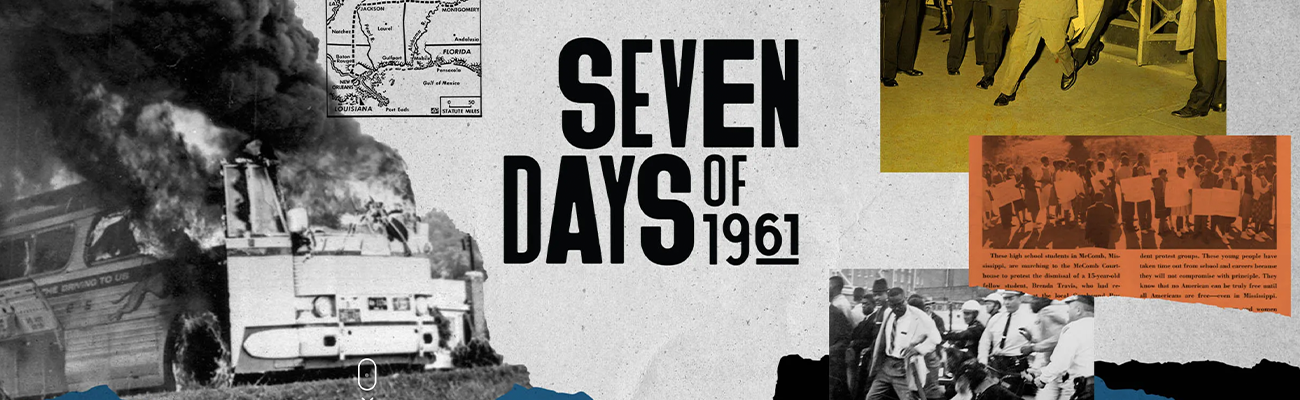
“I was like, one day I’m going to make it a point to try to tell their stories before they leave here because they are leaving,” Berry told NPF’s Widening the Pipeline fellows. She did just that. The ‘Seven Days of 1961’ series was published in 2021.
Berry said when she pitched her big idea – which was that she wanted to talk to all 3,400 Civil Rights veterans left in the world – her editor shot that idea down, saying “Nobody’s going to read all that.” Instead, her editor said, “Let’s figure out how to manage it.”
“As frugal as some companies can be, they put their resources behind it, and they said, ‘Okay, we’re going to have graphics. We’re going to have animated graphics. We’re going to have videos. We’re going to send folks from the network to the places where those veterans were, to retrace their history and the place that they were.’”
Here’s her advice on how to turn your big idea into a reality:
Be prepared when you’re pitching.
Your editors might ask you why you should write about that topic, who cares about it and how it will get clicks. Take your time and figure out what it is, Berry said.
Keep story ideas on your radar.
“Even if you don’t get to do it now, keep it on the radar. It’s okay to let it simmer, and let it become even a better story. Because now that you’ve covered sports more, now that you’ve covered some other issue, there could be that time when somebody’s not going to take a knee. That might make it relevant where you could say, ‘I’m ready to do that.’”
Build allies inside and outside of the newsroom.
“Some of the people that I covered back in the day when they first came to Congress, they are now running things over at the White House,” Berry said.
When building your sources, get to know regular folk – like the pastor and activists – in the neighborhood, she advises. This will help you for your stories now, and “those big ones” later.
Finding a mentor in your newsrooms can also play a key role in your success, she said. And if you’re assigned one that doesn’t work, try to find a new one, she said. Berry recommends joining affinity groups (NABJ, AAJA, NLGJA, etc.) in and out of the newsroom.
And if you’re asking for help from a mentor, be specific, Berry said. “Give me everything I need to know, so that I can answer your email, your call, your text … as complete as I can.”
Access the full transcript here.
The Widening the Pipeline Fellowship is sponsored by the Evelyn Y. Davis Foundation and Lenovo. NPF is solely responsible for the content.