For Chicago Tribune journalist Adriana Perez, the pivot to climate and environment reporting came just in time to stifle burnout from trending news coverage. After a week of reporting about a high-profile police murder, the deaths of a firefighter’s family in a house fire and other tragic events, Perez began to question her career path.
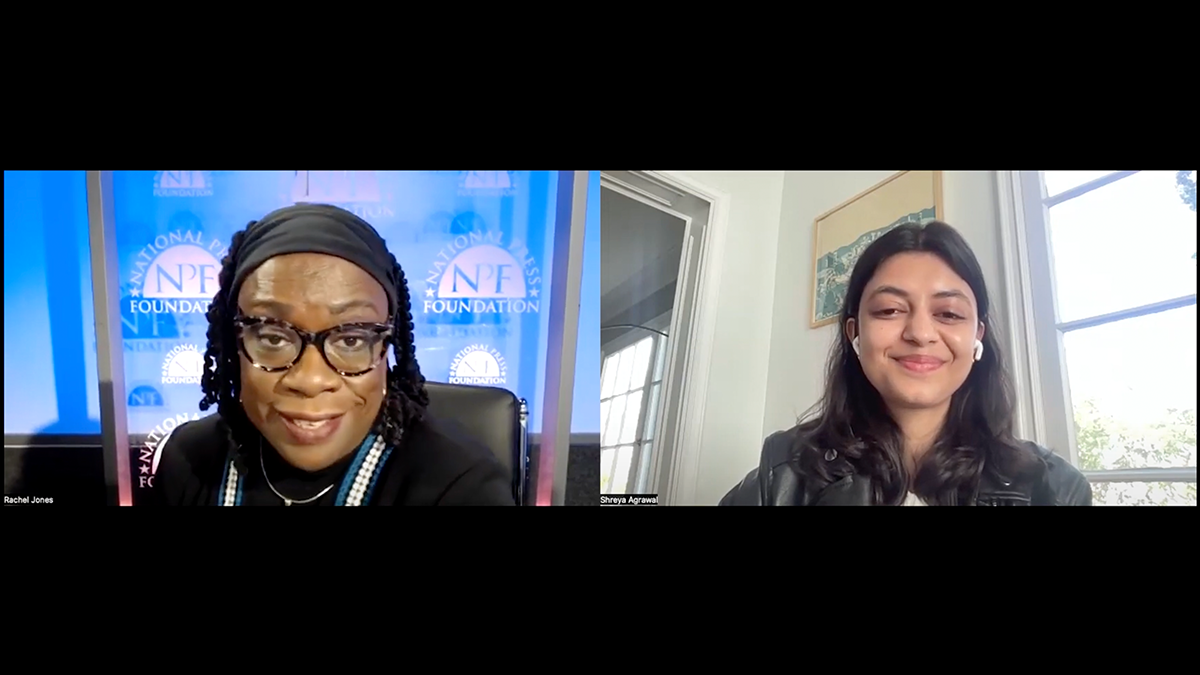
“I think it just really got to me and I was so, so close to just giving it up because I didn’t know if it was the kind of journalism that I really wanted to be doing,” Pérez told Widening the Pipeline fellows on November 12.
When an opportunity for Pérez to join the environment team emerged, she took the leap. “I’m so glad I held on because I think I have really found my niche in this industry and something that I really love writing about, learning about and sharing.”
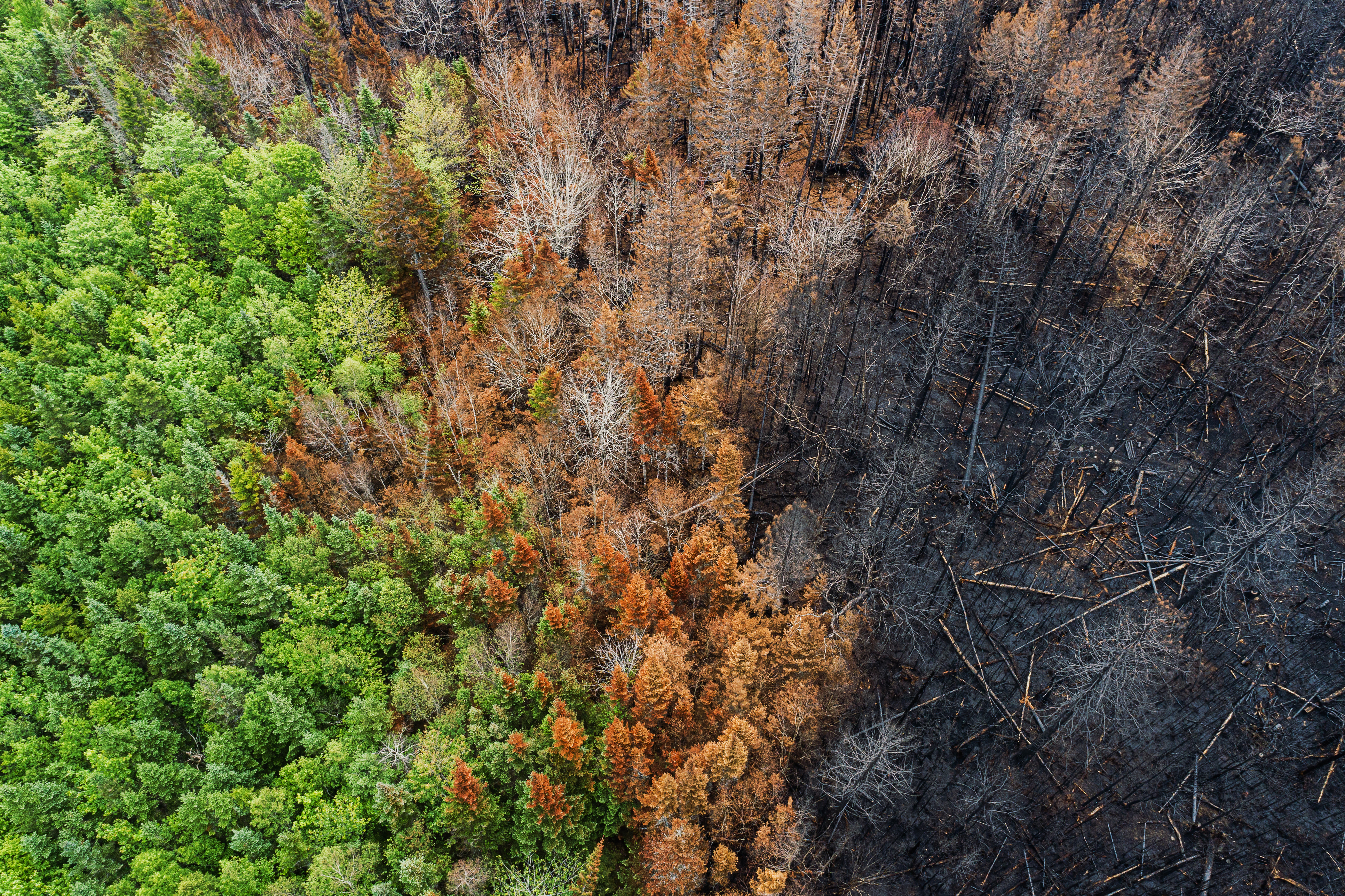
Pérez told Widening journalists that climate reporting is connected to all beats because of its ever-changing nature. And with the return of President-elect Donald Trump to the White House, Pérez emphasized the need for journalists to embrace environmental reporting and strengthen their expertise.
“Our credibility is going to be on the line,” she said.
She referenced Trump’s promises to increase production of oil and natural gas and walk back federal regulations on tailpipe emissions. Journalists will need to explain the potential impacts of such policies.
“You always want to bring it home with a human face,” she said. “I do try to think about, ‘OK, well who are the people in this and how can we involve them in the story and the visuals?'”
Pérez didn’t enter the beat identifying as a “science person,” but that’s changed.
“I’ve had to learn a lot of things … but I love science now, and I think it’s one of the coolest things that has happened to me since I started doing this job … I have learned to let go of these limits that I put on myself,” she said.
A lay background can be helpful when trying to explain things to readers.
“Scientists often are too into their own jargon and into the technicalities of what they know and what they found out. They need help communicating it in a way that’s digestible,” Pérez said.
She’s also found that investigating solutions helps her – and audiences – cope with climate doom and gloom.
“The crisis feels so big sometimes, but when I talk about it, first of all, I learn from people who are doing things, who are taking action. And I think that gives me a lot of hope,” she said. “Writing about it and sharing about it also helps me feel a little bit more in control of my fears.”
Access the full transcript here.
The Widening the Pipeline Fellowship is sponsored by the Evelyn Y. Davis Foundation and Lenovo. NPF is solely responsible for the content.



 Reload document
 Open in new tab