The transformation of the federal bureaucracy, including key institutions across the government, has been historic and continues to alter American life far beyond Washington.
From health care and the unfolding tariff policies to the National Guard’s expanding local public safety role to immigration enforcement, the ever-changing landscape is testing the country and the press as never before.
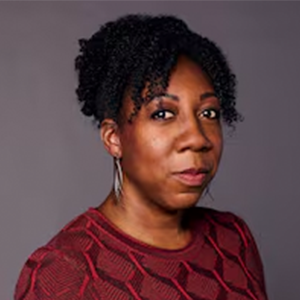
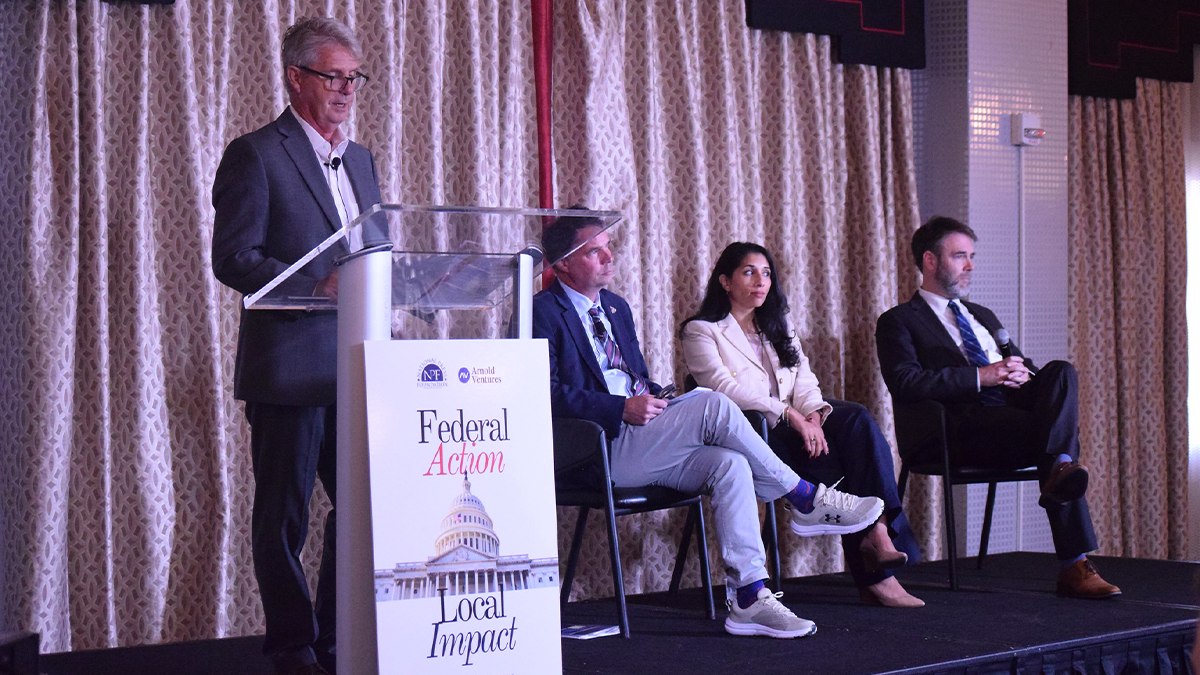
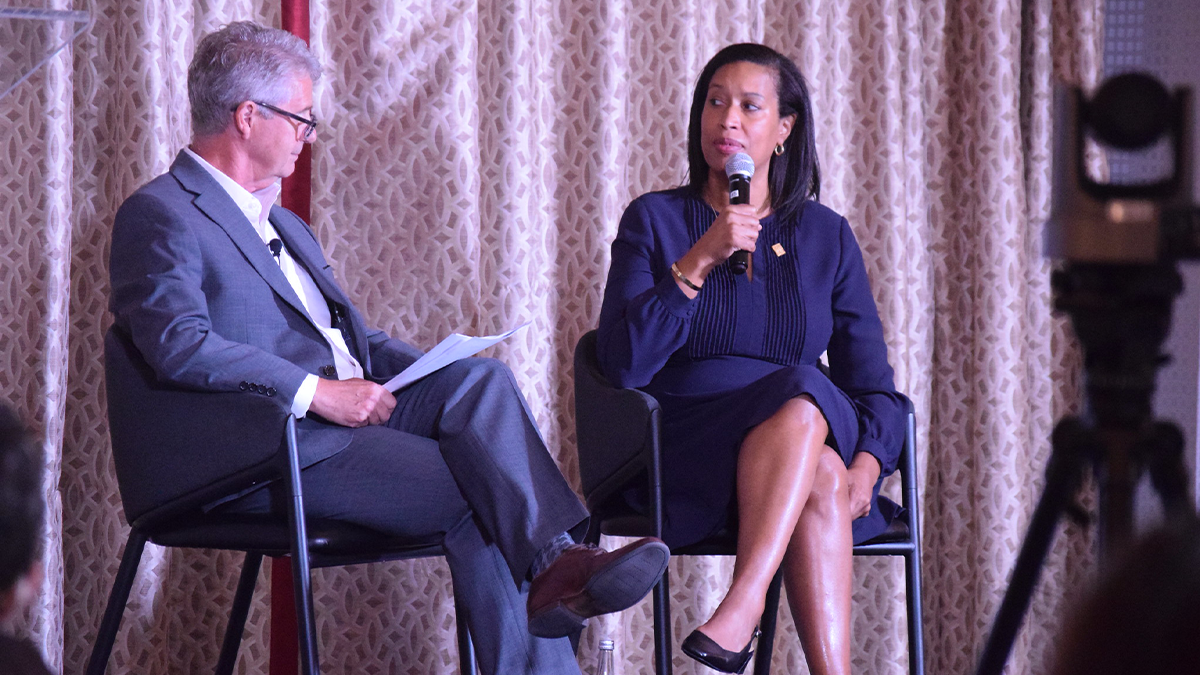
Anna Johnson, the Associated Press’ Washington bureau chief; Scott Greenberger, executive editor of Stateline; and Tia Mitchell, the Atlanta Journal-Constitution’s Washington bureau chief, discussed with National Press Foundation journalism fellows their strategies and best practices for translating a flood of Washington policy for local audiences.
Anna Johnson of AP: ‘Doing a lot of explanatory work’
“Each day, we are trying to provide a guide for people to help our customers and our audiences … to get through it and help guide them through all of the news and try to make sense of it in the best way possible. That often takes just writing really plainly, clearly and really breaking down things for people. But it’s also just in how we present the news.
“We do everything from providing bullet point lists to doing a lot of explanatory work to asking questions our readers send in and then us answering them. As you can imagine on the shutdown, there were a lot of questions. It’s really confusing. People don’t understand it. How can we take our expertise in our reporting and help give it to people in a way that can help them understand it and directly answer their questions?
The second thing that we do is always about the impact. And I think that’s where the connection between what we’re doing here in Washington and what is happening around the country and around the world is how we can try to really show the impact to decisions that are made, of decisions that are not made and what that actually means for people’s lives every day. We’re fortunate at the AP to have journalists all across the U.S. and all across the world.”
Tia Mitchell of AJC: ‘Thinking with an audience in mind that no one else is thinking about’
“I do come at it from a very different perspective because I am a regional reporter, which means I’m based in D.C. but I’m writing for a local audience elsewhere. … I like the fact that I’m a regional reporter because no matter what I’m doing on a given day, my reporting is always going to be a little bit different because I am thinking with an audience in mind that no one else is thinking about, which is Georgia for me.
“When I’m writing about the shutdown, I’m writing about either how it’s going to impact people in Georgia, or what do the lawmakers that Georgians sent to Washington think about this shutdown or how are they voting on the shutdown. … And of course all the things coming from the White House, which as we know are many, how are they impacting Georgia?
“It’s easy to feel like you’re all chasing the same story. And I don’t feel like that because I’m always chasing the Georgia angle to the story. … As you all look at these national issues, it’s always good to keep your audience in mind. It’s always good to think about how do I cover this issue for my audience because things that are important in Georgia aren’t necessarily the same things that are important in Connecticut or Oregon or Hawaii. And even in Georgia, things that are important in metro Atlanta might not be the same thing that’s important in Augusta or Savannah.”
Scott Greenberger of Stateline: ‘Federalism is obviously on everyone’s minds’
“We have outlets in 39 states and we have partnerships with other nonprofit outlets in another 11 states. … Before this administration, mostly what we were doing was writing about state policy from a national perspective, sort of connecting the dots between what was going on in various state capitals. Very often … what is happening in one state capital is also happening in another one. There are more coordinated advocacy campaigns across state borders, but also states very often are facing the same challenges and therefore experimenting with the same kinds of policies.
“I would say that 80 or 90% of our coverage [now] … has been about the fallout from this administration, how the policies and actions of this administration are affecting states and state governments.
“Federalism is obviously on everyone’s minds now, the relationship between the federal government and state governments and some of that is the traditional division of responsibility. So for example, we spend a lot of time reporting about Medicaid, which has been in the news a lot since Medicaid is a joint federal-state program. It is funded by both the federal government and the states. And the states have a lot of leeway in how they run their Medicaid programs, but also new areas of where the federalism is coming into play.
“For example, vaccinations for a very long time – a century, I guess – the states took their cue … from the federal government in terms of vaccinations. And now we have this fascinating situation where you have state health officials and states banding together and rejecting federal recommendations and putting out their own recommendations on vaccinations.”
Access the full transcript here.
This program is sponsored by Arnold Ventures. NPF is solely responsible for the content.