Mental health coverage has received increased attention since the pandemic, and reporters on the beat can find numerous angles to keep it fresh.
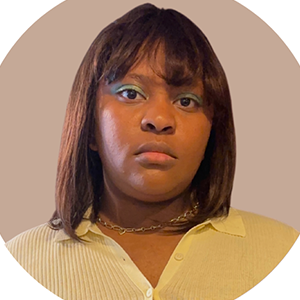
Caroline Colvin, a reporter for HR Dive and NPF Widening the Pipeline alum, takes a service journalism approach, for instance, helping workers understand benefits from both a legal and talent acquisition standpoint.
“I love being able to offer people actionable things to do, especially when it comes to mental health,” Colvin said. “It’s like, OK, we have the experts and they’re saying things are bad for workers and everyone’s stressed and burned out, but there’s something that you can do.”
Colvin said their work tries to “add the human element back to HR” by pairing research with people’s own stories and countering mainstream narratives when necessary.
“A lot of the thought leadership and studies deal with people who have knowledge-worker jobs who are at desks. But there are some people who aren’t returning to work, they’ve been at work this whole time,” Colvin said. “They get left out of a lot of conversations.”
Colvin also covers how different populations, such as Gen Z vs. Boomers, approach mental health and work.
Remote work helped prevent the spread of COVID, but it also benefited those who needed scheduling flexibility, especially caregivers, and reduced microaggressions.
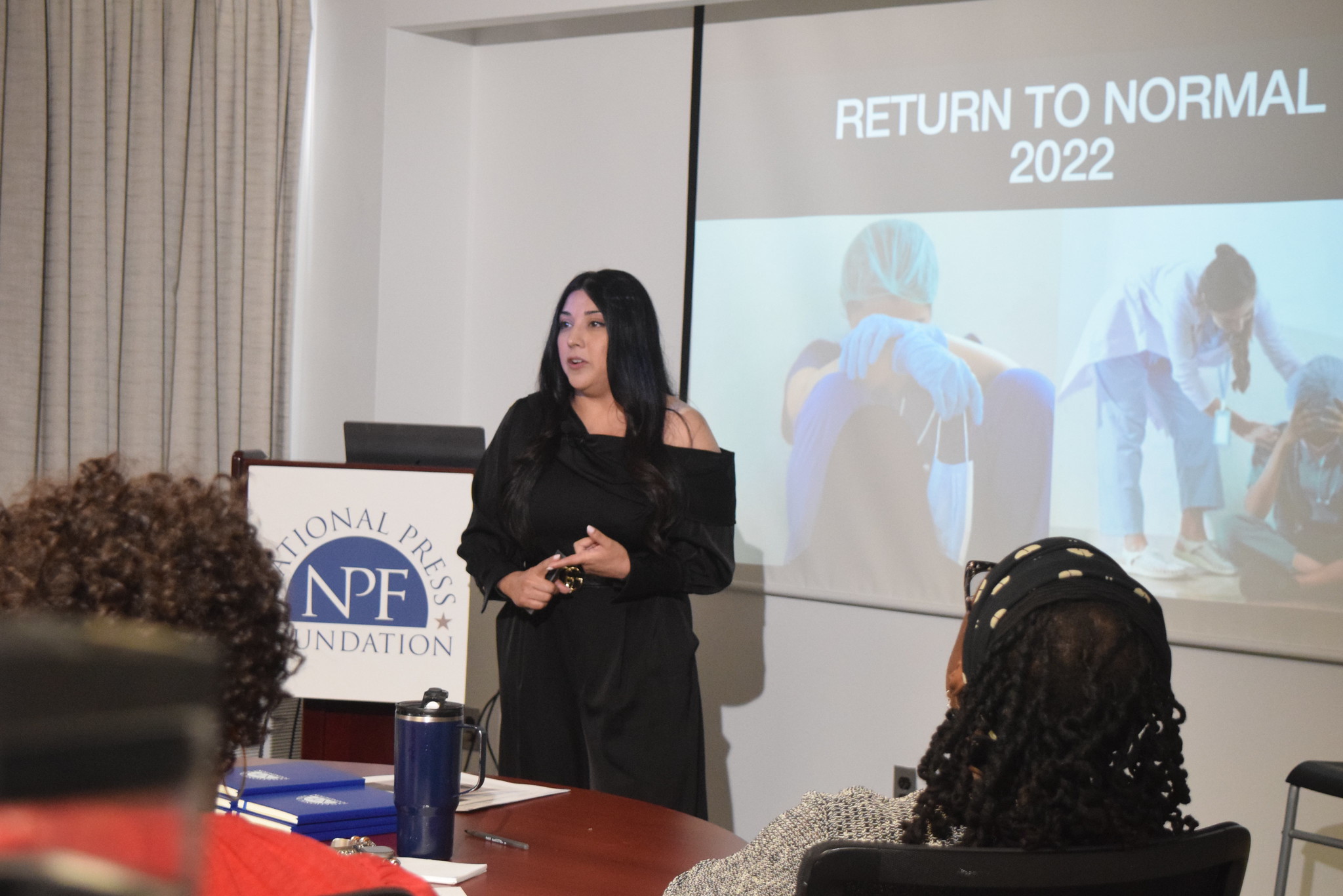
Colvin said with return-to-work mandates, there’s “a lot of tension between the workers and the employers, saying ‘this will be great for morale.’ And it’s like, will it be great for morale for everybody or only for a certain group of people?”
Do no harm, fear no pain
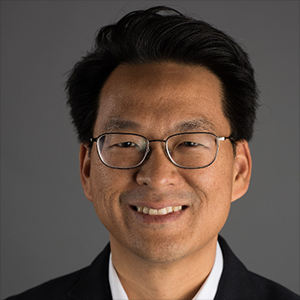
William Wan is an investigative reporter for The Washington Post who focuses on mental health. He said he thinks of himself as cooking on three burners at all times.
“I’m doing two-day story, two-week story, two-month stories,” he said. On stories he knows will take multiple months, he approaches the first interviews as “auditions,” casting a wide net. “Everything’s off record because the premise of it is genuine. I’m trying to understand what kind of story is even possible. And then when I have identified a few people that I think could be the main subjects, I tell them.” For instance, in working on an in-depth piece on Yale University’s treatment of students experiencing suicidal ideation, Wan said he spoke to about 50 people, most of whom do not appear in the final version of the story.
Once he identifies his subjects, he’s transparent about what the reporting and interviewing process will entail and what publication could bring – including attention from beyond their communities or allies.
Before every interview, Wan intentionally reflects on his motivation for doing the interview as well as the subject’s point of view. He adheres to the common journalism ethics standard of “first, do no harm.”
“Empathy is my superpower,” Wan said. “One thing that’s important in meeting with people who had just been traumatized, I found, is giving them power. I asked [the subject] where she would be comfortable talking. … ‘Tell me when we get to a point that is not comfortable for you, and we can pause and we can wait.’”
Using trauma-informed reporting techniques is important. But it is possible to be overly sensitive, Wan said, noting that a source once called him out for “tiptoeing” around questions.
“[He said] ‘My son is dead. Nothing you say is going to hurt more than that. The reason I’m talking to you is because I want to help other people. … Just because I’m crying or feeling pain, it doesn’t mean you shouldn’t be asking these things.’ From that conversation on, I really tried to push as much as I can because you have to think of it as you’re honoring what they’re trying to accomplish in talking to you,” Wan said.
Learning not to fear pain is important – as a journalist and a human, Wan said.
“We all get into journalism to try to make a difference or try to change the world. And I think there’s this beauty in journalism where if you’re open to it, if you’re open to the pain, you allow it to change you, too. You become a different, better, more whole person in the process of these stories that you do.”
Access the full transcript here.
The Covering Workplace Mental Health journalism fellowship was sponsored by the Luv U Project, with associate sponsor the American Psychological Association. NPF is solely responsible for its content.


 Reload document
 Open in new tab