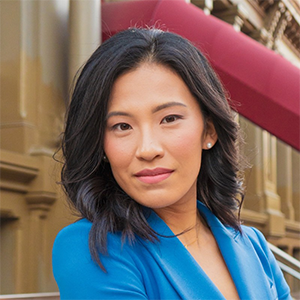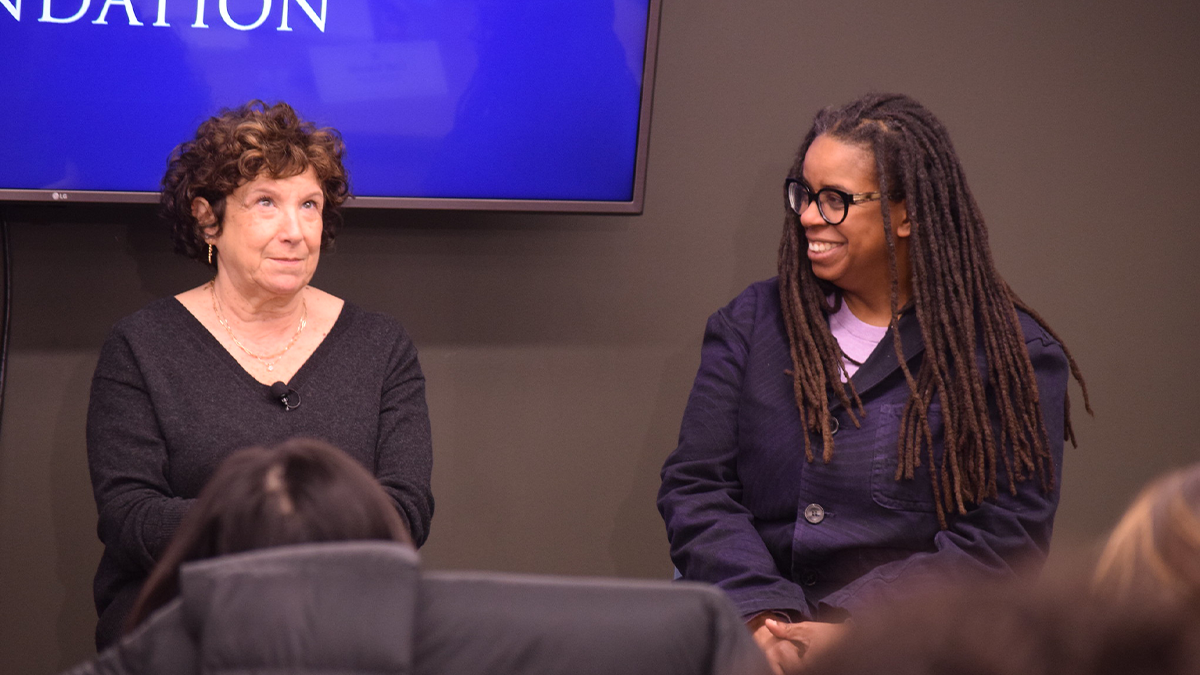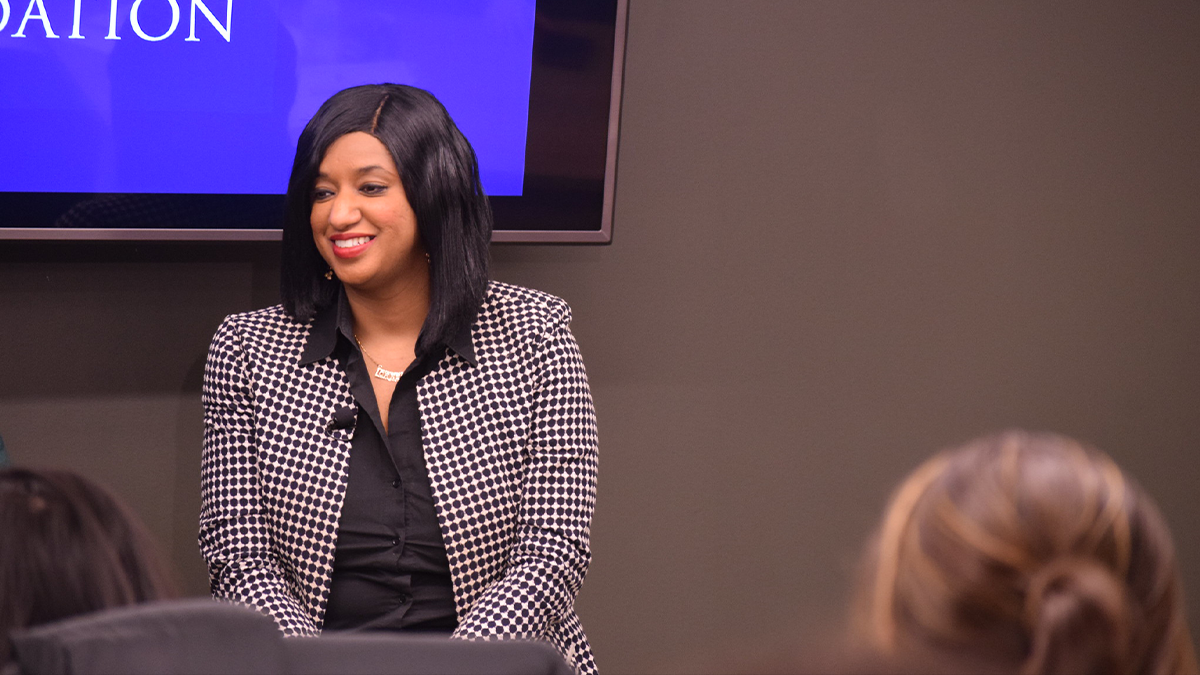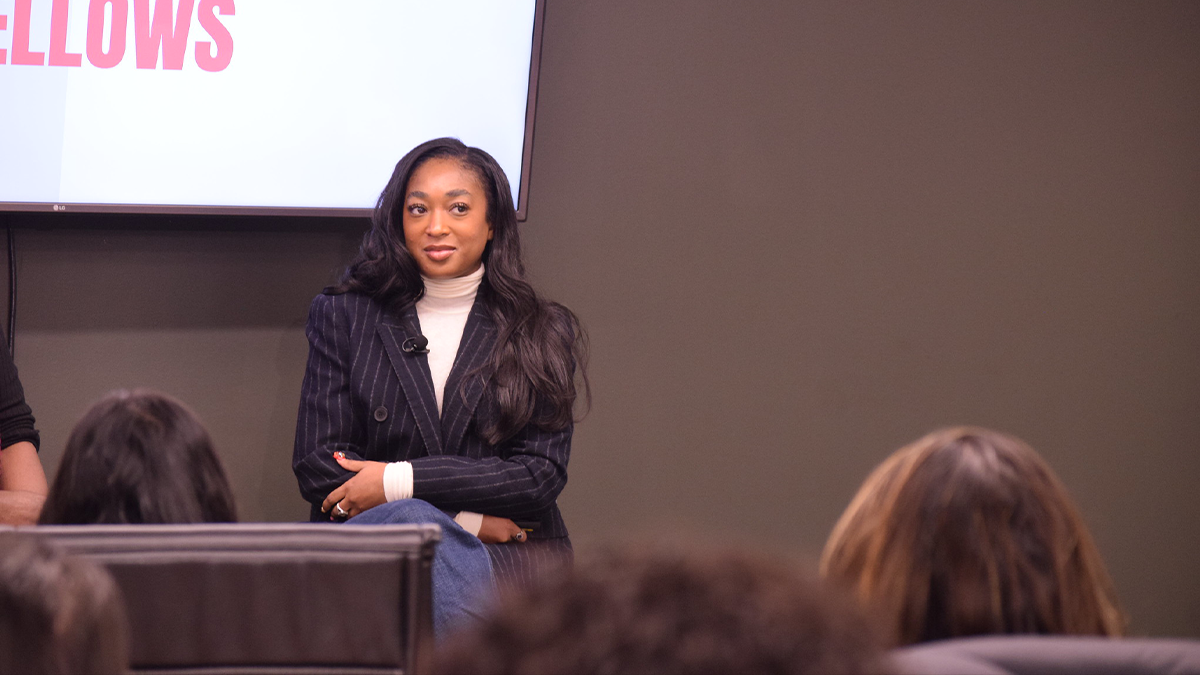
The key to clearly communicating what’s happening in our country lies in finding and cultivating the right sources, Politico reporter Sophia Cai and AP congressional correspondent Matt Brown told NPF Widening the Pipeline fellows.
Here are their sourcing tips for reporters:
Quality beats quantity. But get those numbers anyway.
When you’re starting a new beat, or if you’re a breaking news reporter hoping to go deeper on certain stories, develop a systematic way of sourcing, advised Cai, the White House reporter and West Wing Playbook author for Politico. She recommended creating an Excel spreadsheet to keep track of the names and numbers you collect at briefings, meetings, social gatherings, etc.
“Someone at one of the startups in Washington used to tell their younger reporters, ‘you should be talking to 50 people a week,” Cai said. “That seems like a big number, but that really boils down to, potentially 10 people a day. It can be a text, a call, calling someone you already know, but that really gets you turning in terms of making enough contacts.”
Lofty institutions are still just made up of people.
Brown knows that venues like Congress, the FBI and the White House can seem mysterious and impenetrable. But by getting to know the people inside those buildings, they become less daunting. And with the right mindset, Brown said, the nature of the nation’s capital makes interacting with people easier.
“D.C. is a strange place because it is absolutely filled with people who know a lot of stuff that everyone else on planet earth cares about,” Brown said. “It is a place where everyone is broadly media trained even if you’re not a media-facing person. And it’s absolutely crawling with reporters who are all competing with each other, which means that the D.C. press experience that I’ve come in and out of throughout my career in different jobs, can be a very intense one and very rewarding, very fruitful, can be fun.”
High-level roadblocks for journalists shouldn’t stop you.
The Trump administration has made several attempts to curtail access for journalists, but Cai said she’s undeterred — even though she couldn’t score press credentials for certain events.
“You can still go as a member of the public [sometimes] … And trust me, they will keep track of who’s still showing up to do their job, even when they’re trying to make your job more difficult.”
Access the full transcript here.
This fellowship is funded by the Evelyn Y. Davis Foundation and the John C. and Ethel C. Eklund Scholarship Fund.