Journalists who explore equity and community development issues are often fueled by their own lived experiences. For Joseph Lee, the questions began during his childhood as a member of the Aquinnah Wampanoag Indigenous tribe based on Martha’s Vineyard. That curiosity only deepened with age.
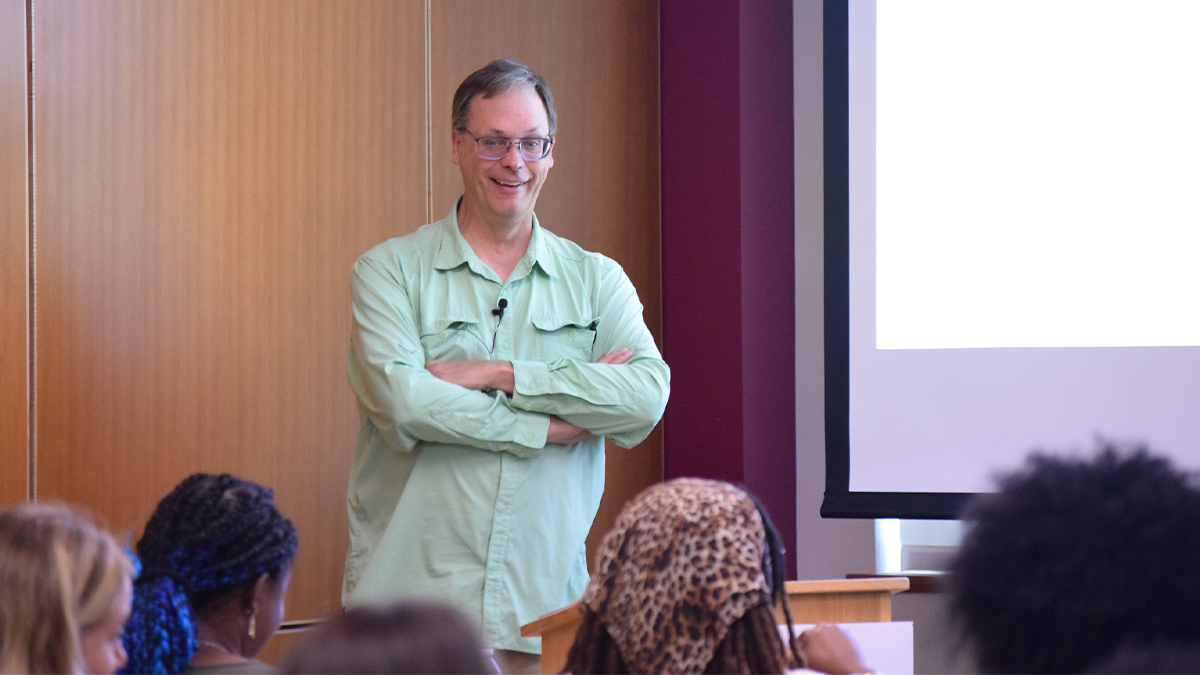
“I really wanted to understand where I came from and my tribe and my community and really just how we ended up the way we were,” Lee told NPF Widening the Pipeline fellows during a conversation about climate change and environmental justice on Nov. 12. “Through that I just basically just started jumping into reporting and trying to learn as much as I could about other tribes, other Indigenous people and communities across the country, and eventually, around the world as well.”
Lee’s expertise has flourished in the realms of climate change and environmental justice, specifically as they pertain to Indigenous communities. He’s primarily a freelance reporter for publications ranging from Grist, The Guardian, BuzzFeed, Vox, High Country News, and more. In addition to teaching creative writing at Mercy College in New York City, he’s the soon-to-be-published author of the book Nothing More of This Land, which details his own journey of identity.
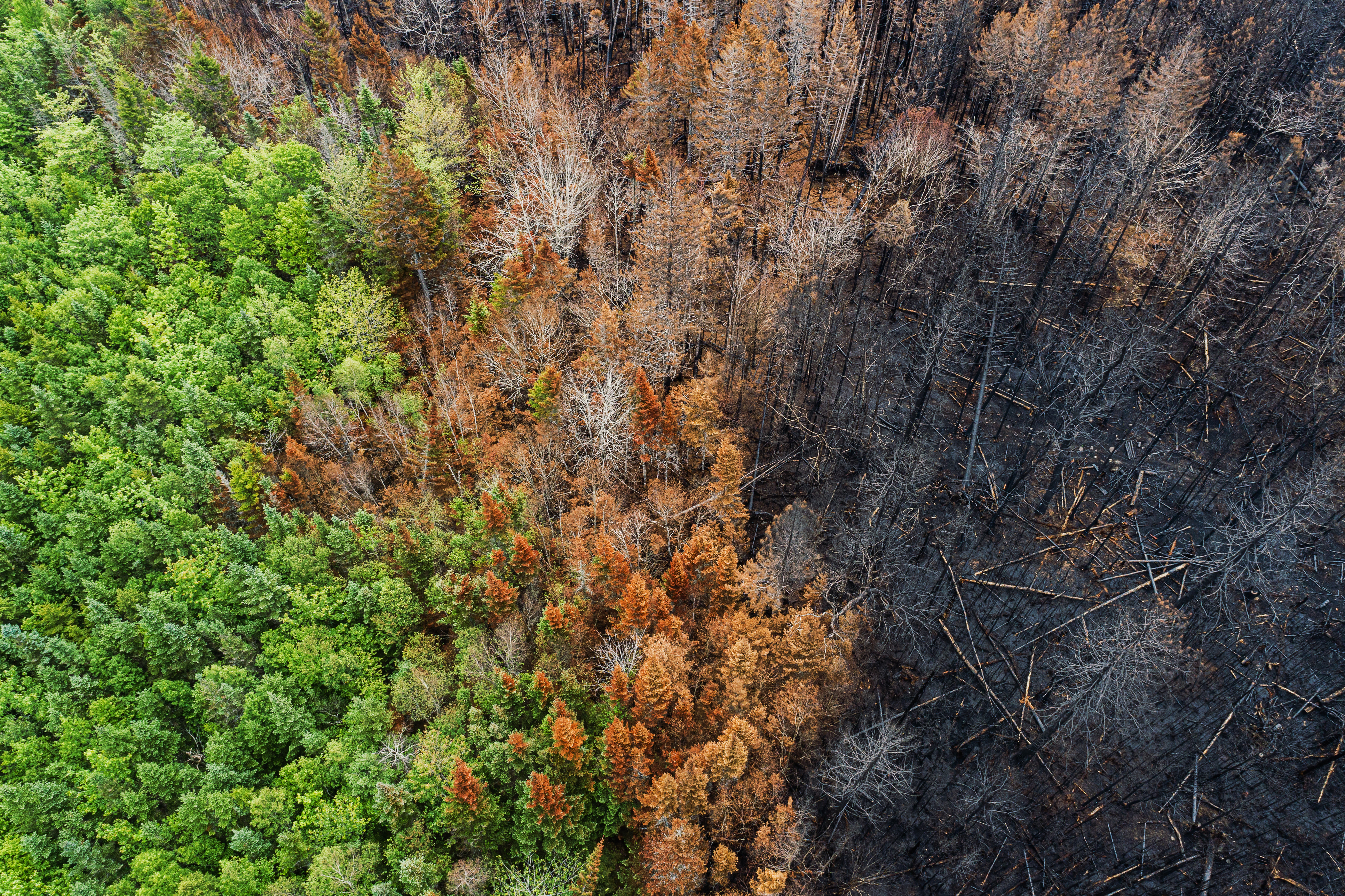
With all of his reporting projects, Lee’s focus is on finding the angle that slips off the radar. For example, when he began a project for The Intercept called, “Climate and Punishment,” the central focus was on the risks of heat, flood and wildfire events for detention facilities, jails and prisons across the U.S. While reviewing the data and maps prepared for the project, Lee saw something important.
“I noticed that a lot of tribal jail facilities, detention centers were not included. And it turns out that the reason they weren’t including their story was because that big data set that they used didn’t include most of them.” That finding launched a year-long quest for information, through numerous Freedom of Information Act and Bureau of Indian Affairs requests to find the addresses of tribal jails, prisons and detention facilities.
Producing features about extreme climate-related conditions for those specific detention facilities was especially rewarding for Lee. “I think probably most of us here are interested in covering overlooked, vulnerable, neglected communities. And this is one of those stories where it’s literally Indigenous folks, Indigenous people in jail were invisible, did not exist in the data that was out there. So we had to go and get it and we had to report that story.”
Any journalists considering a pivot toward climate change and environmental justice stories should ask themselves a series of focused questions, including:
- How do we connect with people who can tell us interesting things about these stories?
- How do we find the support to do them?
- How do we do them in the right way?
And while reporting on equity can make some journalists of color fear being pigeonholed, Lee urges a pragmatic approach.
“Turn that sort of challenge or weirdness or uncomfort thing into an opportunity where if people are reaching out to you because they see you as something, if that’s bringing you opportunity or bringing you connections or something, there’s a way to use that to your advantage if it works for you.”
Access the full transcript here.
The Widening the Pipeline Fellowship is sponsored by the Evelyn Y. Davis Foundation and Lenovo. NPF is solely responsible for the content.