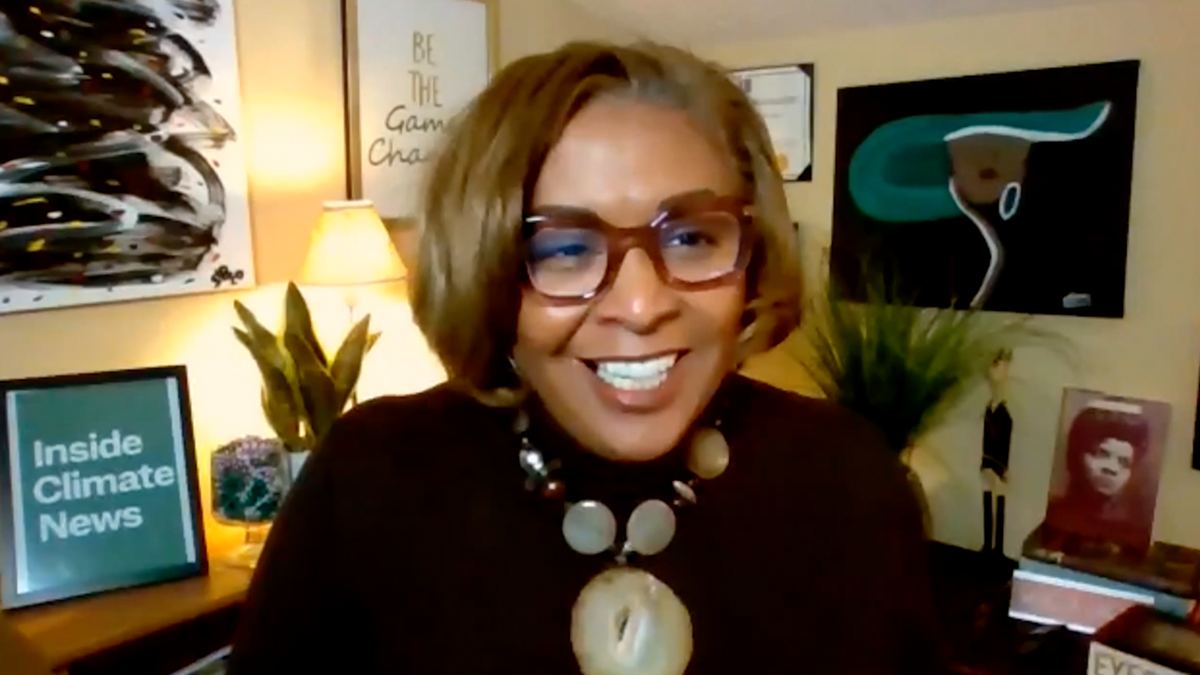
Shreya Agrawal says that when she was five years old, she read an encyclopedia entry about sea levels rising—which also suggested that the sun was going to swallow up the Earth in two billion years. “My little brain could not understand what two billion years meant. I would die by then, but I don’t understand, and I was like, ‘What’s going to happen to my parents if all of that happens?’” She eventually worked through her youthful panic about the global climate catastrophe, though that early episode likely foreshadowed her professional ambitions.
Agrawal – who calls herself a “climate communicator” is the first newsroom fellow at The Xylom – a nonprofit, student-led newsroom focused on science founded in 2018. She spoke to NPF’s Widening the Pipeline Fellows about what it takes to tackle investigative reporting.
Look “under your nose” for investigative stories, Agrawal suggests.
“So, all the stories that you’ve done in the past, those could turn into investigative stories if you had the amount of time, so there’s nothing special about investigative reporting in that sense.”
Look at what’s happening in your beat and ask yourself “who’s getting harmed?” and “who needs to be held accountable?” Agrawal also said she finds investigative stories by building good relationships with her sources – who will then send her information or ask her questions that she could possibly use to help fuel her investigations.
Investigative stories are not one size fits all.
For journalists with already tight schedules who don’t see long investigative stories as a possibility, Agrawal says they might still be achievable. If you can’t do long-form stories, do incremental stories, she said.
“You can do short pieces and build up to it. You guys have probably heard of Bob Woodward and Carl Bernstein working on the Watergate stories. They never produced a huge investigative story on the Watergate scandal. What happened was a series of incremental stories over time that they built upon, and that turned into a huge investigative project by the end of it, but they didn’t know what they were doing.”
Know what resources are available, she said.
“What’s helped me in the past is talking to other investigative reporters and just learning from their process,” she said.
Agrawal suggests setting up coffee chats with other reporters and investigative journalists to get to know them and learn their process.
Read investigative stories, and try to break them down, she said.
“Understand the process. Understand how they report on these stories. What was their start? What was their finish? How did they get from point A to point B to point C and how did they report them? Because that will really help you understand what you need for your own investigative stories in the future.”
There are also investigative-focused conferences available: She recently attended the Ida B. Wells Society Bootcamp on Investigative Reporting, which was a two-day boot camp. She said that if IRE and NICAR seem too intimidating, go to other society conferences where you feel seen.
“Don’t be afraid to make mistakes,” she said.
Take risks, try different processes, and figure out what works for you, Agrawal said.
“Journalism is hard, but you are here for a reason, so trust your gut.”
Access the full transcript here.
The Widening the Pipeline Fellowship is sponsored by the Evelyn Y. Davis Foundation and Lenovo. NPF is solely responsible for the content.