At least 16 state currently have passed laws banning or restricting gender-affirming care. Prior to this year, only three states had enacted laws doing so.
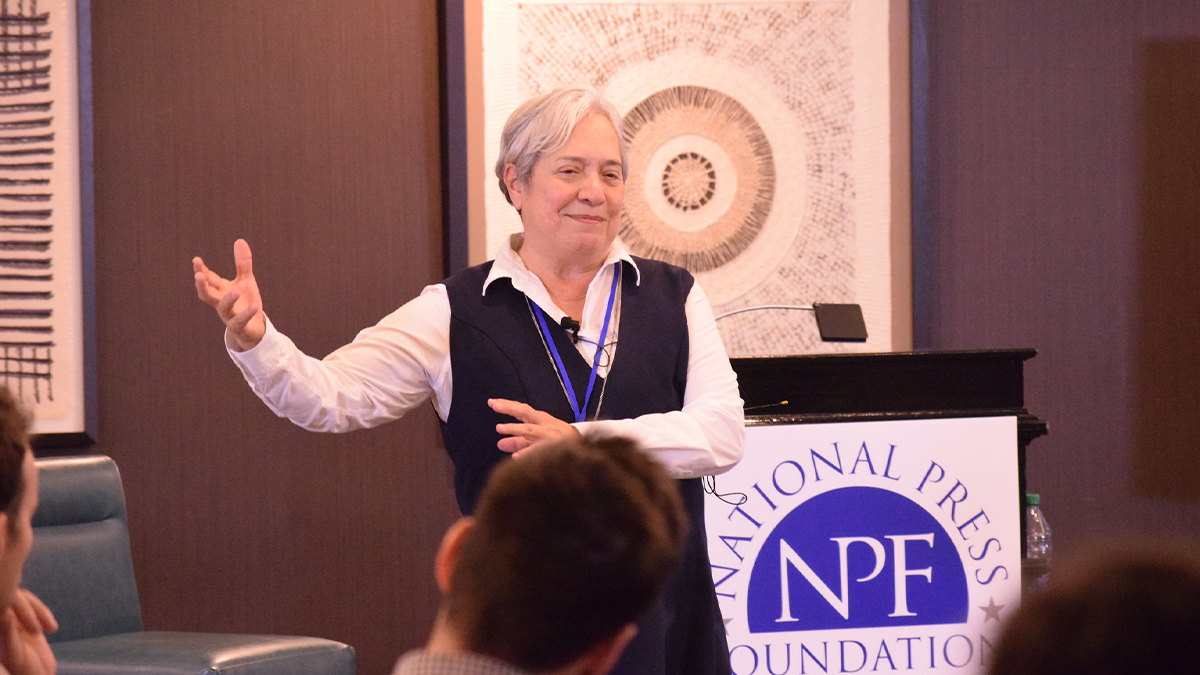
At least 16 states currently have passed laws banning or restricting gender-affirming care. Prior to this year, only three states had enacted laws doing so. While judges have blocked bans and some of these laws have yet to go into effect, they signal a deepening national trend. However, stories on anti-trans legislation are not just dry policy stories. AP’s Capitol Correspondent for the Little Rock bureau Andrew DeMillo discussed his experience covering this type of legislation in the first state to enact anti-trans policy, as part of The Future of the American Child Fellowship’s Cleveland training [Transcript | Video].
5 takeaways:
➀ Keep abreast of the trends.
With so much public debate about gender-affirming care and anti-LGBTQ+ policies, legislation could emerge in just about any of the states where it hasn’t been enacted so far, DeMillo said. “So this is a good way to prepare for covering those as well too, as well as familiarizing yourself with what proponents of this ban are arguing. Because the arguments in favor of them are not that different from state to state.” DeMillo also advised journalists to review AP’s style book entry on transgender coverage. His company makes a credible effort to stay abreast of changes in terminology and provides expanded explanations of key issues.
➁ Highlight the people affected.
When DeMillo first covered the proposed Arkansas bill banning gender-affirming care, he wrote a standard “two quotes and a vote” story. “A big thing that was missing was the voices of people affected by these bans,” he said.
For a later story, he spoke with doctors providing treatment and with transgender youth and their families. While trans youth are deeply affected by this type of legislation, look toward providers as well. Legislation affects their workplace policies, and they may be able to shed more light on which claims surrounding this kind of legislation are actually true.
Don’t constrain your sourcing or reporting to the legislative session. The structure of legislative debate means opponents of the bill have less time to speak. “Proponents of the bans get an unlimited amount of time to talk about it,” DeMillo said. “Opponents of the bans, the debate gets limited where they can only talk about it for one or two minutes. So you may have family members talk there, you may have transgender youth talk about it, but imagine talking about a major medical decision or major medical issue in your life in one to two minutes.”
➂ Explain the level of exposure transgender sources might receive from coverage.
“Transgender people, their families, they’re facing a lot in terms of threats, they’re facing a lot in terms of just the type of rhetoric they’re facing, as we saw.” Make sure transgender people who are sources understand how they will be quoted and whether they will be named in an article, especially if sources are unfamiliar with media.
➃ “Avoid false balance.”
With contentious legislation that affects marginalized groups in society, proponents and opponents of the legislation may spread false claims as part of their advocacy, but journalists don’t need to include false claims just to ensure both sides of the debate are being heard. “That’s a big problem that comes with coverage right now. Don’t include a quote that has misinformation just for the sake of having a quote from the other side and includes the national context.”
Fact-check any claims people make, and embrace nuance where it exists. There is often “uncertainty” on what the effects of any given bill may be, despite what each side of the argument says.
➄ Protect yourself from possible negative feedback.
“I can’t think of any other topic where my timeline lights up when I write about this and it’s not nice comments usually,” DeMillo said. He advised journalists who may have to undertake this type of reporting to start thinking seriously about online safety. Though DeMillo still posts stories he’s written, he tries not to obsess over public responses. “I’ll Tweet it out, I want people to be able to read it. I try to avoid being on Twitter for the rest of the day because it’s not good for my mental health, dealing with that. But I think talking with editors, talking with the news organization beforehand on online safety, mental health resources they provide. I don’t engage in debate with people on online about it.”
This fellowship is funded by the David and Lucile Packard Foundation, the W.K. Kellogg Foundation and the Heising-Simons Foundation. NPF is solely responsible for programming and content.