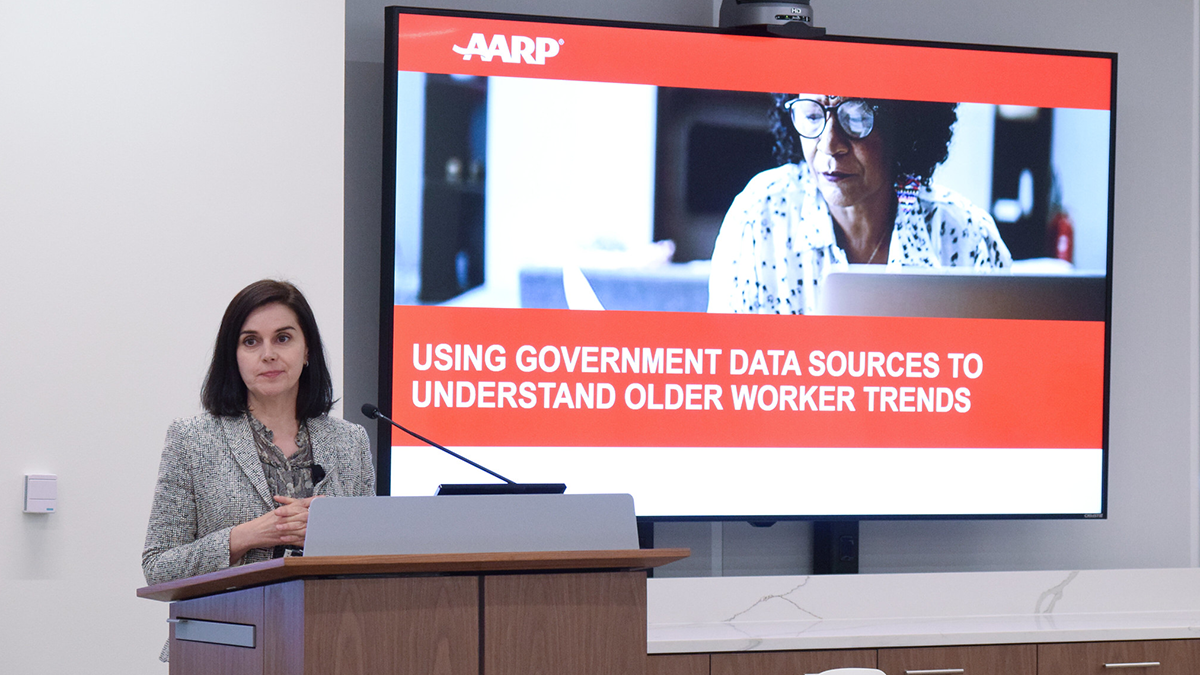
When Steve Ellis started at Taxpayers for Common Sense in 1999, the national debt was $5.6 trillion. Now, it’s $31.4 trillion. Ellis explained to Paul Miller reporting fellows the “uncharted territory” of debt ceiling talks in this Congress. [Transcript | Video]
3 TAKEAWAYS:
➀ Default would have irreversible consequences. “I think it’s definitely a chance that we will default and not pay creditors,” Ellis said. “This whole thing about prioritizing payments … I don’t think that matters in that respect. I mean, you can’t be a little bit pregnant, you can’t a little bit default.”
If the U.S. defaults, Ellis said, “it’ll be very quickly rectified. Problem is, the damage is done.” A default means hiked interest rates in financing the national debt. “Just a small increase in the amount that we pay in interest is huge,” Ellis said. He said by the end of the decade, interest spending is on track to exceed Defense spending. “We’re going to be talking about $700-$800 billion in interest payments that’s going to quickly crowd out other areas of the budget,” he said. “And that’s just money that we’re just throwing away because we like to be profligate as a country.”
➁ What is the debt ceiling? New members of Congress may not remember past increases of the debt ceiling, like the Budget Control Act of 2011. In the past, Ellis said he saw the debt ceiling “as an opportunity to pause and reflect” on U.S. spending. But lawmakers’ actions have made him change his view.
“We should just get rid of the debt ceiling because now it’s gotten too scary. It has always been increased. It’s not a useful tool anymore,” Ellis said. “It doesn’t actually change behavior.”
➂ Never cover a president’s budget like it’s going to happen. “Sometimes you see that the budget proposes something, and it gets written about like it is actually going to happen when in reality, there needs to be some skepticism,” Ellis said. When the president submits the budget to Congress, they can propose whatever they want. “It doesn’t ever become law,” Ellis said. “And so there’s going to be magic pixie dust that’s going to pay for this.”
Funding has to come from somewhere. For this budget cycle, Biden proposed increased spending on Medicare and social security. Funding would likely come from increased taxes on high earners. However, the final numbers will come from the Congressional Budget Office. “To really accomplish what they’re talking about, there’s some complex modeling that would have to be done,” Ellis said.
NPF is solely responsible for the content.