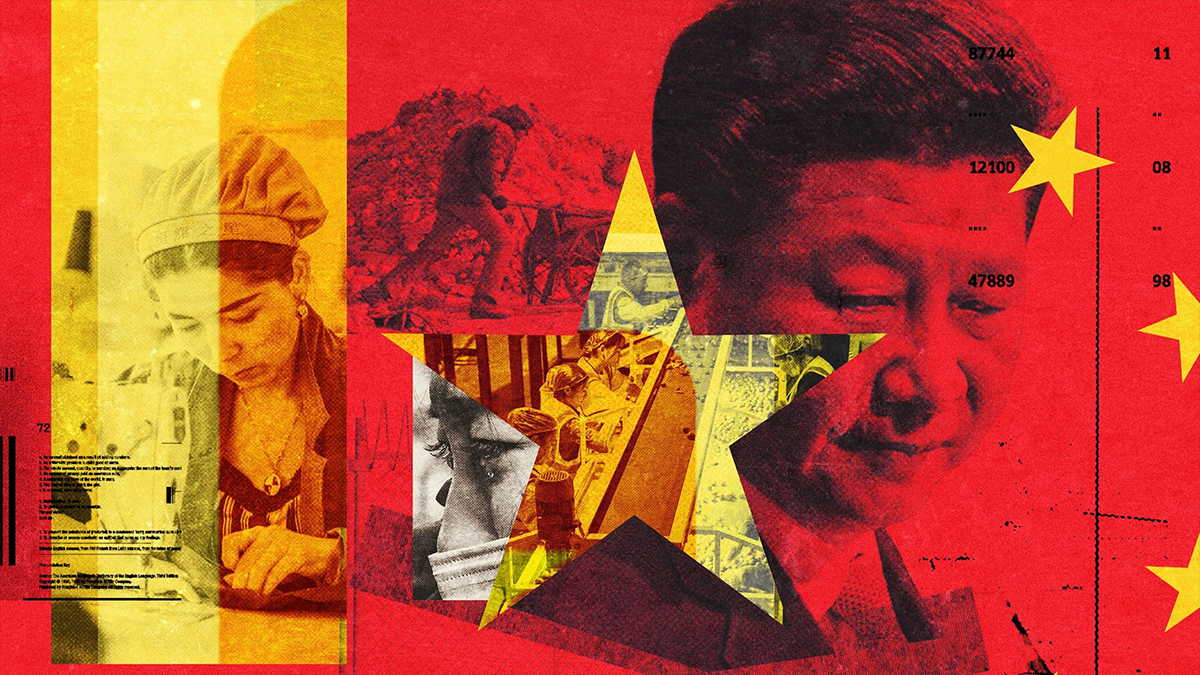
Deglobalization is advancing as the U.S. and EU expand their economic pressure against Russia and China. In this free briefing on Oct. 20 from 9 to 10:30 a.m. ET, four experts will help journalists covering these complex issues to understand the big picture, spot new developments and learn where to dig up details of the expanding trade story.
In recent weeks, the U.S. has imposed more sanctions against Russia, quarreled with Saudi Arabia over OPEC Plus oil price hikes, and expanded the use of secondary sanctions as a tool of deterrence.
On Oct. 4, the EU also adopted an eighth set of expanded sanctions designed to punish Russians involved in the illegal annexation of Ukrainian territory and make it easier to punish sanctions dodgers and third parties that export anything from luxury goods to footwear or coal or plastics used in Russian industry. It introduced a new whistleblower tool to improve enforcement and is using used an anti-torture law to ban small-arms export to Russia. And it is cracking down on pro-Chinese research in the EU.
Meanwhile, China is retaliating, including with its “unreliable entities list” of companies that may comply with U.S. and EU sanctions that limit Beijing’s access to sensitive technologies.
As the world fragments into new trading blocs, the risks for multinational companies trying to conduct globalized business are rising.
In this briefing, Brookings scholar and law professor Scott Anderson will start by teaching journalists how to read the dense press releases from the U.S. Treasury’s Office of Foreign Asset Control (OFAC.)
Bryce Barros, China Affairs Analyst at the Alliance for Securing Democracy at the German Marshall Fund, will explain the latest about how China is pushing back against U.S restrictions and seeking greater economic self-reliance. Barros wrote a recent paper for the Hinrich Foundation on China’s crusade to punish Lithuania.
Daniel Flatley, Bloomberg national security reporter covering politics, economics and foreign policy, will help journalists find great sources even when U.S Treasury and other officials are reluctant to talk, and how to write the trend stories that will command audience attention. Flatley writes frequently about sanctions, visas and arms sales.
Neena Shenai, Nonresident Fellow at the American Enterprise Institute researching global trade, international economics and globalization, will help journalists understand secondary sanctions and how multinational companies are affected. Shenai is also an in-house attorney at Medtronic and previously served as trade counsel for the House Committee on Ways and Means, where she advised Republican chairmen Rep. Dave Camp and Rep. Paul Ryan.
Register online for this on-the-record webinar Oct. 20. Email Alyssa Black ablack@nationalpress.org to submit questions or access the recording.
This program is funded by the Hinrich Foundation. NPF is solely responsible for the content.