5 takeaways:
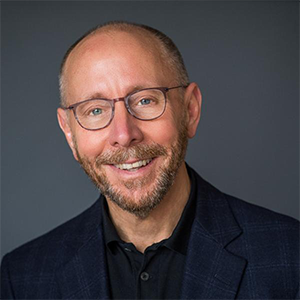
➀ Demographic change is one of the top stories of our time. In a world with historically low birth rates and where people are living longer and healthier, demography will change everything, the Milken Institute’s Paul Irving told National Press Foundation fellows at a program on aging “Probably half of the colleges and universities in the United States risk failure because they’re solely dependent on tuition revenue,” he said. “They don’t have significant endowments. And they’re looking at a generation to come that’s reflective of birth rates not close to replacement rate. Why isn’t that being written about? Why aren’t universities disrupting the way they do business by thinking about lifelong learning?” [Transcript | Video]
➁ Ageist advertising is a huge problem. Women are the principal victims of a barrage of hair dye, plastic surgery, and botox-type marketing urging them to turn back the clock and the damaging effects of ageist advertising are under-reported, Irving said. Even though he served on the National Academies of Medicine Commission on Healthy Longevity, he said researchers have not been vigilant enough in helping journalists contextualize this onslaught of harmful messaging.
➂ The truth about aging lies somewhere in the middle. Irving cited three principal themes in media coverage of aging and longevity. First, there are stories about services and supports designed exclusively for older people. Then there’s coverage of social work, psychology and public health that encompasses the sadness of aging, the impacts of chronic disease, and issues like job loss, loneliness and isolation. Finally, there are hyperbolic tales about super agers, the longevity economy, etc. He urged journalists to carefully consider each when developing stories.
➃ Keep those intergenerational stories coming. Irving said he loves stories about intergenerational collaboration and cooperation, understanding the different characteristics that young and old people bring to workplace challenges. “What we know is that young people bring enthusiasm and creativity and risk-taking skills and all the rest. And older people bring balance, multi-sectoral problem-solving, opportunity-creating talents, wisdom, judgment, political savvy, how do you navigate environments, et cetera.”
➄ Mentoring and volunteering to help the young benefit older people. “There’s a lot of wonderful research about the importance and the value of volunteerism.” For example, studies of AmeriCorps Senior volunteers found cardiovascular, cognitive and pulmonary health benefits and a reduction in risk for osteoarthritis for volunteers.
This program is sponsored by AARP. NPF is solely responsible for the content.