5 takeaways:
➀ Rare disease treatment has benefited from cross-border collaboration – but that’s easier in certain parts of the world than others. The rare diseases community has made strides in recent years by working together across national borders and continental divides, said Ritu Jain, president of DEBRA Singapore and a director of the Asia Pacific Alliance of Rare Disease Organisations. (Jain’s comments begin here.) But the task is difficult in the Asia Pacific region, which includes more than 4 billion people in major countries and island nations spread across thousands of miles, and with a huge array of cultures, religions, languages, access to health care and levels of economic development. “These realities enhance and exacerbate the challenges of living with rare diseases and managing rare diseases in the region,” she said. A lack of standard definitions of diseases complicates diagnosis. Yet some individual countries – Taiwan stands out – have made great strides in supporting and treating rare diseases, Jain said.
➁ Poorer nations are often so focused on treating major infectious diseases that attention to rare ones lags. “We’ve been focused on dealing with cholera, tuberculosis, HIV, malaria and many infectious diseases,” said Samuel Agyei Wiafe, founder and executive director of the Rare Disease Ghana Initiative. Non-communicable diseases have been largely neglected. (Wiafe’s comments start here.) Only in the past couple of years have some governments in Africa recognized the rare disease challenge, he said.
➂ Stigmatization of people with rare diseases has been ameliorated where awareness has grown. But that stigma remains elsewhere. Gareth Baynam, a rare diseases researcher at the University of Western Australia, said that the rarity of various diseases creates a sense of isolation and a lack of connection to other people diagnosed with the same diseases. “People’s symptoms may not be believed,” Baynam said. (His comments begin here.) The disbelief can lead to stigma, which can lead to more isolation and a mental burden on top of the physical one. Wiafe has seen the same in African nations.
➃ Cross-border collaboration fuels advances. In the EU, Daria Julkowska helps coordinate the European Joint Programme on Rare Diseases, which is working to share resources and standardize information across the continent. She said 85% of the European rare diseases research community is directly or indirectly involved in a joint program that works to identify centers of excellence for different diseases in various countries, hoping to pool resources. “There are few patients in the world with the same rare disease,” Julkowska said. “Collaboration is key.” (Julkowska’s comments begin here.)
➄ When it comes to rare diseases, copycatting best practices from other countries can be good. In Canada, “we’re looking at the European model on reference centers and looking at how we can bring ours together,” said Durhane Wong-Rieger, who is both chair of Rare Diseases International and president of the Canadian Organization for Rare Disorders (her comments begin here). “… We looked at what Colombia’s done in terms of developing rare disease patient registry.”
Speakers:
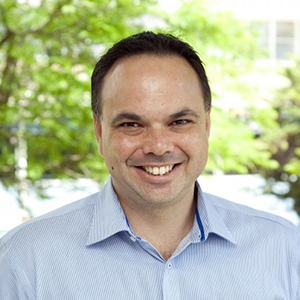
Gareth Baynam, University of Western Australia
Ritu Jain, President, DEBRA Singapore; Director, Asia Pacific Alliance of Rare Disease Organisations
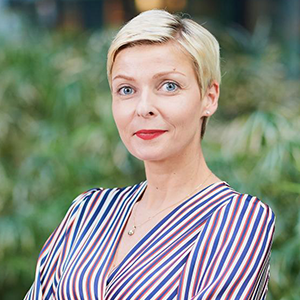
Daria Julkowska, Assistant Director, Thematic Institute of Genetics, Genomics & Bioinformatics, INSERM, France; Coordinator, European Joint Programme on Rare Diseases
Samuel Agyei Wiafe, Founder and Executive Director, Rare Disease Ghana Initiative
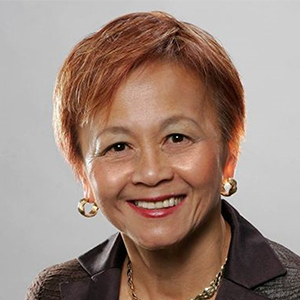
Durhane Wong-Rieger, Chair, Rare Diseases International; President and CEO, Canadian Organization for Rare Disorders
This program was funded by Fondation Ipsen. NPF is solely responsible for the content.