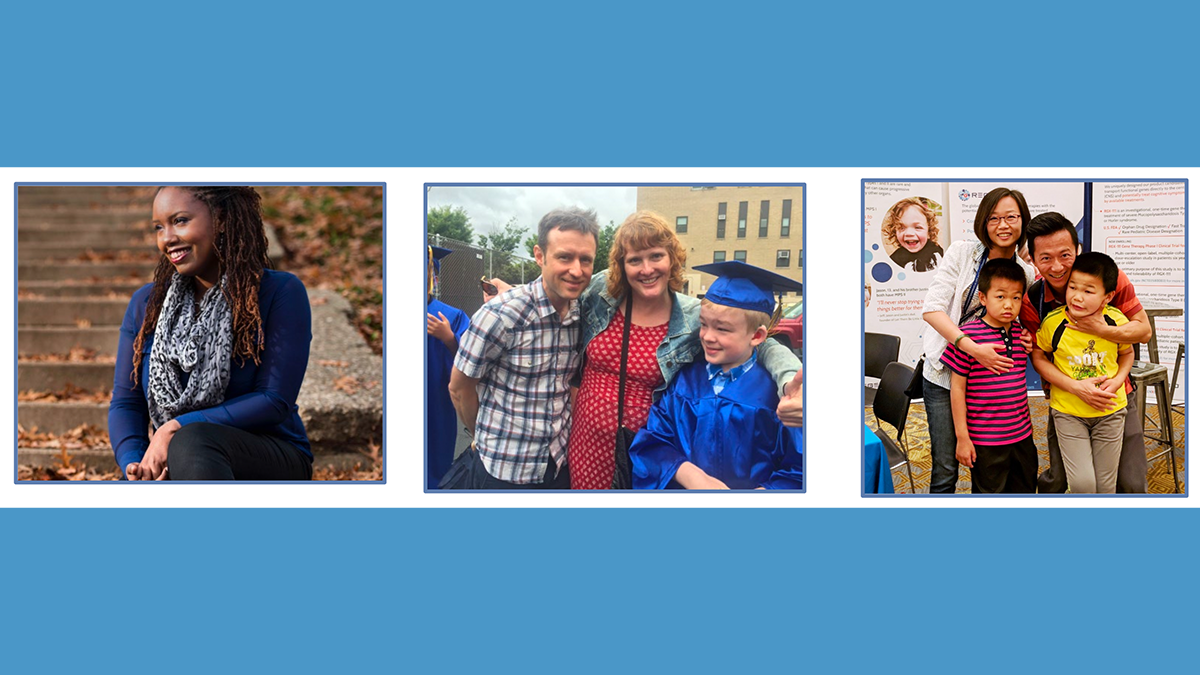
After decades of covering science and research issues for organizations like United Press International and the Washington Post, Rob Stein began reporting on the development of CRISPR gene editing therapy, a genetic engineering technique in molecular biology that modifies a cell’s genome by allowing existing cells to be removed or new ones added. It was no easy task, Stein said. But Stein’s NPR coverage of Victoria Gray, the first sickle cell patient to be treated with CRISPR, offers journalists a road map for superior science reporting. And Kenyan journalist Elizabeth Merab, who lives with sickle cell and reports on health and science for Nation Media Group, says it’s important to understand the science and research, but journalists must lead with respect and empathy. [Transcript | Video]
5 takeaways:
➀ Be ready for the long haul. Stein said he had been following the technology and research related to the development of the CRISPR gene editing technology for years before biochemists Jennifer Doudna and Emmanuelle Charpentier were awarded the Nobel Prize in Chemistry. When the research was finally moving out of the laboratory and into clinical trials, Stein decided zero in on that process. “I wanted to tell this story through the individuals, the actual patients who potentially would benefit from this and who were volunteering for these trials,” Stein said. He reached out to many researchers and biotech companies to try and find participants. “My goal was to try to follow some of these patients through the whole experience of volunteering for the trial, preparing for the trial, going through the treatment and seeing how well it worked or not.”
➁ New research can yield excitement—and uncertainty. For scientists and CEOs alike, much is at stake. And because proprietary technology is often involved, officials tend to be much more secretive and less willing to allow journalists to have access to the process. “There’s a lot of trepidation among the researchers and all the entities involved about allowing journalists access to that sort of things, especially so early on in the process,” Stein said.
➂ Finding the right person to tell the story is worth the effort. It took what Stein called a “mind-boggling” amount of time to negotiate with two different biotech companies and researchers at medical and academic centers around the world. “There were many times in the process where I thought I had an agreement to basically be able to follow a patient through a trial and then it fell through for one reason or another, or people changed their minds or got too worried.”
But Stein said he’s glad he stuck with it. “I hit the jackpot with Victoria Gray. She is one of the most amazing people I’ve ever met. She was, I think, probably the most expressive person I’ve ever interviewed. She articulated to me what it’s like to have sickle cell disease and what it was like to go through this very grueling process of being treated with CRISPR in a way that I really think communicated a lot of complicated stuff to people.”
➃ Firsthand knowledge of rare disease is a powerful motivator. Elizabeth Merab joined the NPF Rare Diseases training from a wheelchair at Kenyatta National Hospital, where she had been admitted after an episode of severe pain due to sickle cell disease. “These challenges personally make me want to tell stories of patients who go through the same ordeals. I really use compassion and empathy to tell my stories. I find that to be very relatable with people. I also talk to professionals and try to understand the jargon before I communicate it.”
Merab recognizes her disease affords her the opportunity to help other rare disease patients. “When you understand people, when you understand and appreciate the processes and the struggles and the challenges they go through, you’re able to communicate better.”
➄ Without empathy, your reporting can stall. While many rare disease families understand the power of media, Stein said journalists must give families the option of saying, “No, this is not how I want to spend my time right now. I want to be with my family, or I need to be focusing on my own health right now.” Remember that rare disease patients and families are very vulnerable. “They’re sick, they’re not feeling well. They’re also very anxious to be better and to get access to treatment. We want to make sure that people are okay with what we’re doing, that they are comfortable with participating in this and in no way do they feel obligated to do it or any pressure to do it.”
This program was sponsored by Fondation Ipsen. NPF is solely responsible for the content.