5 takeaways:
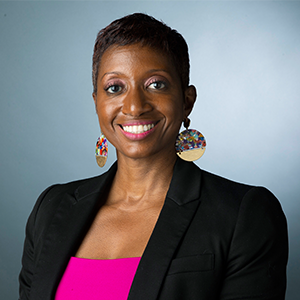
➀ Threats to journalists are rising by the day. For Katrice Hardy, the excitement of landing the top job at the Dallas Morning News in 2021 was tempered by the growing number of attacks on newsroom staffers. As she told NPF’s Widening the Pipeline fellows, one editor’s sister was harassed by a man who threatened harm if anything bad was written about him. Another reporter was threatened with hacking after reporting on someone who’d been charged with that crime. “We do this to serve our communities, but at the end of the day, we have to protect our staff,” she said. [Transcript | Video ]
➁ Stay abreast of resources for staffers. Numerous mental health toolkits are available as are new apps like DeleteMe, which continuously finds and deletes a user’s sensitive data online. Journalists must be more guarded than ever, Hardy said.
➂ It’s hard to be transparent when you’re also increasingly vulnerable. One way to counter the growing mistrust of journalists and the media is to be transparent about our work and how we do it. Hardy says she attends meetings and town hall events so that the public gets to know her — but that just makes her staff more vulnerable to people in the community who may have mental health challenges. “I think about that all the time, from every reporting job I had, even when somebody was mad at me, a council member was mad at me, we were able to have a conversation about it and move forward,” Hardy said. “And so I think now with technology, with being able to reach people immediately, being able to learn so much more about them with all the tools we use as journalists, that’s now being used against us.”
➃ Top executives are people too. Reporters on the front lines of school shootings, natural disasters and political violence can often be pushed beyond their emotional limits. So are media executives, Hardy says. But it can be difficult to acknowledge stressors when you’re expected to remain in control. Hardy says in 2020, when she was top editor at the Indianapolis Star, video of George Floyd’s murder deeply disturbed her. “I felt at that moment that it was really important to talk to the staff about the fact that I was struggling with this as well and here’s why.” Hardy organized a staff meeting to say, “As a Black woman, as the editor of the IndyStar, seeing that video, knowing that we’re going to have to cover this, I want you to know that I’m just as emotional.”
➄ Planning newsroom coverage and protecting mental health go hand in hand. As the country grapples with issues like gun violence, reproductive freedom and the ongoing impact of COVID-19, monitoring the mental and emotional well-being of staff must be an integral part of the coverage plan. Hardy says newsroom managers must ask, “Who can go? How long do we keep them?” Even when journalists want to stick with a disturbing story like the Uvalde mass murder, Hardy does not permit them to spend too much time on highly stressful assignments. “You have to prepare for the worst so that you ensure that you are doing all you can to protect not just your staff’s mental health, but the community and yourself.”
The Widening the Pipeline Fellowship is sponsored by the Evelyn Y. Davis Foundation, Bayer, J&J and Twitter. NPF is solely responsible for the content.