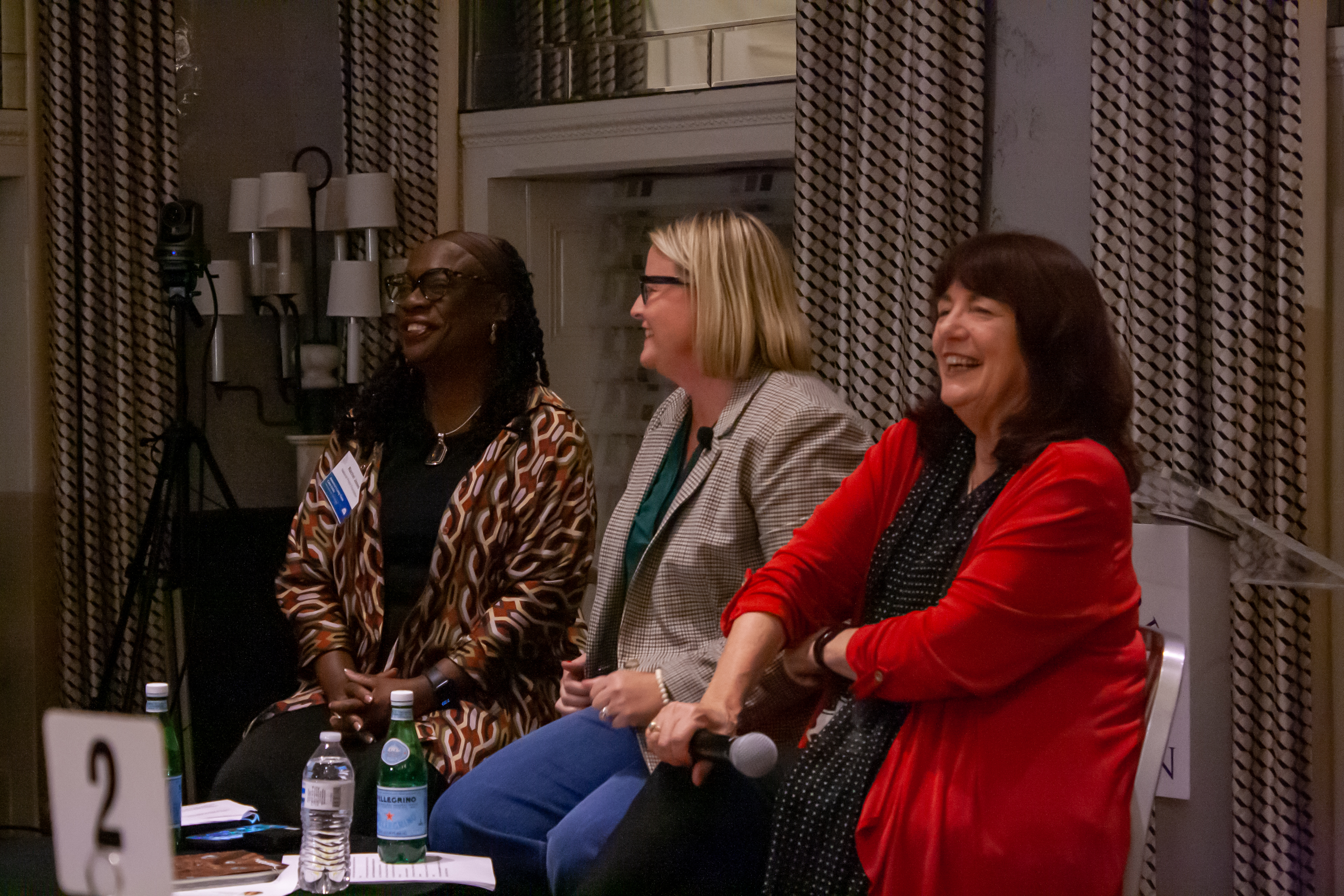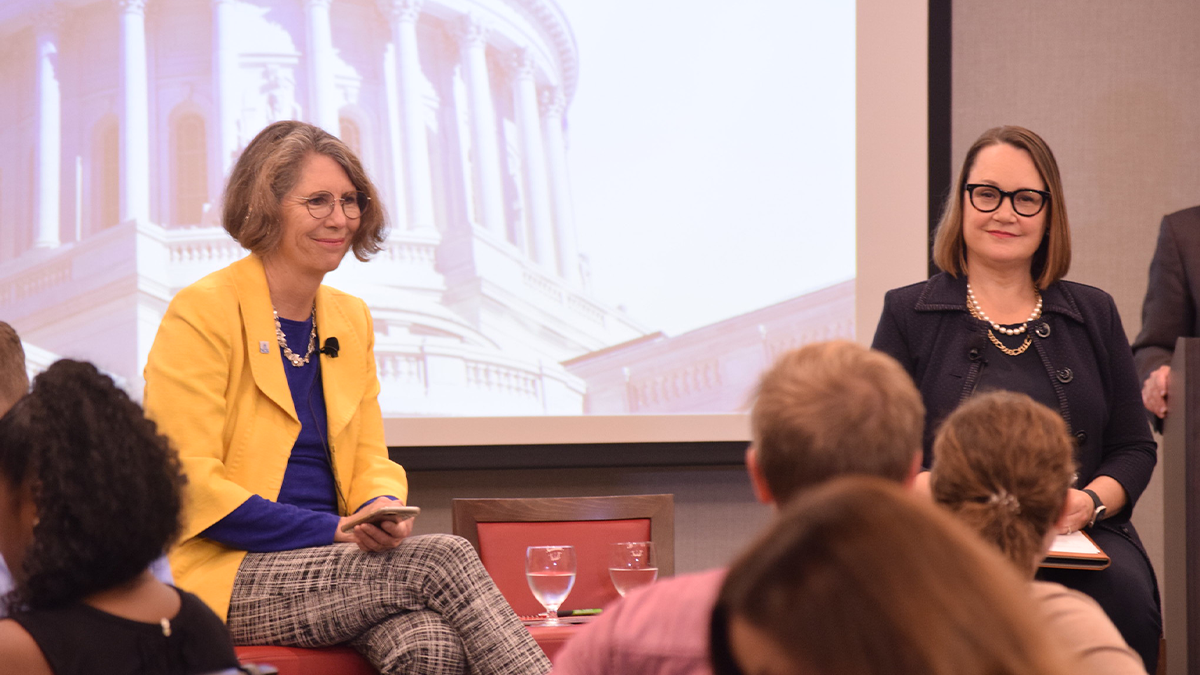
Aging has crept up on the National Academy for State Health Policy Executive Director Hemi Tewarsons’ priority list.
The pandemic shined a light on nursing homes and the gaps within caregiving, she told NPF Long-Term Care Crisis Fellows. Here’s what is on her mind:
Reforming nursing homes is priority.
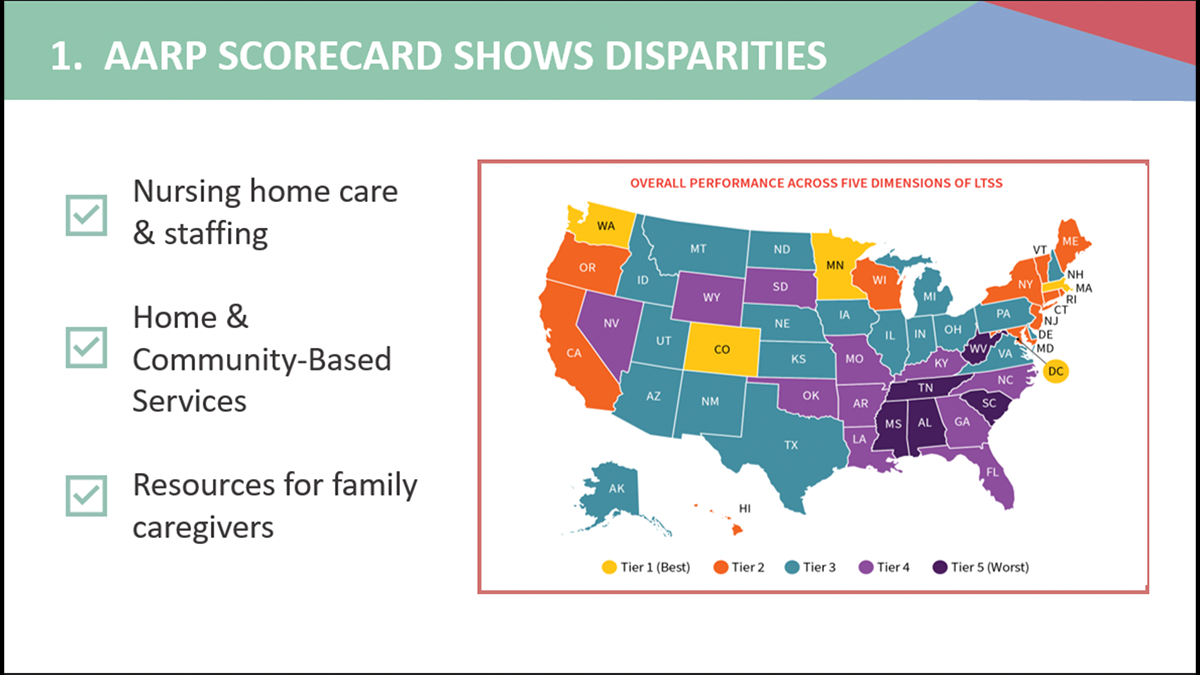
“More than 40% of Americans say nursing homes are unsafe,” she said, adding that seven in ten say they would be uncomfortable ever having to be admitted to one if they needed such care.
Ohio and New Jersey are two states doing “interesting work,” she said.
“…They have governors and legislators that have tasked them with both executive order and legislative change. You need to actually change how the nursing homes are delivering care to the people they’re serving.”
State policies are necessary to help expand the caregiving workforce.
The executive order focused on childcare workers and the long-term care workforce issued by the White House in April was the “first of its kind,” Tewarson said.
“And it doesn’t solve everything, but it’s really good to see, directionally, that there’s support there. I think underneath that, states are the ones that are actually implementing a lot of the change … and it’s a push to really see from their own legislators, to see what they can do to really build more off of what the federal government is doing.”
At least 22 states have increased Medicaid reimbursement for direct care workers – for personal care aides, home care aides or certified nursing assistants, she said. Some states have helped to build a more sustainable career trajectory, too. She said Colorado and Indiana are good states to look at.
“Colorado created a career pathway for nursing that identifies progression in education that can lead from home health aide, personal care aide, CNA, orderly, and licensed practical nurse and that has helped get people in the door and then also build them a path to move forward.”
Track caregiving legislation, she said.
Some states have a caregiving council that has regular meetings and could give you “breaking news of the things they may be doing,” she said.
“There’s just like a million bills sometimes and it’s overwhelming about which one actually has traction. But that would be another area. It depends on the state, there’s sometimes a very strong advocacy group in the state that has been tied into the Family Caregiving Council or the Caregiving Council, and they sometimes have their finger on the pulse of what they’re pushing for and what the state may be doing in reaction.”
Other key quotes:
“The other thing I’ll say that we are also tracking is, and this is not a new phenomenon, but private equity in nursing homes…. Private equity is coming in and buying them at certain locations. From a state perspective, that has not gone well in many instances because private equity model is, you buy a mature business, you change processes to make a profit at a certain percentage, and then you get out in five years. And so generally, private equity can work in certain instances. I’m not anti-private equity. But for nursing homes, it’s a pretty tough model because what you have to do is you have to squeeze staffing, you have to increase what you’re charging for.”
“I do also think telling a personal story of what these direct care workers are going through … We’re really holding up those stories and what is making a difference. There’s a state that’s really activated on this and they’re making investments. Are people taking advantage of that? Is it making a difference? Do people feel supported in these roles? How is it changing their lives?”
Access the full transcript here.
The America’s Long-Term Care Crisis Fellowship is sponsored by AARP, which also sponsors the AARP Award for Excellence in Journalism on Aging. NPF is solely responsible for the content.