As the U.S. enters a new flu season, advocates warn there is reason for concern: vaccination rates have dropped to near record lows while public trust in health care institutions is also declining.
Just as daunting are the staggering costs associated with treatment and economic loss, which have been estimated at $11 billion to $90 billion for the U.S.
“There’s no doubt about it that the flu itself, influenza, has a significant burden, economic burden on society,” said Robert Popovian, chief science policy officer at the Global Healthy Living Foundation, adding that more than half the costs are directly attributed to medical care while the rest is classified as lost productivity.
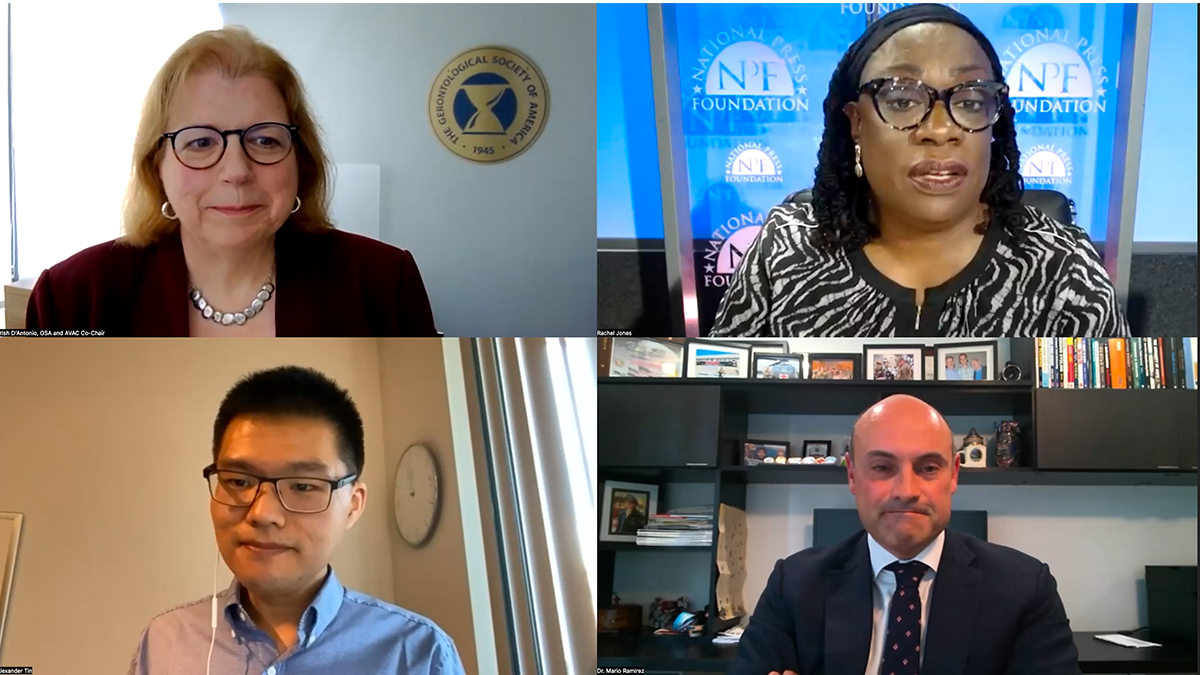
Popovian joined Dr. Sameer Vohra, director of the Illinois Department of Public Health; Dr. Cindy Hou, chief medical officer of the Sepsis Alliance; and Arthur Allen, a senior health policy correspondent at KFF Health News, to examine the challenges posed by the 2025-2026 respiratory illness season in a webinar hosted by the National Press Foundation.
Treating those most at risk
The physical and economic costs loom large this year, as influenza vaccination rates, which increased immediately following the COVID-19 pandemic, “have dropped to historical lows again, especially for our senior patient population and adults in general,” Popovian said.
While the flu season generally peaks between December and February, Vohra said it is too early to determine if the public has taken timely preventative actions.
“We’re seeing increased illness, and I think that’s when our healthcare providers, our public health departments – local, state, national – really begin getting into gear as we help support the system, put out our messaging,” Vohra said. “That’s when the very important preventative measures are necessary. And for those that get sick, having access to the important antivirals to limit the severity of illness is critical.”
These include Tamiflu for influenza or Paxlovid for COVID.
“It’s really important to have that kind of conversation of when you have symptoms start,” Vohra said, especially for high-risk or immunocompromised patients.
Health care literacy crucial
Early outreach, especially to the underserved, is crucial, Hou said. In addition to antivirals and vaccines, Hou recommends masking, distancing, “ventilation, hand hygiene – these are just critical.”
She also believes that authorities need to encourage overall health care literacy.
“I have been spending time in the community, and it’s best to build trust with folks by talking to leaders of faith-based organizations and community-based organizations,” Hou said. “Now is really the time to take a full (advantage) of prevention efforts. … We really need everybody out there to help to dispel any concerns or questions they may have at this time so that they can become more informed citizens and be more literate about their health information.”
Contradictory messaging undermining public trust
However, the communications strategy employed by federal public health officials has often has been contradictory, undermining public trust in key institutions.
“This is a very confusing situation because the messaging of the public health – federal public health – has been turned on its head and people who are on the fringe and very wary of vaccination … are now running things and sending out messages that are discouraging for vaccination,” said Allen who has long covered health policy.
Allen referenced a recent vote of the Centers for Disease Control’s Committee on Immunization Practices to roll back a recommendation for the universal hepatitis B vaccination for newborns, a practice credited with saving thousands of lives.
“I think the main thing so far that we’ve seen is just a very negative message of vaccine skepticism coming out of the administration,” Allen said.
A November survey by Pew Research Center found that nearly 60% of American adults said they didn’t want to get an updated COVID vaccine, although of those who had heard of the CDC changing its vaccine recommendations, most said that it did not impact their decision.
“We need to go back to the basics and think about what is the most important intervention in healthcare. To me, it’s immunization,” Popovian said. “As an economist that can tell you is the most cost beneficial one, and we need to make it much more accessible than ever before.”
Access the full transcript here.
This webinar is sponsored by the Respiratory Antiviral Alliance. NPF is solely responsible for its content.