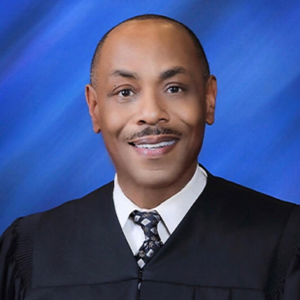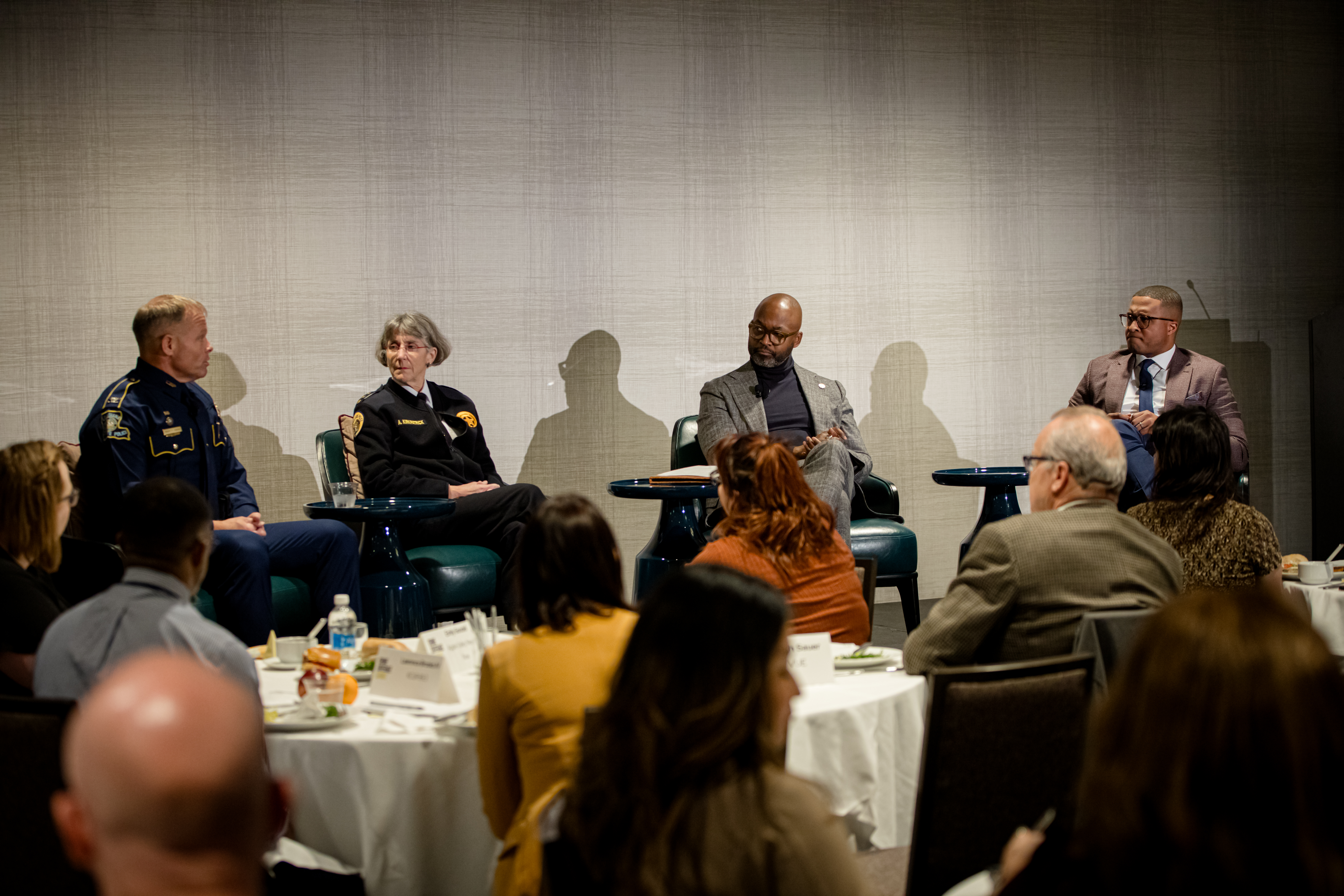
Criminal justice reporters face inherent challenges in covering the nation’s juvenile courts where proceedings are largely closed to the public and the identities of the accused are kept confidential, the chief judge of the New Orleans Juvenile Court said.
At the same time, Judge Ranord Darensburg told reporters at the Crime Coverage Summit that the press is “crucial” to demystifying the system that is aimed at “redirecting” young offenders rather than punishing them.
“This gap between the courts and the media is a far…wide gap, and we tend to not really understand one another,” Darensburg said. “But we can work together…”
“Do we consider the media nemesis or resource that can be used to deliver a message?”
The disconnect, Darensburg said, has left the public with an inaccurate perception of juveniles and their involvement in local criminal activity.
“What people don’t know is 80% of the youth that are arrested—that come through our court—come one time,” the judge said. “We have programs and opportunities for these youth to redirect their lives, and we’re able to get that done 80% of the time. “About 14% of youth come two times to court. They’re arrested twice. So that leaves a very small percentage of youth that are coming multiple times… That data is inconsistent with the public’s perception of what’s going on.”
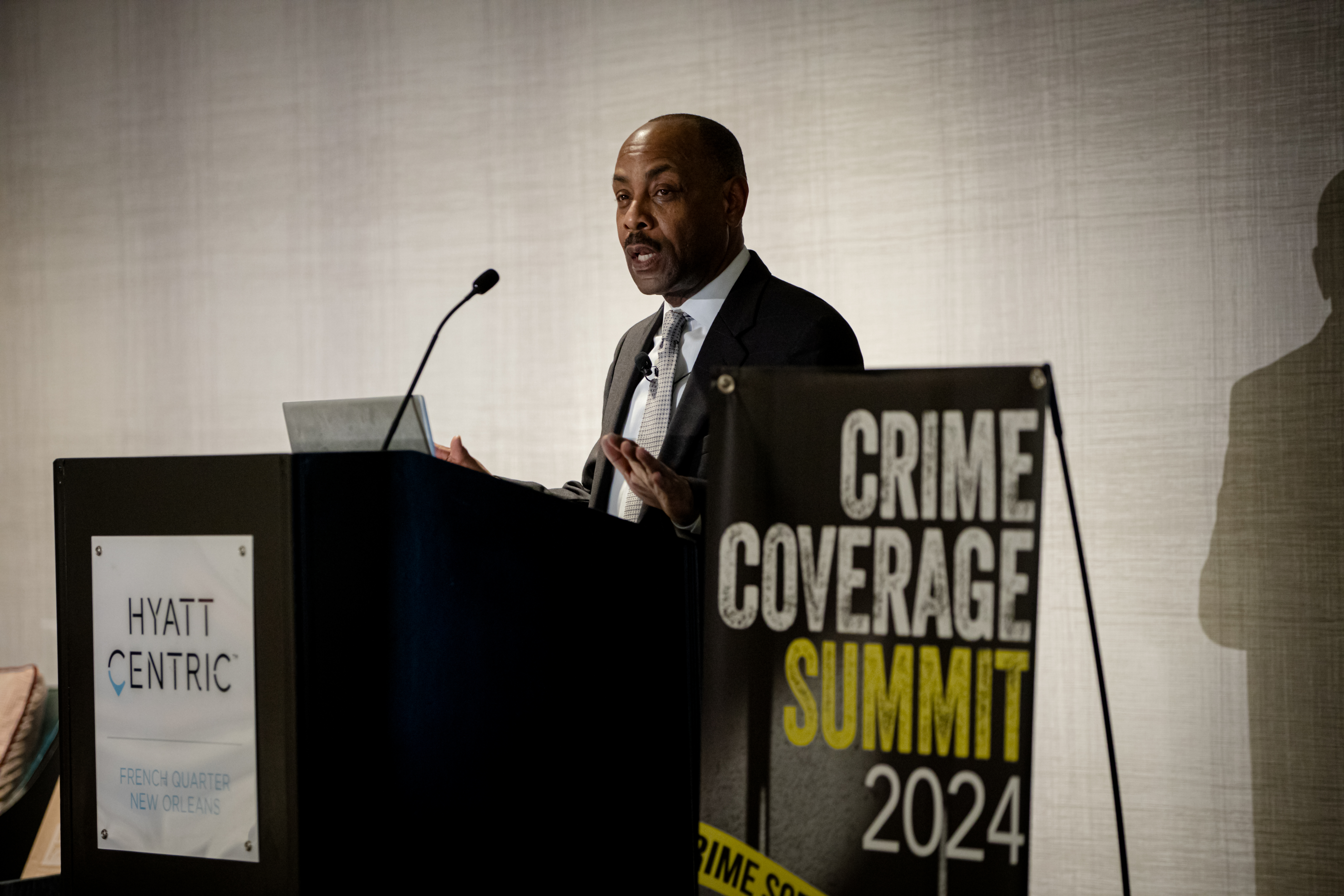
Judge Ranord Darensburg: Photo by: BP Miller/Chorus Photography
Darensburg said the public’s perception often is of “juveniles running all over the cities, marauding around killing and shooting and committing crimes.”
“In fact, the data is not consistent with that. And what we see in our courts is a real opportunity, because oftentimes the juvenile court is the last stop at the last opportunity for youth to have a positive interaction or a positive outcome from the court.”
Access the full transcript here.
Crime Coverage Summit 2024: Beyond ‘If It Bleeds, It Leads’ was sponsored by Arnold Ventures and hosted by NPF and RTDNA. NPF is solely responsible for this content.