Meaningful criminal justice reporting requires journalists to test initial law enforcement narratives and seek other crucial sources of information to better inform the public in the daily search for truth, veteran Texas journalist Tony Plohetski said.
“The police, frankly, sometimes are wrong in the initial information that they give us,” Plohetski, an investigative reporter at the Austin American Statesman and KVUE, told journalists at the Crime Coverage Summit hosted by the Radio Television Digital News Association and the National Press Foundation. “It’s important that we continue to do our due diligence … trying to really substantiate and corroborate what the police are telling us.”
Plohetski, recently honored for his groundbreaking reporting on the 2022 Uvalde school massacre, urged reporters and news organizations to expand their source networks beyond just police to include prosecutors, defense lawyers, witnesses, community advocates and others to bolster their reporting.
Plohetski’s news organizations were the first to obtain the 77-minute hallway video from inside the Uvalde elementary school that vividly showed the failed police response, contradicting law enforcement’s initial accounts.
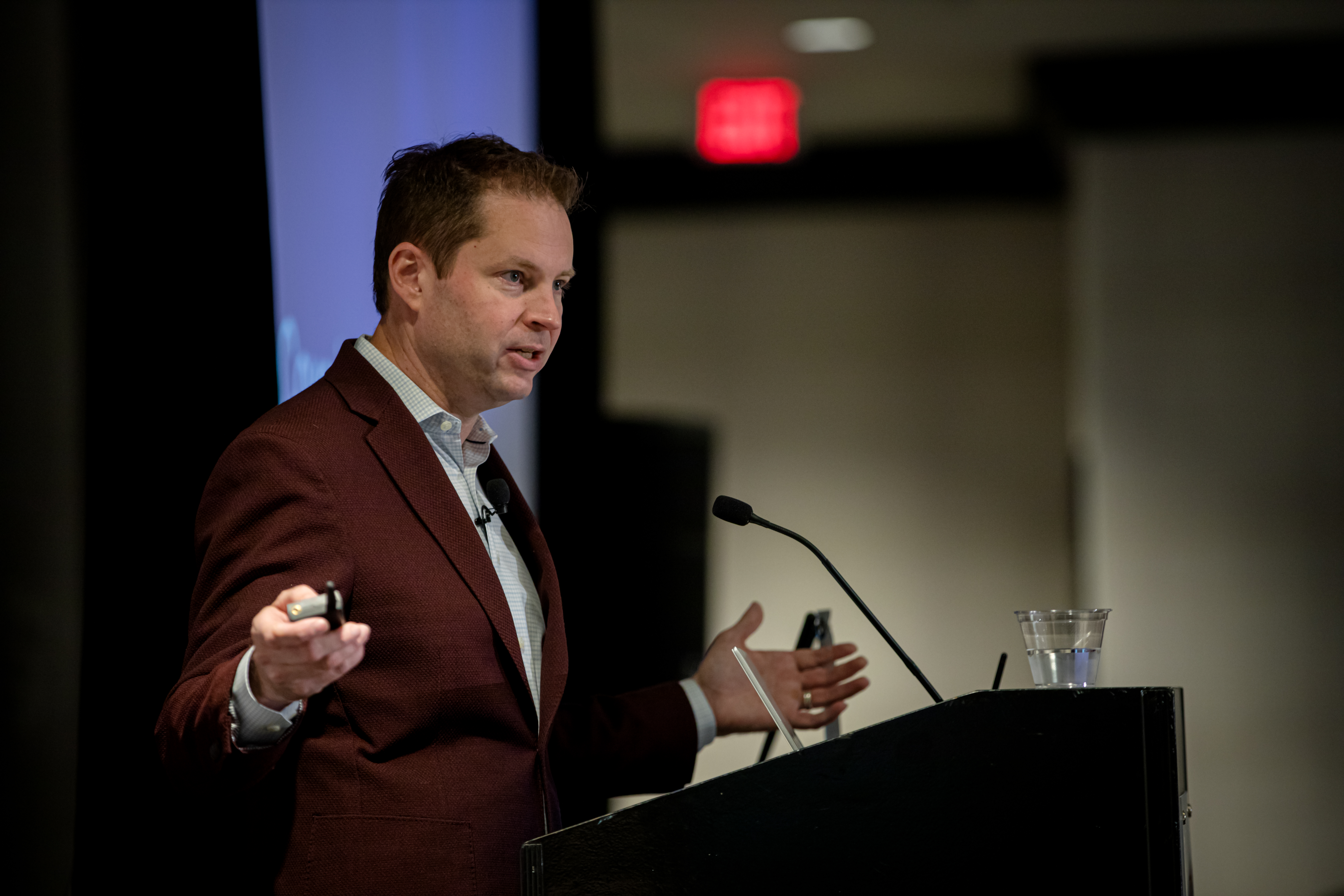
Tony Plohetski, Photo by: BP Miller/Chorus Photography
“The highest and best use of our time and journalistic resources and power, if you will, is through investigative reporting – stories that call police and policing and law enforcement and really the entire criminal justice system to account,” Plohetski said.
“If you’re not asking, or politely demanding, regular time for source development, I think that is a definite miss for a news outlet,” he said.
Access the full transcript here.
Crime Coverage Summit 2024: Beyond ‘If It Bleeds, It Leads’ was sponsored by Arnold Ventures and hosted by NPF and RTDNA. NPF is solely responsible for this content.