As Americans confront steadily rising costs due to inflation, the cumulative effect of a persistent gender gap and the crushing weight of caregiving are causing significant stress and insecurity for older American women. While there’s no way to tell how prominently financial anxiety will figure in the November mid-term election outcomes, but journalists should be prepared.
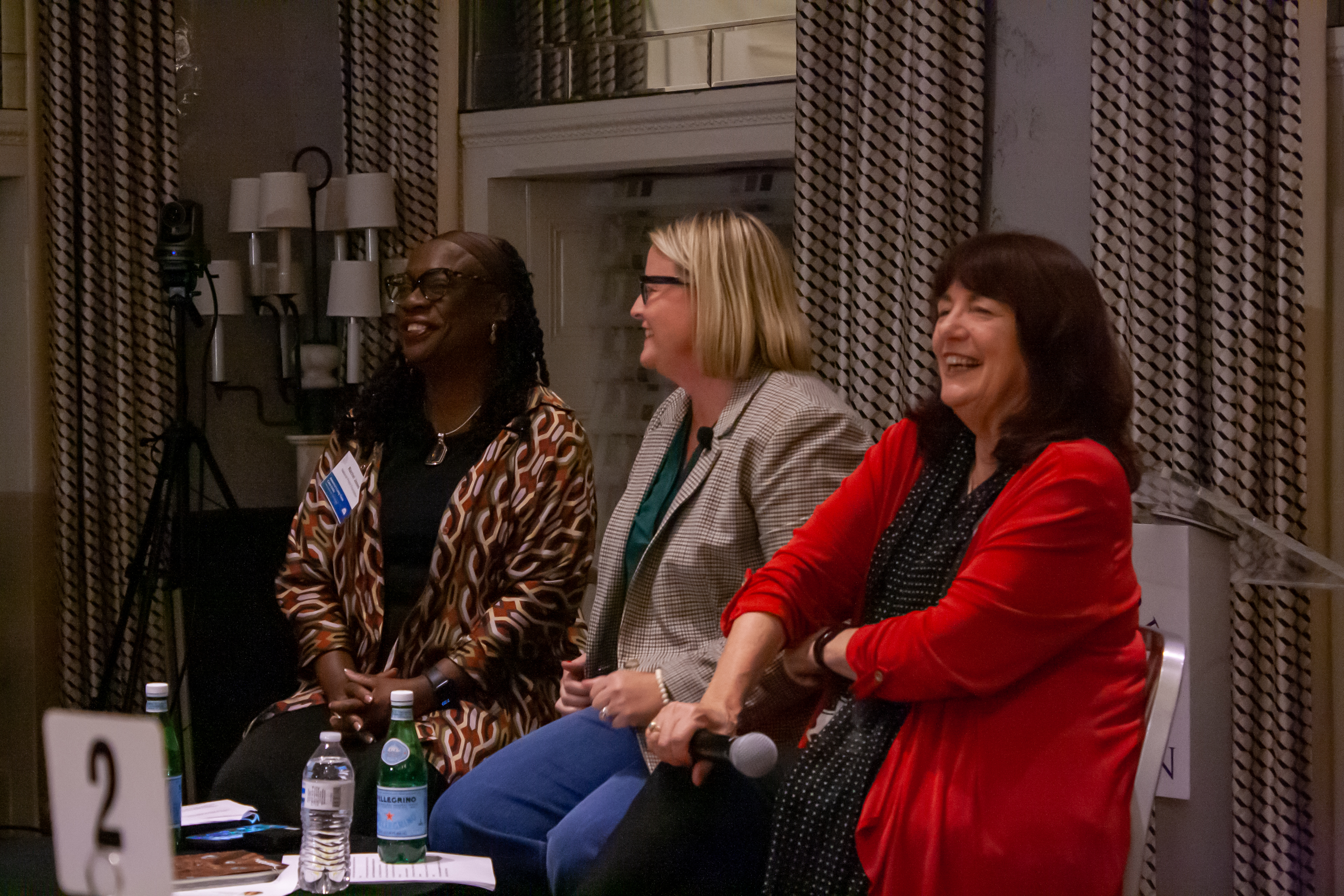
On April 9, NPF convened a panel of experts to provide contextual insights for journalists hoping to produce accurate, insightful stories about this issue. The webinar focused on a recent survey conducted by AARP about the impact of financial insecurity on women voters aged 50 and older. Specifically, those in the 50 to 64 age group report significantly greater stress than women who are older, and men aged 50 and older. Combine the rising cost of living, the caregiving crisis and worries that Social Security won’t help make ends meet, and there’s more to the story about how those women are coping ahead of the midterms.
The panel of experts exploring this issue included:
Nancy LeaMond, AARP’s chief advocacy and engagement officer:
Kristen Soltis Anderson, a founding partner of Echelon Insights, an opinion research and analytics firm that serves brands, trade associations, nonprofits, and political clients;
Margie Omero, a Principal at GBAO, a firm with broad expertise in survey research and strategic consulting in corporate communications, branding strategy, international relations, and political campaigns;
Yana van der Meulen Rodgers, a Professor and Chair in the Department of Labor Studies and Employment Relations at Rutgers University;
Michelle Singletary, the personal finance columnist for The Washington Post whose nationally syndicated work plays a crucial role in consumer advocacy and financial literacy in American journalism.
LeaMond provided a solid framework with what she called “breathtaking” data that captures the core of this financial crisis for older women. “The US Census Bureau reported that full-time working mothers with children under 18 earned 31% less than their male counterparts. That’s $500,000 over the course of a 30-year career. Then, when women enter their 50s and are starting to think about retirement, they have fewer pension assets, and they also are likely to get a much lower social security benefit.”
As the lead researchers on the AARP survey, Soltis Anderson and Omero identified deep rooted anxiety for respondents. “Part of what we found was that there’s a little bit of partisanship that’s driving some of this,” Soltis Anderson said. “Republican women were feeling much better about the way the economy is going or their expectations about the economy over the next year relative to Democratic women. But you also see that there is a gender gap. And for women 50 plus, they are much more likely to feel like their finances are less secure relative to men. In the same age category, they are much less likely to say that they feel confident they’ll be financially well off.”
In conversations around the country, Omero said a common thread emerged. “When we ask people in focus groups, how are you planning for the future? How are you planning for your retirement? Somebody memorably said, ‘I’m not planning. I’m just living.’ And you could see that in the data and the survey data as well, where you see the large percentage of women who say that they have some sort of debt or struggling. If they had an emergency to pay that amount, they would have a hard time paying for an emergency expense.”
These concerns affect women worldwide, van der Meulen Rodgers said. That’s because women spend a greater share of their income on basic necessities like food, care, healthcare, utilities. “So they are hit harder by inflation, especially if women in older ages are on fixed incomes, they are less able to protect themselves against some of these shocks and the higher prices with labor supply or even through credit. So they’re more vulnerable.
Further underscoring the role gender plays globally, van der Meulen Rodgers said women provide the majority of unpaid care, which serves as an unvalued subsidy to the economy. Financial insecurity for older women is also greater in countries like the U.S. that lack strong public insurance systems, she said.
While it’s a difficult, sensitive issue, journalists who authentically navigate their communities can amplify these issues for older women and their families, Singletary said. For example, she’s currently working with other members of her church to raise money to support a fellow parishioner who’s struggling to get Medicare coverage. “A lot of the people that I meet, they are worried about and helping and giving money to their adult children who aren’t not finding jobs, or the jobs they have don’t pay enough or their adult children can’t buy their own home. So they may be taking money out of their retirement, their savings to help them get a home or bridge the gap when they lose their jobs.”
While it’s hard to predict voter decisions, LeaMond said journalism that focuses on real-world, human-centered economic decisions could move the needle. “I’d be pretty happy if we came out of this year shining a light on those stories, so many of which… are the main topics of conversation (at) the kitchen tables and in the communities.”
Access the full transcript here.
This event is sponsored by AARP. The National Press Foundation is solely responsible for its content.