Election officials are living in a state of fear right now, said Tina Barton, senior election expert at The Elections Group.
Barton, who was threatened after the 2020 election, said election officials are fearful for their own safety. Because of this, officials are increasingly hesitant to talk to the press.
“Your profession’s under attack, people blast the media all the time. Guess what? We’re under attack too,” Barton said.
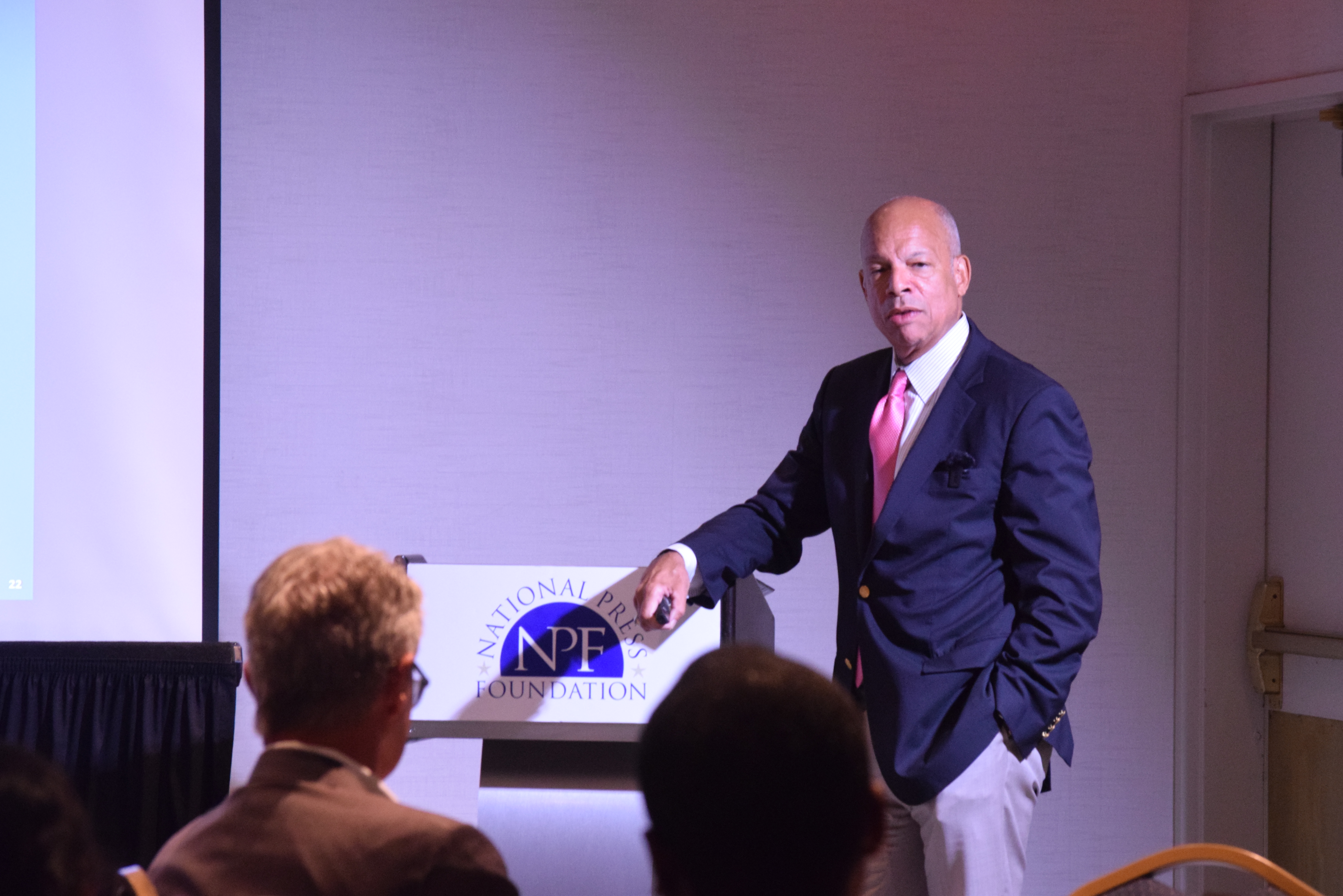
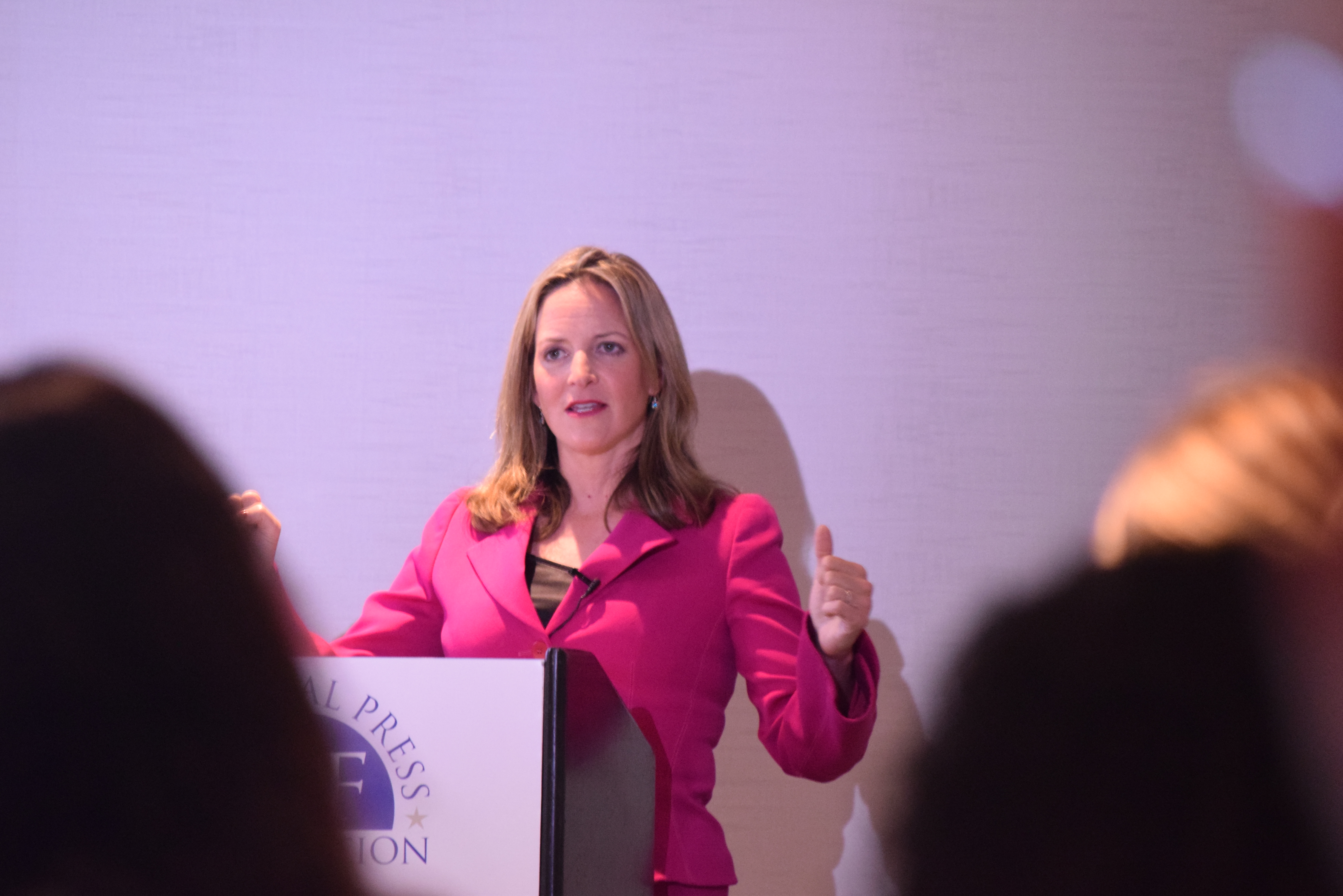
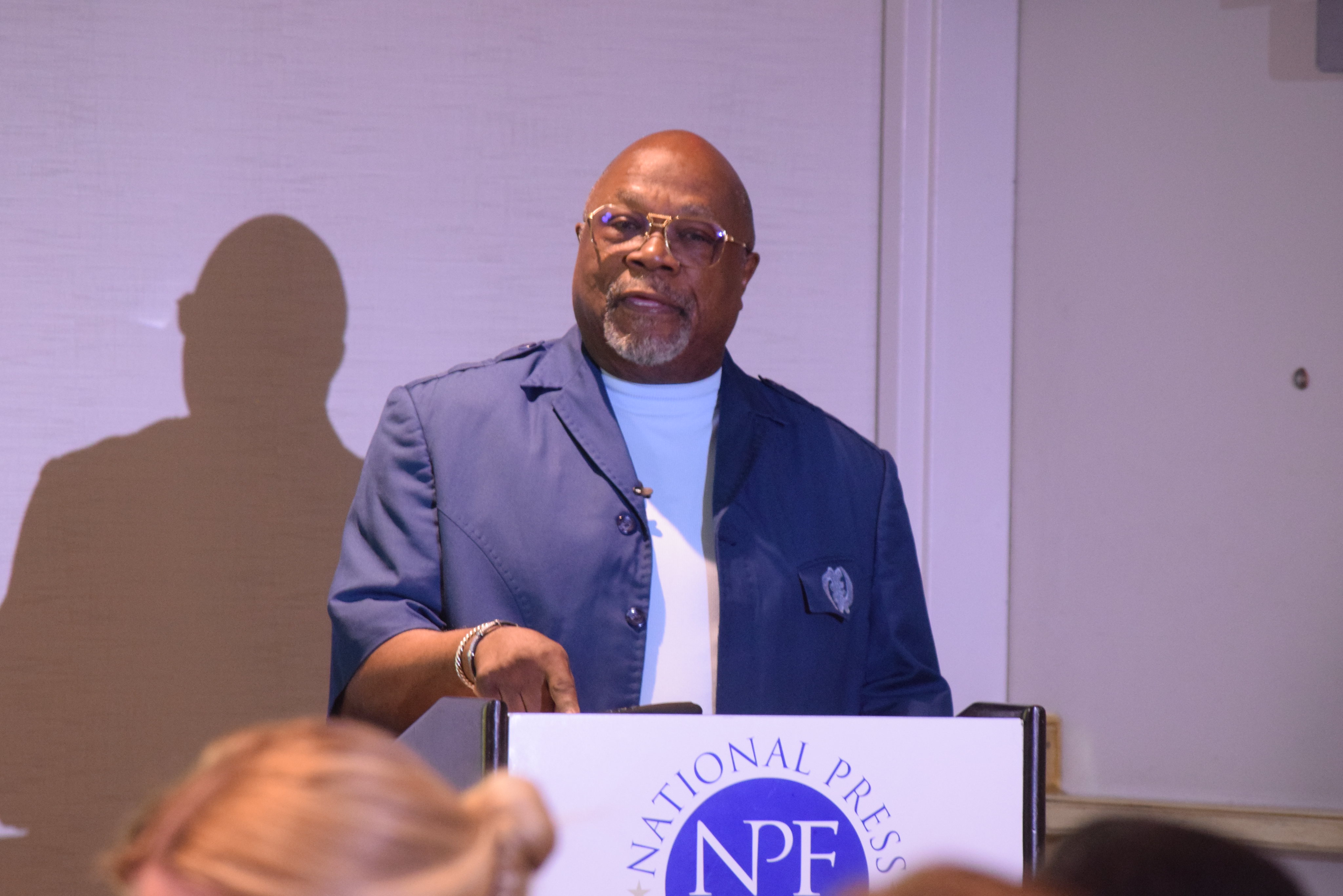
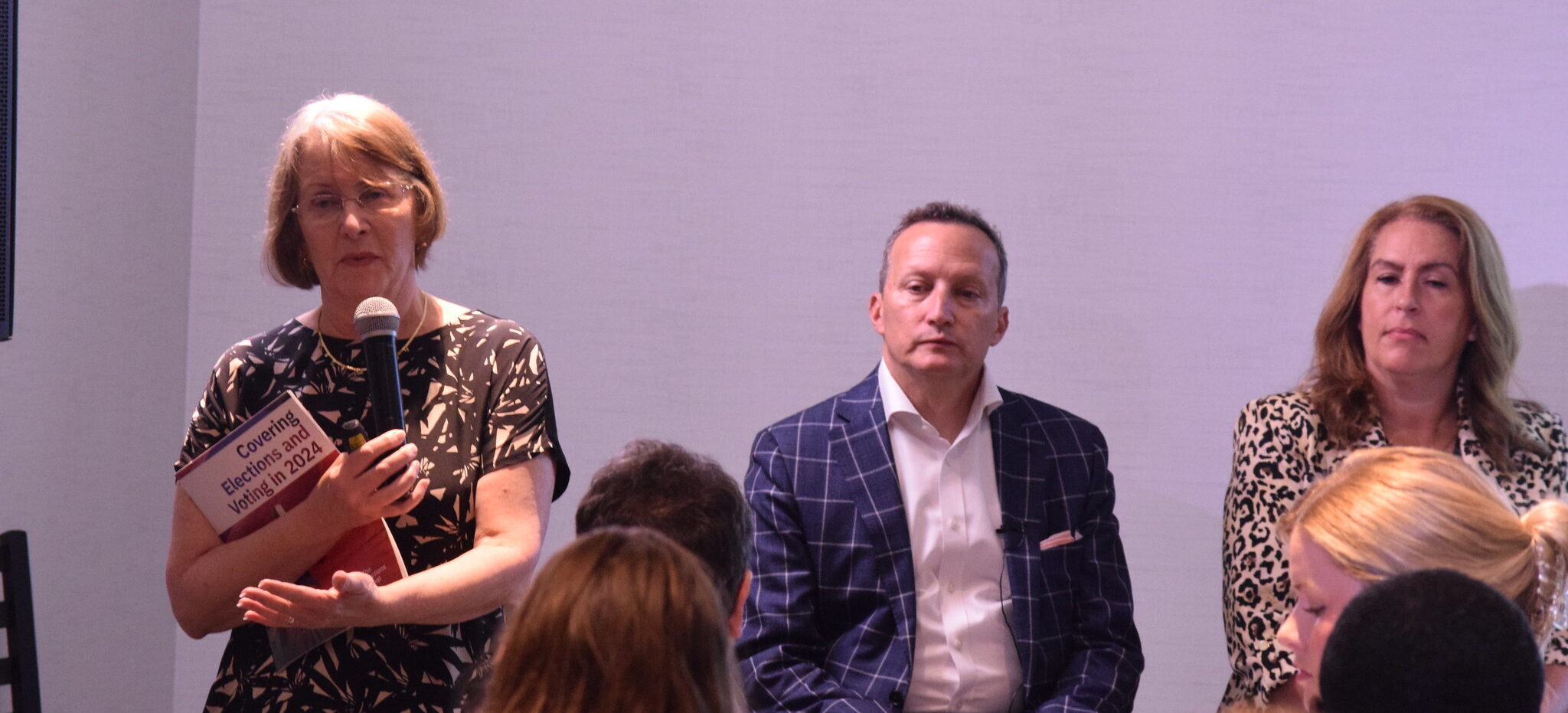
Barton, alongside former NPR reporter Pam Fessler and David Becker of The Center for Election Innovation & Research, spoke to NPF’s 2024 Elections journalism fellows on best practices while covering the upcoming election.
Barton said that many election officials are not being encouraged by their local teams to speak publicly because of the controversy surrounding it.
“There is an atmosphere of let’s just take care of business and mind our own business mentality out there … The last thing election officials want to see is their name in the paper.”
This is why it’s so important for journalists to reach out to election officials early.
“Exchange information with them. Let them get to know you so that they trust you, so that when something happens in October or November or maybe even December, you know who to call. They will answer your call, and they will give you the information that you need,” said former NPR Correspondent Pam Fessler.
Fessler also told journalists they should go learn the election process first-hand though a tour or a poll worker training class. Watch them test machines, design and print ballots.
“It really teaches you a lot about how the system is supposed to work … [so] you can explain it better to the public,” especially “when somebody comes up with some claim that there’s something funny going on.”
Don’t ignore the conspiracy theorists, she said.
“It’s very important as a journalist to go and find out what it is that is motivating the people who are challenging elections, who are making claims about maybe things not going the way they want it to go.”
Becker said that there are myths about elections that are believed sometimes by both parties.
One is that voting is hard, he said.
“It has never been easier to vote in the United States of America than it is as we sit here today … There is more access to online voter registration, automatic voter registration, same day registration than ever before.”
Another myth is that “voting is rife with fraud” and that “voter fraud is really hard to catch.” To this he says, “We have more protections about fraud than ever before. Voting fraud happens, so it’s not zero, but it’s pretty darn close to zero … There’s this myth that voter fraud is really hard to catch so what we see is just the tip of the iceberg. Voter fraud is one of the easiest crimes to catch in the United States of America. And I say this as a former DOJ attorney.”
Becker said the Center for Election Innovation & Research will be releasing one-pagers on election security, voter registration and the common factors amongst all the states as November nears.
For reporters new to the election beat or seasoned journalists looking to sharpen their chops, Fessler wrote “Covering Elections and Voting in 2024: A Media Guide” for The Elections Group.
Fessler also reminded journalists not to focus only on problems.
“There really are some heroic stories of people not only run our elections, but who volunteer,” she said. “There’s stuff going on all the time related to elections, and every single one of those offers an opportunity for stories.”
Access the full transcript here.
This program is funded by Arnold Ventures. NPF is solely responsible for the content.



 Reload document
 Open in new tab