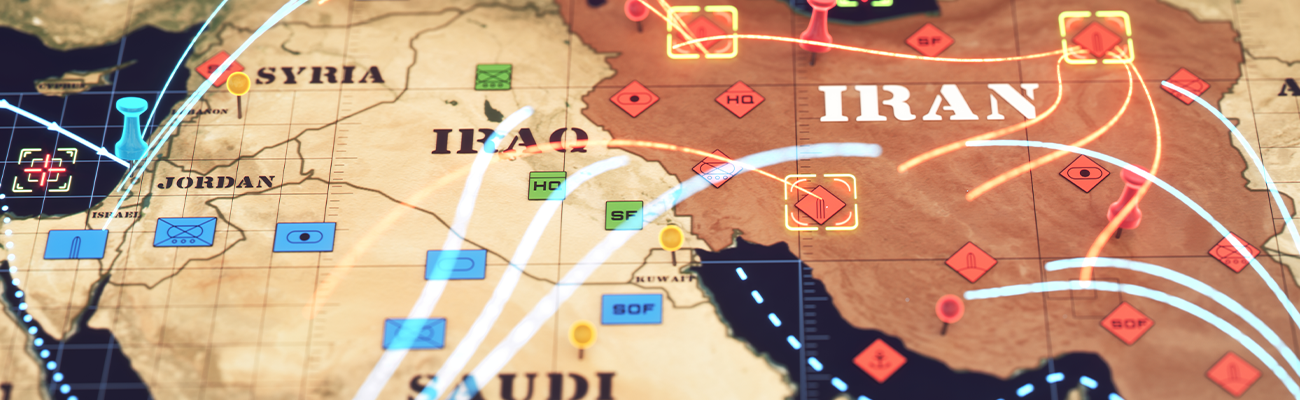
The Trump administration’s varying explanations for joining Israel in launching a war against Iran, sparking a new regional conflict in the Middle East, is “unthinkable,” a former Pentagon official said.
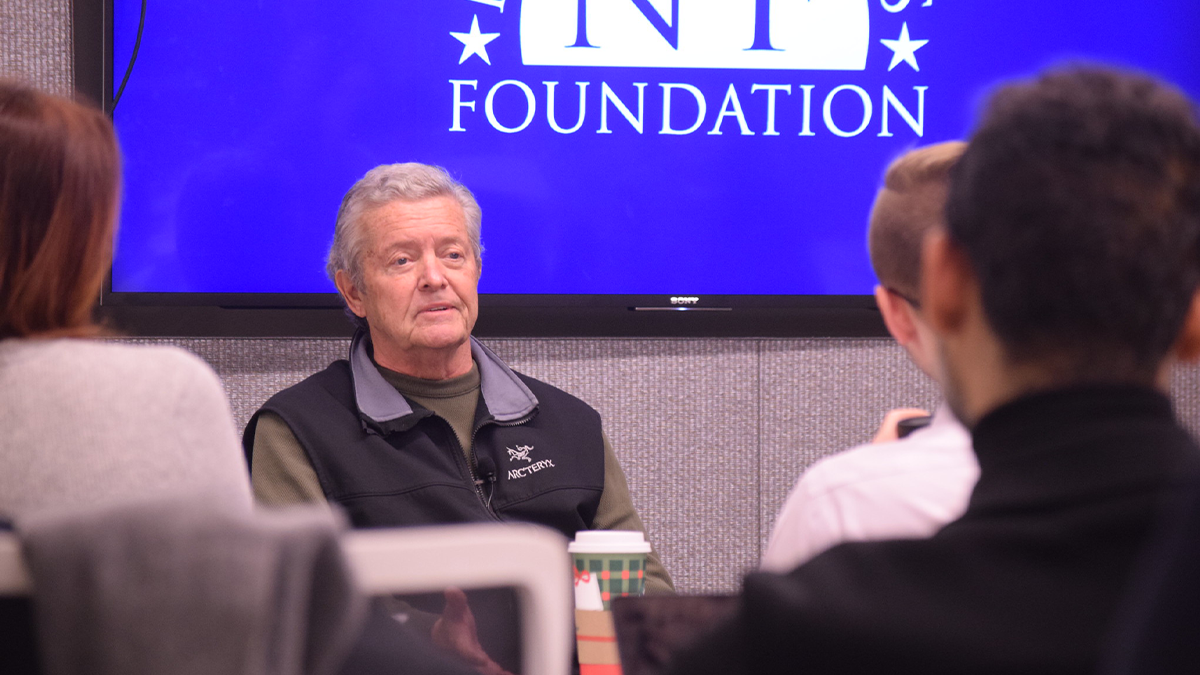
David Lapan, a former spokesperson for the chairman of the Joint Chiefs of Staff, told the National Press Foundation’s Paul Miller Washington Reporting Fellowship that the administration’s lack of clarity and public accountability marks a striking departure from the government’s obligations during wartime.
“I tend to use the word unprecedented a lot in recent years because this is (something) that I never imagined,” said Lapan, who also advised several defense secretaries during a long career in government. “The other term I use is unthinkable.”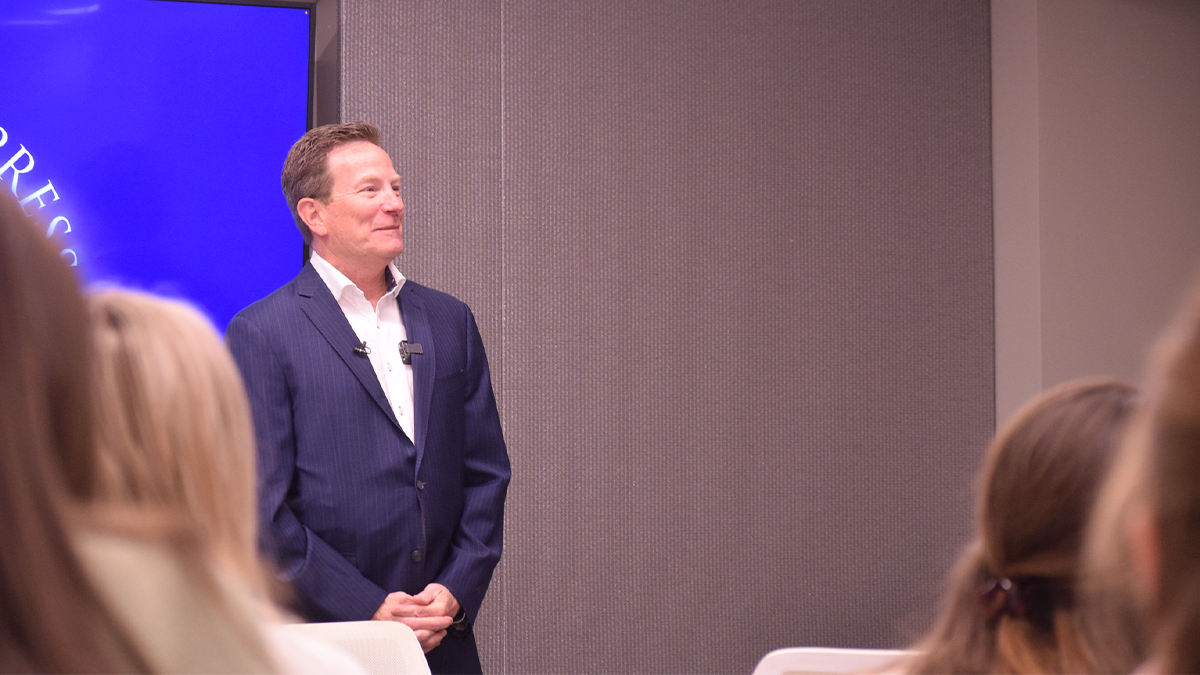
Since President Donald Trump announced the campaign two weeks ago in a pre-dawn recorded video, explanations have ranged from a push to free the Iranian people from an extreme regime to declaring the nation’s missile arsenal an imminent threat. Reuters later reported that Pentagon officials told lawmakers that there was no intelligence indicating Iran was planning a pre-emptive strike.
The changing explanations, Lapan said, underscore a lack of strategic planning, including public messaging, that has been fundamental to conflict preparations across Republican and Democratic administrations.
“The key point is throughout Democratic administrations, Republican administrations, I’ve never seen it like this,” he said. “This is unique in bad ways. In terms of what I’ve seen, frankly, since the announcement first came to the war in Iran, it’s been a mixture of disbelief, anger –frankly, for me, sadness – that seeing this happen the way that it is.”
Especially during war time, Lapan said the public had long benefitted from a veteran, resident Pentagon press corps to aggressively track developments. But that arrangement also has been upended dramatically during the new Trump term.
Last October, much of the Pentagon press corps surrendered their credentials and left the building after refusing to sign a directive prohibiting reporters from seeking information not authorized by the government. This week, The Washington Post reported that the Pentagon was barring news photographers from future briefings on the war after published photos of Defense Secretary Pete Hegseth were deemed unflattering by Defense chief’s staff.
“What we’re missing now as a public is that we don’t have experienced journalists in the building – day in and day out – covering essentially the heartbeat of the defense department,” Lapan said.
With a defense secretary often prone to hyperbole, Lapan said military leaders have been placed in awkward positions to responsibly explain events on the ground and the tragic costs of combat.
“A good example is on the day of the first briefing, you may remember that Hegseth, in his rant, talked about how the press was hyping up the casualties, that they were front page news because you just want to make the administration look bad. And it left the (Joint Chiefs) chairman to be the person to say, ‘Our condolences to the families of the fallen…’ Those are things that the secretary would normally do.”