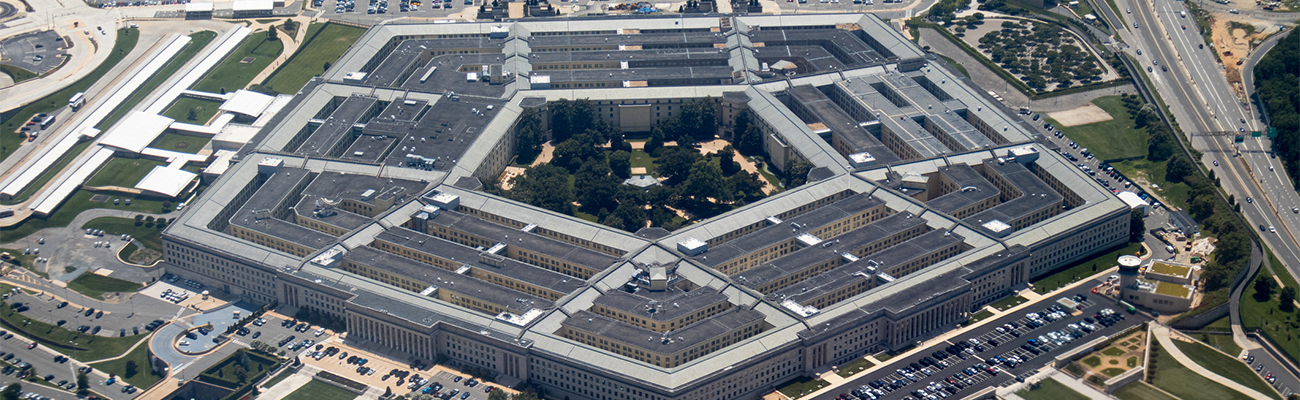
Nearly two months after members of the Pentagon press corps surrendered their building credentials rather than abide by a restrictive Defense Department policy that would limit their work, the lack of access has not halted the flow of groundbreaking reporting.
The Washington Post’s reports on U.S. military strikes on a suspected drug boat, which also killed two survivors, has sparked congressional inquiries and calls for Secretary Pete Hegseth’s resignation. CNN and NBC News have since followed with exclusive reporting of their own on the closed-door testimony of the Navy admiral who oversaw the strikes.
The New York Times and National Public Radio, meanwhile, were among news organizations that obtained early findings of an inspector general’s report sharply critical of Hegseth’s use of a messaging application to share advance details of U.S. airstrikes against Yemen earlier this year.
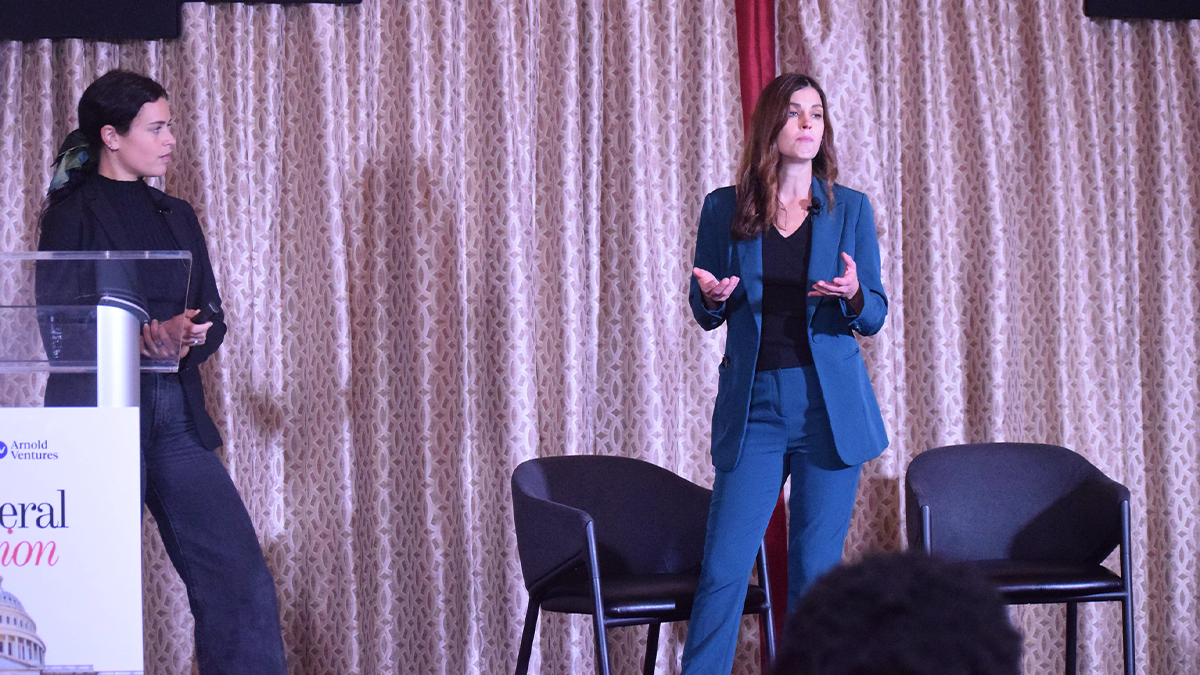
While reporting from outside the building has proved “challenging,” Tom Bowman, NPR’s longtime Pentagon correspondent, told the National Press Foundation’s Paul Miller Washington Reporting Fellowship program that the administration’s extraordinary press regulations is prompting disgruntled insiders and former staffers to share important information with reporters.
“There’s no question … (there’s) a chilling effect. But again, some people are still talking with us and we just have to hustle more,” Bowman said, adding that the administration’s purge of senior officers and other career officials has encouraged cooperation with the press that likely would not have occurred before.
The Pentagon’s policy requires reporters to promise not to gather information for publication unless it is cleared for release by Defense authorities. The regulations extend even to non-classified information. The New York Times has filed a legal challenge to the policy, enacted in September, describing it as an infringement on the First Amendment and the free press.
“What ripple effect do you think that has on the force, and how pissed off do you think people are?” Bowman said. “Therefore, they rise up. But we’re seeing that repeatedly now. All these stories come out in The Post and The Times – people are are helping us a lot of times (who) wouldn’t have in the past. I think we’ll see more of that as we move on.”
Banished from the Pentagon, Bowman and other beat reporters are increasingly reaching out to embassy officials, retired military officers, congressional staffers, contractors and off-campus meetings with current officials.
“The workarounds are coffee and beer,” Bowman said. “We’ll meet after work outside of the Pentagon. You also want to keep in touch more.”
On Capitol Hill, Bowman said congressional aides assigned to defense-related committees are key points of entry who are often more familiar with key details than their bosses.
“Sometimes they’ve been there longer than the congressman, so keep that in mind when you’re reporting. I would take one staffer sometimes over five members of Congress because they’re spread thin. They can’t devote all their time to a topic that you might be interested in.”
The Pentagon’s controversial policy also proved to be a useful icebreaker for journalist and prospective contacts.
At a recent reception for military attaches from across the globe, Bowman struck up a conversation with a Chinese official.
“He said, ‘So tell me about this Pentagon Press policy.’ I said, well, basically we have to wait until they give us information. We can’t reach out to anybody in the Pentagon and ask ’em what’s going on behind the scenes. So we have to wait until they release something and then we can report on that.
“He said, ‘Oh, kind of like us.’ ”
Access the full transcript here.