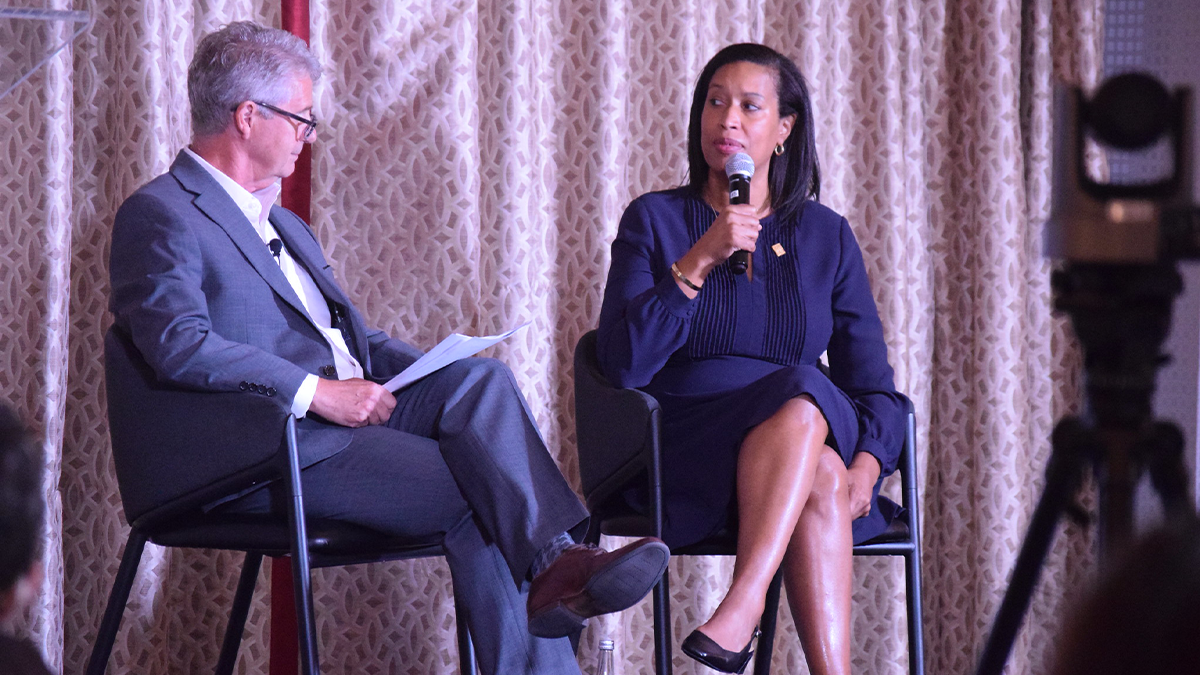
Deep sourcing and authoritative reporting have never been more important, as the federal government moves to limit journalists’ access to key institutions, former top press secretaries told the National Press Foundation’s Federal Action, Local Impact Journalism Fellowship.
Mike McCurry, who served as President Clinton’s spokesperson, and David Lapan, who oversaw press operations at the Department of Homeland Security during the first Trump administration, urged a more assertive brand of reporting to call out misinformation while focusing on the human implications of administration policy decisions.
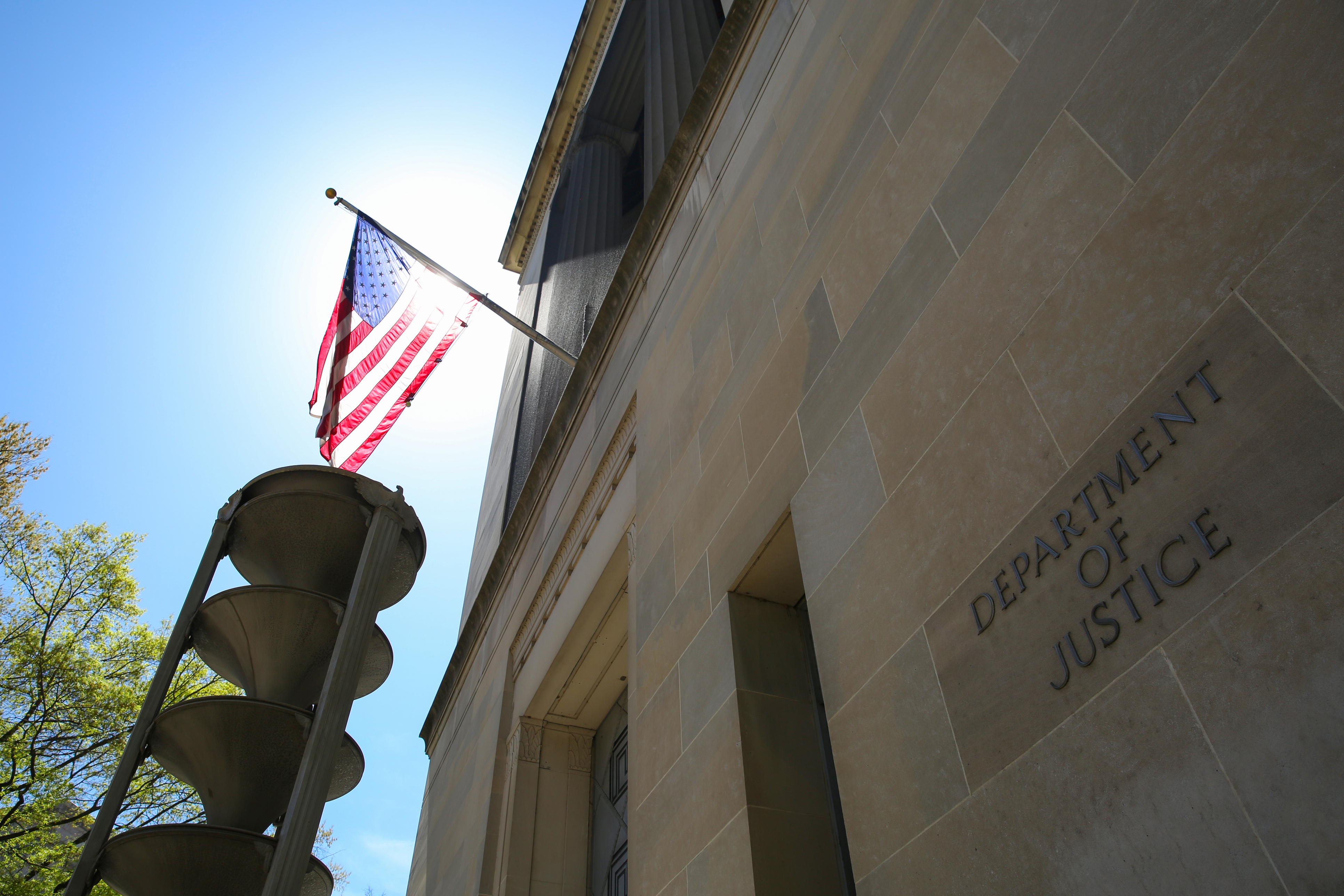
Lapan, who also served as a Pentagon press officer, called the recent Pentagon directive, which sought to limit reporters’ access to only government-approved information, “terrible.” The policy was summarily rejected by all but one news organization, requiring the press corps to surrender their building credentials earlier this week. The White House, meanwhile, has also targeted individual news organizations, including the Associated Press, for exclusion from events and presidential travel.
The collective actions, Lapan and McCurry said, are forcing reporters to rely on long-established relationships within the government to do their work from outside the buildings they cover, even as some government workers face polygraph examinations and forced non-disclosure agreements to discourage their cooperation.
“I think it’s backfiring because it’s making people reach out to the press even more because they don’t want their First Amendment rights … to be stomped on by the government. And so people are reaching out to reporters in spite of these threats because they feel so wronged by it,” Lapan said.
The increasingly hostile landscape has underscored the need for reporters to expand their network of contacts using tried and true techniques.
Across a long career of public service that also included a stint as the State Department’s chief spokesperson, McCurry said his relationships with the press were guided by simple yet meaningful words: clarity, candor, compassion, connection and commitment.
In the current environment, commitment to the work may be the most important.
“It’s actually perseverance, but this is hard work and it requires a lot of diligence and requires commitment on your part to actually go the extra mile sometimes to get the information that you need to get out there,” McCurry said.
In-person contact is crucial to that effort.
Lapan said he regularly counseled principals at DHS and the Pentagon to meet reporters before “something bad happened.”
“If you’re a Marine commander of an air station, you don’t want to meet a reporter the first time you have a crash on your runway or, God forbid, out in the local community,” Lapan said. “My lesson to them was get to know local reporters, build those relationships before bad things happen.”
The advice is equally important for journalists.
“Build the relationships early on so that you can establish the trust and credibility so that when you do need them in a pinch, you’ve already developed that and you as journalists will make those individuals on the government side much more comfortable that they can trust you with their words,” Lapan said.
Often lost in the race to track and break news is the humanity of the job and those involved. How reporters approach their contacts can make a difference.
“Know something personally about the people that you’re dealing with,” McCurry said. “Look up their bios, know where they went to college. Do they have kids? Where do their kids go to school? Because then you might find some common connections and then that establishes more rapport. The more you look like you have an interest in them as who they are as people, as opposed to whatever official title they have. Flattery will get you a long way as we discover all the time now, so I would show some interest.”
Access the full transcript here.