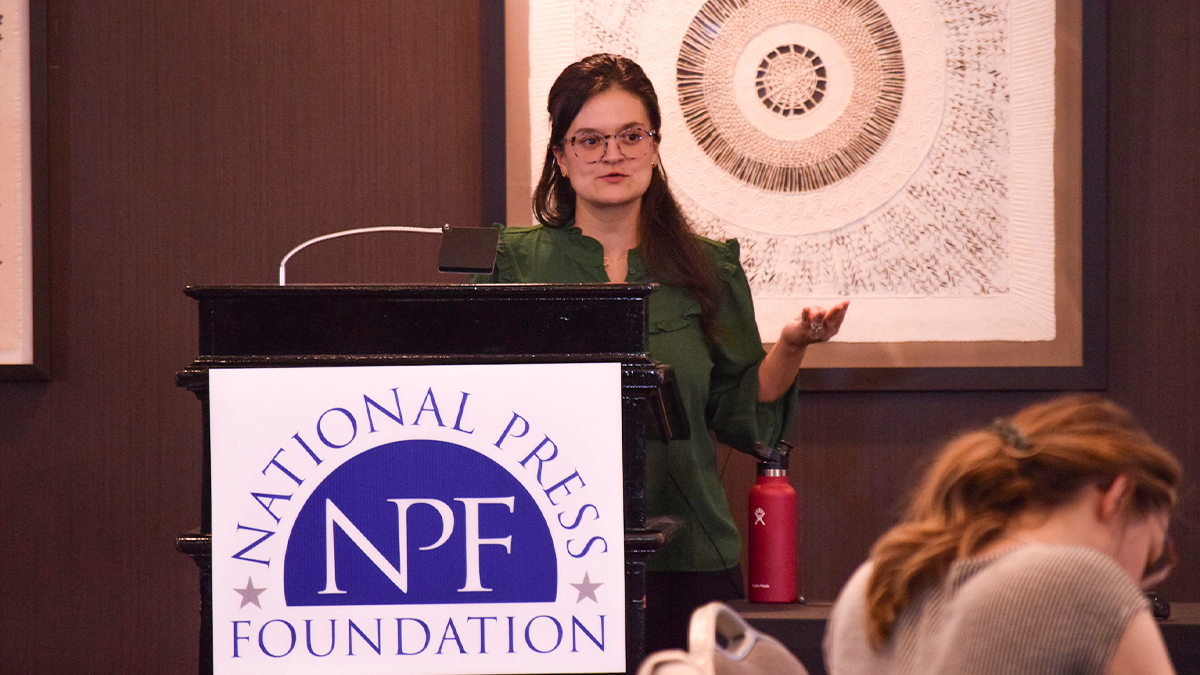
In the last few decades, labor educators like Jennifer Sherer have analyzed child labor issues in other countries. Now, in her work at the Economic Policy Institute, she has been forced to refocus on domestic issues. Proposed legislation rolling back child labor laws “is an emerging and really accelerating trend,” Sherer told Future of the American Child fellows in Cleveland. “This question of how we will or whether we should regulate child labor has never been settled.” [ Transcript | Video ]
5 takeaways:
➀ Youth who want to work can work.
The unemployment rate for workers aged 16-24 is at a historic low. “There don’t particularly seem to be a lot of barriers to employment right now in our labor market for young people,” Sherer said. Thus, relaxing child labor laws seems like “a solution that is not being motivated by a real problem.” When children are not working, they’re usually in school, especially high school and post-secondary education, according to current population survey responses.
➁ Historically, child labor laws have been imbalanced.
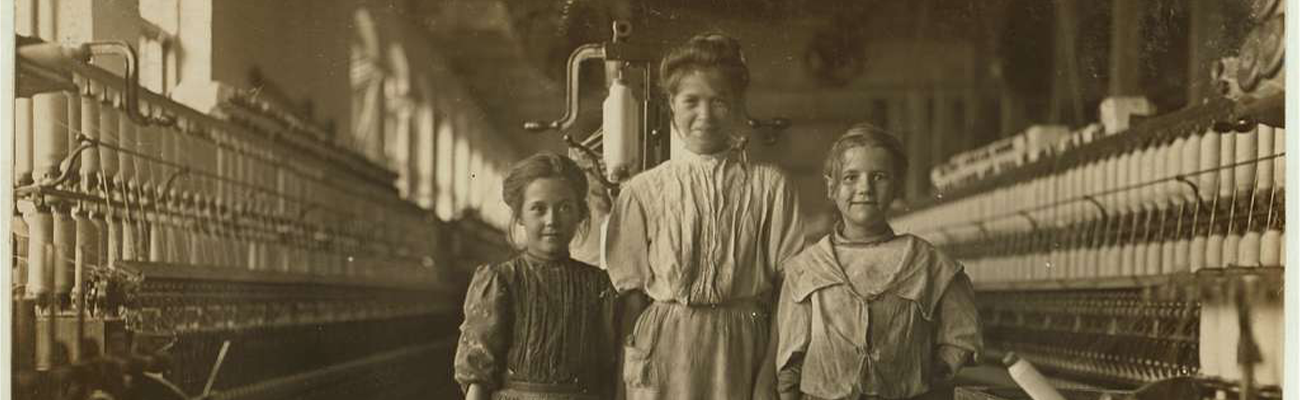
The foundational law regulating child labor, the Fair Labor Standards Act of 1938, omitted the agricultural and domestic sectors. These industries primarily employed Black and brown workers, and still do. Black and brown children historically have been “more likely to be employed in exploitative or hazardous conditions,” Sherer said. However, photos of white child laborers have historically inspired more widespread action. “Child labor is a topic that touches on a lot of other subjects,” she said, and is connected inevitably to immigration policy—and to racism.
➂ When children do work, they often receive low wages.
The Fair Labor Standards Act sets a federal minimum wage, but children can earn below minimum wage for their first 90 days of employment. “There’s the economic benefit on the one hand of income at a young age from a job,” Sherer said. “But there’s also potentially really significant long-term economic harm of long hours of low wage work at a young age that is not setting up young people for career success.”
Different states have different policies, both for child labor and for minimum wage. State policies can improve upon the federal standard, but the federal government “sets a floor.” It’s “a very complex and sometimes confusing patchwork,” Sherer said.
➃ Who is responsible?
Groups like the National Restaurant Association and the National Federation of Independent Business have advocated for the weakening of child labor laws. Construction groups sometimes push for increased child labor, but for hazardous jobs, insurance for liability coverage outweighs the benefit of employing minors.
Large companies sometimes lack strong accountability mechanisms for child labor. Staffing agencies, temp agencies and franchises may employ minors, but the large company may be able to claim ignorance.
➄ Child labor and access to education go hand in hand.
Sherer hopes more journalists will analyze the interplay between public education and how child labor policy has been developed and regulated. “The debates that legislatures are having at the state level right now are unavoidably also wrapped up often in parallel debates that they are having about the future of their public education systems, the funding for those systems, how robust access will be, and whether parts of those systems are going to begin to be privatized, so those things are unavoidably linked,” she said.
This fellowship is funded by the David and Lucile Packard Foundation, the W.K. Kellogg Foundation and the Heising-Simons Foundation. NPF is solely responsible for programming and content.