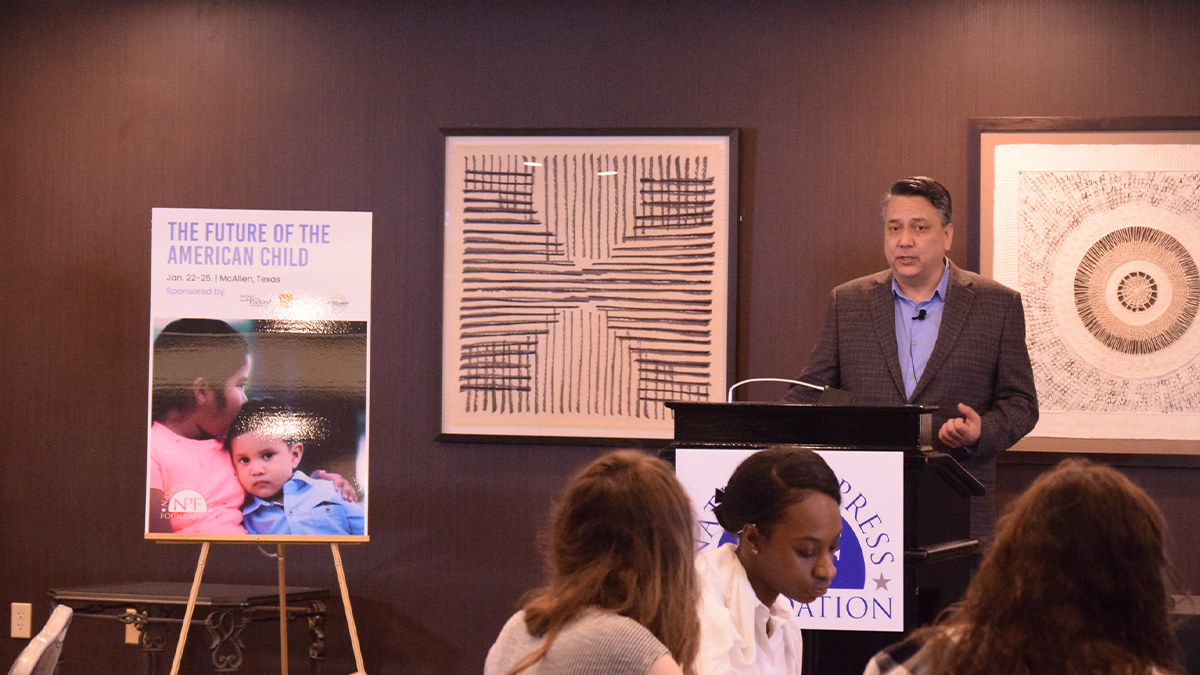
Statistics show that youth arrests have fallen nationally by 74% since 1997. However, “We still have an over-incarceration problem,” Ruth Rosenthal, the senior manager of The Pew Charitable Trusts’ safety and justice portfolio said. And public perception of youth crime grows more negative with each passing year. Rosenthal and Christina Quaranta, executive director of the Connecticut Justice Alliance, helped NPF fellows in McAllen understand the data about youth crime and incarceration and advised journalists on how to report on solutions. [Transcript | Video]
5 takeaways:
➀ Teachers rely on law enforcement for classroom management, which causes youth over-policing. Teachers often must manage crowded classrooms of between 30 and 35 children without adequate support. However, the school resource officers who are placed in classrooms tend to over-arrest children with disabilities, children of color and children who identify as LGBTQ+. “They’re not offering the sense of safety that one may think they are,” Quaranta said.
Some cities, such as Boston, have removed police from schools. “A lot of the answers were improving culture and climate in the school,” Quaranta said. She said bringing in people who look like the children at a given school and have shared experiences can help students solve their issues without introducing the punitive justice system.
➁ Zero-tolerance policies can also lead to over-reporting child misconduct, forcing them into the justice system early, Rosenthal said. Some states pose criminal liabilities on school administrators which require them to report misbehavior. When the legislation is unclear, administrators either over-report instances of misconduct, or they use the legislation unfairly. “Schools often see themselves as disconnected from the juvenile justice system,” Rosenthal said.” As a result, teachers, administrators, law enforcement and the justice system pass the responsibility of caring for children between one another. “For some reason, that is almost never the community,” Rosenthal said.
➂ Start with national data, then zoom in to the state level. National data can answer questions on whether juvenile justice cases are declining for a particular racial or ethnic group. “But then, there’s a lot more digging to do at the state level and at the local level to better understand what these trends look like,” Rosenthal said.
➃ Juvenile justice comes at a high price. Costs can range between $50,000 and $200,000 annually to place one child in a juvenile justice facility. Legislators sometimes approve juvenile justice facilities because they create employment opportunities.
When children are severely punished, they often commit more crimes in the future. “The punitive approach to responding to youth behavior is actually counterproductive,” Rosenthal said. “Even for kids who are engaging in these serious, violent behaviors.”
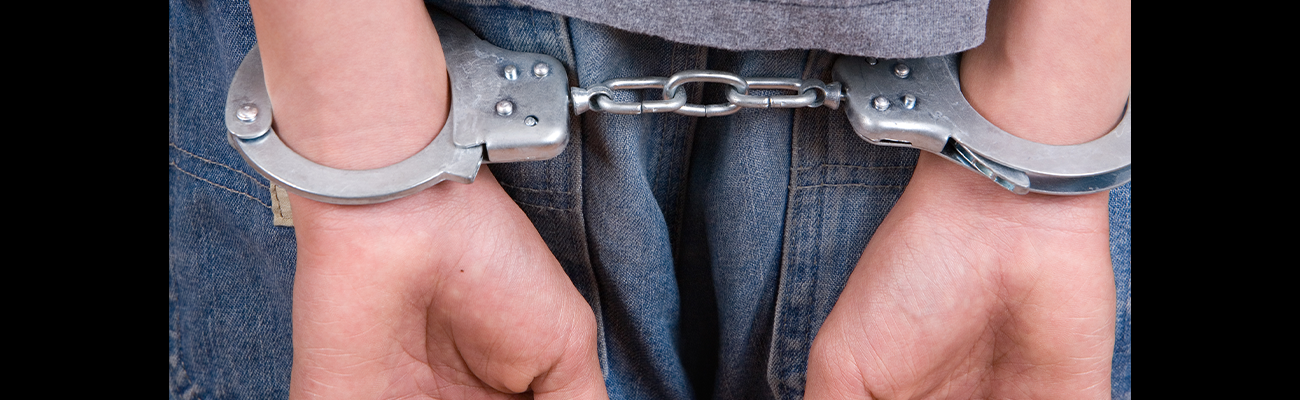
➄ Strategies that foster empathy and awareness are more effective. Programs that focus on holding youth accountable for their actions often fail, Quaranta said. “A person has to hold themselves accountable. The myth of you being able to hold someone accountable is why we are where we are in terms of mass incarceration, also for other reasons. That’s why people leave prison detention, leave the handcuffs and go right back and do what they did, for other reasons obviously too, but that punishment is not teaching this necessary skill. It’s not addressing the root issue
Instead, Quaranta points to initiatives that focus on “restorative justice.” She says young people have told her, “ ‘Christina, having to talk to somebody about what I did wrong to them or to the community is way harder than any length of time I could be serving somewhere. Having to repair that damage is a lot more work.’ It’s more effective in terms of healing what happened and being able to move on.”
This program was sponsored by the David and Lucile Packard Foundation, the W.K. Kellogg Foundation and the Heising-Simons Foundation. NPF is solely responsible for the content.