5 takeaways:
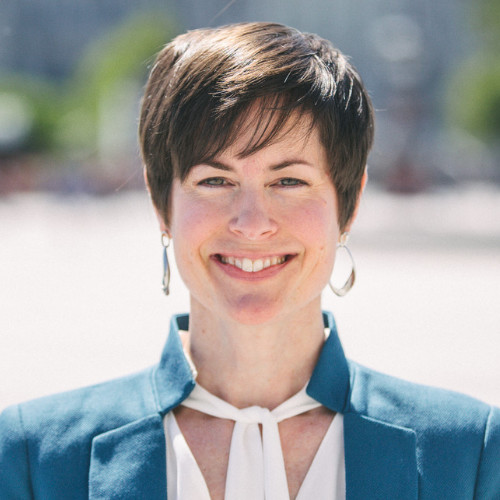
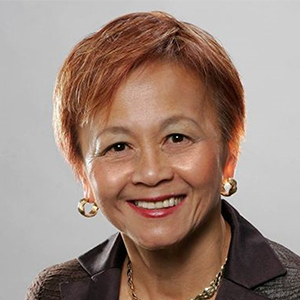
➀ Journalists shape public perceptions of rare diseases. Britta Dornan, the Senior Director of Communications and Marketing with the EveryLife Foundation for Rare Diseases, said journalists should put humans at the center of their reporting and be mindful that their stories create pressure to fund research and treatment. Durhane Wong-Rieger, the president and CEO of the Canadian Organization for Rare Disorders, told the story of how only one journalist from The Globe and Mail showed up for a press conference they held about hemophilia. But that one reporter made a difference. “It went from being this an issue that nobody knew about to being a front-page issue,” Wong-Rieger said. [Transcript 1 | Transcript 2 | Video 1 | Video 2]
➁ Educated patient communities are driving change. Forty years ago, a celebrity whose sister had a rare disease volunteered to advocate on Capitol Hill to help pass the Orphan Drug Act, which provides a seven-year market exclusivity and up to 50% tax credit for research and development expenses. This law has enabled more than 600 drugs and biologics for rare diseases to come to market since 1983, compared to fewer than 10 that came to the market in the decade prior to the ODA. “In the years that have followed the Orphan Drug Act passage, we have witnessed patient advocacy rise to a level in the United States never before seen,” Dornan said.
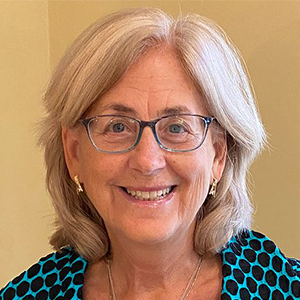
➂ Genetic counselors can help empower patients, but there aren’t enough of them. There are just over 5,000 genetic counselors in the United States, insufficient to educate all of the patients and families who need to learn about genetic diseases and help them process that information, said Barbara Biesecker, a distinguished fellow in the Genomics, Bioinformatics and Translation Center at the Research Triangle Institute (RTI) International.” Over time, genomics is going to move out into mainstream medicine and physicians, nurses and social workers will be involved in this work,” Biesecker said.
➃ There’s no one-size fits all approach for counseling. When communicating genetic research with families and patients, Biesecker strongly prefers the counseling model versus an analytical approach. The teaching model fails to take advantage of learning who the person is, what they already know and what they’ve already done. Instead, it’s best to try and understand the individual, “What are his or her circumstances? What does he or she think about them and how is he or she feeling about it?” Biesecker said. “What we want to do is promote a greater sense of control that begins by facilitating the opportunity for the client to have control over the genetic counseling session.”
➄ Respect and appreciation go a long way with rare disease patients and families. When interviewing individuals with a rare disease, Biesecker said journalists should clearly articulate their intentions. “Learn whether there are questions the person prefers not to answer. Are there any limits to the interview?” she said. Keeping communication strong throughout the entire process is a good way to ensure trust. Christine Mutena, the co-founder of Rare Disorders Kenya, suggested that journalists highlight the role that stigma plays and report on that. This can help humanize and normalize rare disease patients.
This program was sponsored by Fondation Ipsen. NPF is solely responsible for the content.



 Reload document
 Open in new tab