
5 takeaways:
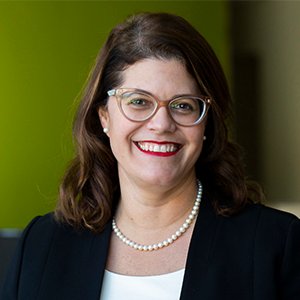
➀ Promote news literacy. It’s important to explain what we do as journalists. Teresa Frontado, executive editor at KUT, said she frequently runs into people that don’t understand why journalists make the decisions we do. Be on the lookout for ways to check, contextualize and explain information. Frontado suggests Twitter threads as an effective way to contextualize and explain things because a single Tweet that may get retweeted is tied to the entire thread. She also recommends repeating the information we share because “not everybody sees what you post when you post it.” Since we live in a constantly moving feed and what “we see on social media is mediated by an algorithm,” it’s okay to repeat ourselves to make sure our audience gets the facts. [Transcript]
➁ The power of pause. Taking a pause can help fight misinformation and disinformation. “Stop before you retweet. Stop before you go chasing after the latest rumor. Stop and go through who’s posting this,” Frontado said. Always check to see if the information is true — whether it means looking closely at an account or calling up a source. “We’re in journalism because we like to look at things, right? And we like to know why and how … you’re here because you have all those skills. So, use a search tool.”
➂ Protect yourself. It’s extremely important to protect yourself online. “It’s a zoo out there, especially for women of color,” Frontado said. Separate your personal and professional life online. For instance, Frontado keeps her Twitter and LinkedIn professional, but posts about her personal life — like her children — on her private Facebook and Instagram accounts. Protect your accounts by turning on two-factor verification and using a password manager.
➃ Don’t engage with trolls. Document attacks by trolls if necessary. Frontado shared a decision tree published by Troll Busters that helps journalists identify if they are being harassed online. Mute or block accounts when you feel like that is the best option. Go offline if you need to. “My only exception to the ‘don’t engage with trolls’ rule is there are some instances where you can be an ally,” Frontado said. Digital allies are important, so if you’re able to safely have your colleague’s back, Frontado recommends doing so.
➄ Know who you’re reaching. Not everyone is your audience. Identifying who your audience helps you know what you are going to drill down on, what is a priority and what platforms to use. Data is your friend, Frontado said. Demographic data should be used to help inform your decisions to prevent your own bias from blocking what’s best for the community. Having conversations is also important. She suggested doing coffee hours, listening sessions or just showing out to community meetings. Regarding platforms, it’s important to know where your audience is. “Customize your stories or what you’re trying to do to the platform.”
The Statehouse Reporting Fellowship is sponsored by Arnold Ventures. NPF is solely responsible for the content.


 Reload document
 Open in new tab