5 takeaways:
➀ The pandemic has been called “the greatest criminological experiment in history.” That may be a hyperbole, but there have been dramatic changes in crime trends that defy simplistic explanations, said Richard Rosenfeld, former president of the American Society of Criminology. Rosenfeld urged journalists to dig into the latest data and distinguish carefully gun violence, which has soared during the pandemic, and other types of crime, such as burglary, robbery, and drug offenses, which fell during the first three quarters of 2021 compared to the same period in 2020. And he warned reporters to probe the reliability of different types of data. For example, official statistics show a negligible increase in domestic violence reports during the pandemic – but that’s because victims or neighbors must report it. “If victims are sequestered with their abusers, they’re probably much less likely able to report an instance of domestic violence to the police,” Rosenfeld said.
➁ Other countries did not see a crime hike, and there are six leading theories about why the United States did. These are not mutually exclusive, Rosenfeld said. The first explanation is that people changed their routine activities. They stayed home, so residential robberies were down sharply. Shops were closed, so there was no shoplifting. But they left their cars at home or on the street, instead of driving them to workplaces, which might explain why motor vehicle thefts rose. The second theory is “de-policing,” also known as the “Ferguson effect:” that police demoralized by protests against police violence stopped vigorous enforcement and the face-to-face contact that can help curb crime. That might explain a drop in enforcement of petty offenses – notably, arrests the police didn’t bother to make for low-level drug offenses or petty crimes like drunk and disorderly conduct. The de-policing theory doesn’t explain the rise in murder, Rosenfeld said, because although police were observing quarantines and social distancing, they “were not pulling back that much from investigating homicides,” he said. Moreover, most police departments are chronically demoralized and faced hostility from some communities long before the pandemic.
➂ Lack of perceived legitimacy of police may explain part of the “why” for the rise in violence and homicides. “Police legitimacy, especially in disadvantaged communities of color in our cities, always somewhat fraught, plummets,” Rosenfeld said. And with a decline in confidence and trust in the police, “one gets fewer people willing to cooperate with the police and investigations, fewer people willing to call the police when they have knowledge of the crime, more people taking matters into their own hands to settle disputes sometimes with violence.” Police have seized more guns from the streets during the pandemic, and drug overdoses soared, but it’s not clear that those were driving factors, he added.
➃ Bail reform hasn’t changed crime rates. Studies have clearly debunked the argument that COVID-related releases from jail or bail reform meant fewer people were in jail after having been arrested for a crime, and that once out, they committed new crimes, Rosenfeld said. “That argument is quite widespread,” he said. One hears it, continues to hear it from police departments in particular. And yet there’s very, very little systematic evidence for it, and quite a bit of evidence contrary to that idea.”
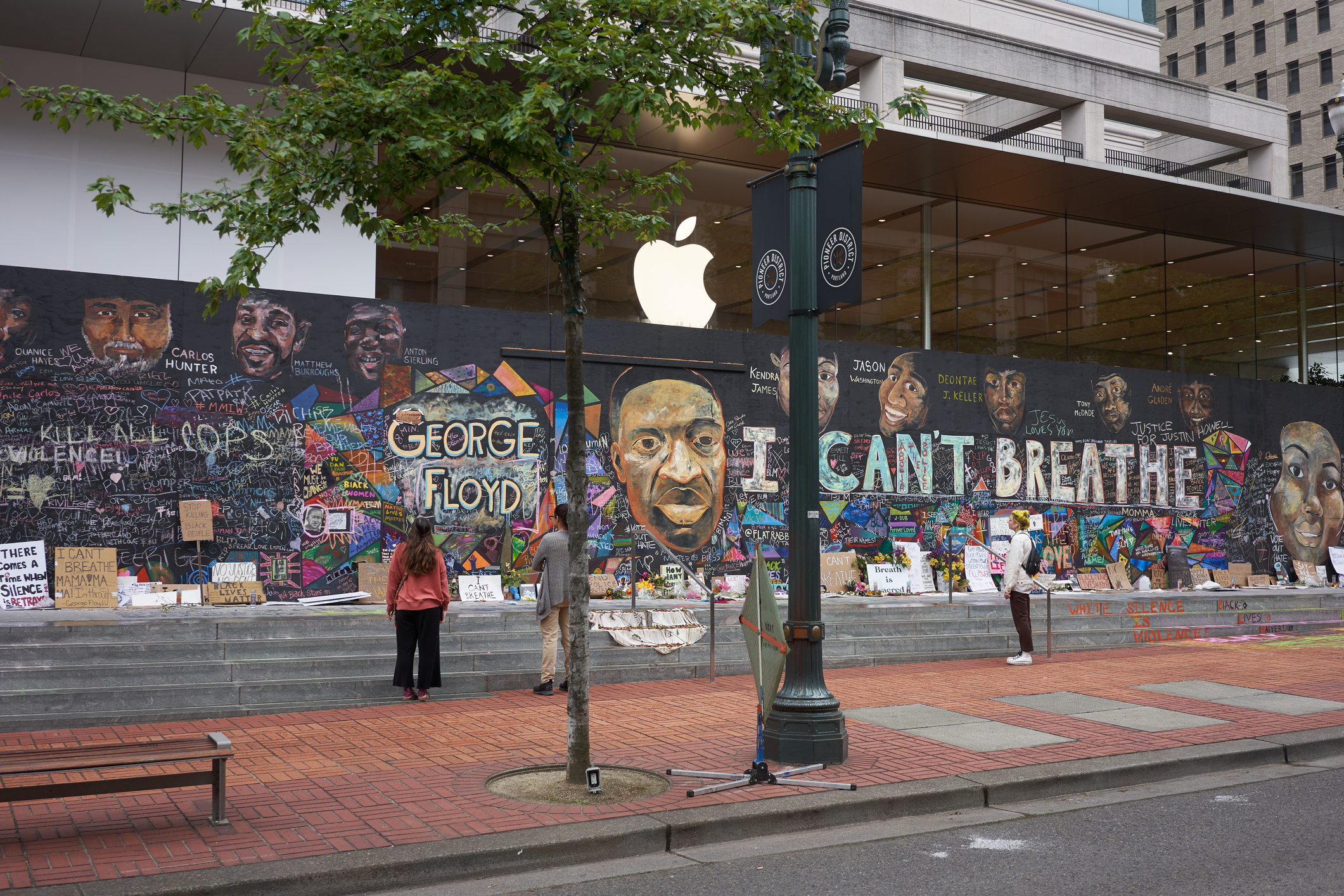
➄ Stress, strain, anger and frustration could explain the hike in violence. “But keep in mind the big rise we see in homicide, doesn’t begin during the first months of the pandemic,” Rosenfeld warned. The biggest spike was during the last week of May in 2020— the week George Floyd was murdered—and protests erupted around the nation. Black Lives Matter protests generated counter-protests by right-wing groups and more violence. “I don’t want to suggest that there’s a hard and fast causal connection between the protest activity and the homicide rise,” Rosenfeld said. “I’m simply intrigued by the correspondence in time between the two.”
Speaker:
Richard Rosenfeld, Curator’s Distinguished Professor Emeritus of Criminology and Criminal Justice, University of Missouri, St. Louis
This program was funded by Arnold Ventures. NPF is solely responsible for the content.